https://mysticalmomworld.com/why-modern-parenting-feels-heavier-than-ever-before/Teaching Kids Gratitude in a World That Wants More
Modern parenting feels like walking on a tightrope. Children today grow up in a world filled with choices, screens, advertisements, endless desires, and constant comparison. Everything around them says, “You need more to be happy.”
But deep down, we know the truth — happiness doesn’t come from having more. It comes from appreciating what you already have.
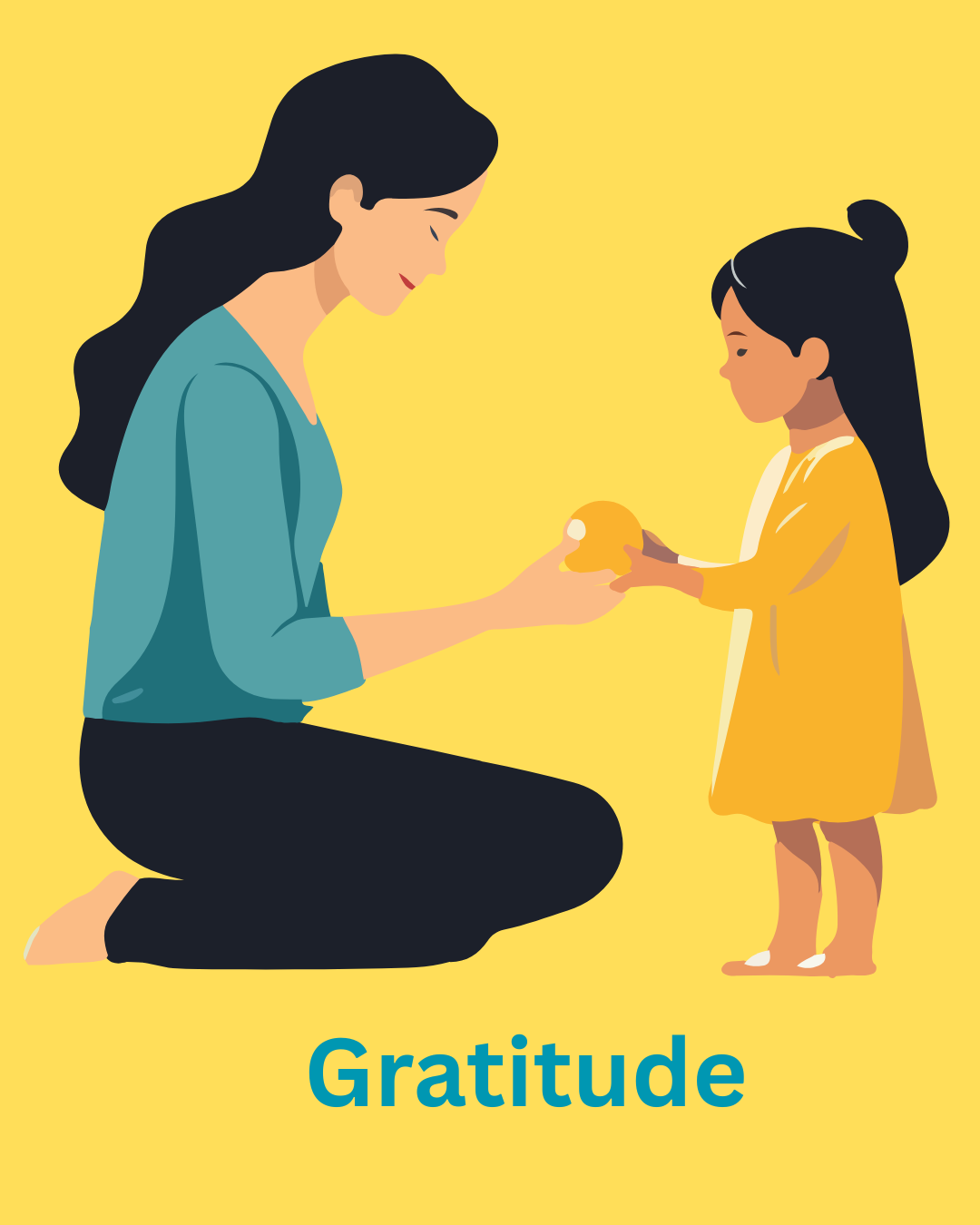
Gratitude is a skill, a mindset, a habit, and a value that can shape a child’s entire life. It builds emotional strength, reduces anxiety, improves relationships, and teaches kids to find joy in simple things.
But how do we teach gratitude in a world that constantly pushes children to want more?
This blog explores practical, gentle, and powerful ways to raise grateful, grounded, and emotionally aware kids.
1. Why Gratitude Matters More Than Ever
Today’s generation faces challenges we never imagined:
-
Constant comparison through social media
-
Endless advertisements targeting children
-
Peer pressure at school
-
Fast, instant, and disposable lifestyles
-
Short attention spans
-
Emotional overwhelm
Gratitude acts like an anchor.
It teaches kids to pause, reflect, appreciate, and feel content.
Psychologists say grateful kids are:
-
More confident
-
Less stressed
-
Kinder
-
Better at relationships
-
More emotionally stable
-
Less likely to throw tantrums over small things
Gratitude doesn’t make life perfect.
It simply makes life peaceful.
2. Kids Learn Gratitude by Watching, Not Listening
Children absorb what they see more than what they’re told.
If we constantly complain, compare, or express dissatisfaction, they learn the same.
If we pause, smile, and appreciate, they copy that too.
Try modelling simple gratitude behaviors like:
-
Saying “I’m thankful for this meal.”
-
Showing appreciation to helpers, workers, teachers.
-
Pausing to admire nature.
-
Expressing gratitude for small things, not just gifts.
When kids see gratitude in action, they understand it naturally.
3. Slow Down Their Life — Just a Little
Kids today are overstimulated — devices, games, videos, busy schedules.
This constant “rush” reduces their ability to notice joy in little things.
Slow life down with simple practices:
-
Unplug for one hour a day
-
Encourage outdoor play
-
Keep certain days free of activities
-
Allow them to experience boredom
-
Encourage creative play instead of gadgets
Stillness gives children room to feel, observe, and appreciate.
4. Teach Kids to Name Their Blessings
Most children know what they want, but not what they have.
Shift that mindset by asking gentle questions:
-
“What made you smile today?”
-
“Who helped you today?”
-
“What is something you feel lucky to have?”
-
“What did you enjoy the most today?”
This simple practice helps kids recognize small joys like:
-
Warm food
-
A cozy bed
-
A hug
-
A friend
-
A sunny morning
Awareness is the first step to gratitude.
5. Create a Gratitude Ritual at Home
Kids love rituals because they make everything feel special.
You can choose any one (or more):
Gratitude Jar
Every night, each family member drops one note about something they’re grateful for.
3 Good Things Before Bed
Say three good things that happened that day — even small ones.
Weekly Gratitude Walk
Take a walk and notice nature, the sky, trees, birds, fresh air.
Thank You Time at Dinner
Everyone thanks another family member for something they did that day.
Little rituals create lifelong habits.
6. Teach Them to Appreciate Effort, Not Just Objects
Kids often see only the end product — food, toys, clothes, school bags.
They rarely see the effort behind it.
Explain gently:
-
Who grows the food
-
Who cooks it
-
Who stitches their clothes
-
Who drives the bus
-
Who cleaned the park
-
Who made their toys
Once kids understand effort, they value things and people differently.
Gratitude grows naturally.
7. Let Kids Experience “Not Getting Everything”
Gratitude dies when everything comes too easily.
It grows when children learn patience, waiting, and earning.
You can teach this by:
-
Having a simple reward system
-
Setting boundaries on toys
-
Delaying instant gratification
-
Encouraging them to save
-
Letting them work for small treats
Kids don’t become grateful by receiving more.
They become grateful by understanding the meaning of what they receive.
8. Encourage Helping Others
Gratitude flourishes when kids see life from different perspectives.
Simple activities like:
-
Donating old toys or clothes
-
Feeding stray animals
-
Helping a friend
-
Making handmade cards for teachers
-
Sharing snacks at school
-
Helping younger siblings
Teach empathy, kindness, and appreciation for what they have.
Children who help others naturally become more thankful.
9. Teach Them the Language of Gratitude
Kids often feel gratitude but don’t know how to express it.
Give them simple words and sentences like:
-
“Thank you for helping me.”
-
“I appreciate this.”
-
“This means a lot to me.”
-
“I’m grateful for you.”
-
“I love how this makes me feel.”
Teaching them these phrases builds emotional intelligence.
10. Celebrate Small Acts of Thankfulness
Whenever your child shows gratitude, acknowledge it warmly:
-
“I’m proud of you for sharing.”
-
“That was really kind of you.”
-
“You thanked her so nicely.”
-
“You noticed something beautiful — I love that.”
Positive reinforcement makes kids repeat grateful behavior.
Conclusion
Teaching kids gratitude in today’s fast, demanding world is one of the greatest gifts a parent can give.
It shapes them into kind, confident, emotionally strong, and mindful individuals who don’t chase happiness — they create it.
Remember, gratitude is not a lesson taught in one day.
It’s a gentle, daily practice.
It’s the way we live, speak, behave, and appreciate life.
When kids learn gratitude, they learn peace.
And when they learn peace, they carry it with them for a lifetime.