

https://mysticalmomworld.com/invisible-load-on-women-why-it-causes-daily-mental-exhaustion/When You Start Parenting Your Own Parents: The Emotional Shift No One Talks About
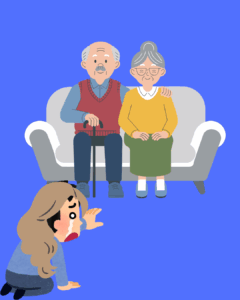

There comes a time in life when roles quietly reverse. Without any announcement, without any warning, and without any formal training, you suddenly find yourself parenting your parents. It’s not an experience anyone prepares you for. There is no school chapter, no family lesson, no cultural system that teaches you what to do when the people who once held your hands must now be held by you.
This emotional shift is deep, heavy, and often invisible. Yet it happens in almost every family. If you’re going through it, you’re not alone.
The Moment You Realize the Shift Has Begun
It doesn’t happen in one dramatic moment.
It happens in small, almost unnoticeable ways:
-
When you start calling them to check if they reached home safely.
-
When you begin reminding them about medicines.
-
When their anger suddenly feels childlike instead of intimidating.
-
When you start explaining things with patience they once used on you.
-
When you hide your stress because you know they can’t handle it anymore.
And slowly, you understand:
You’re not just their child anymore.
You are slowly parenting your parents.
It’s emotional and confusing—because you still see them as the strong pillars you grew up with, even when their strength is fading.
The Emotional Weight of Becoming the Caregiver
Becoming the emotional anchor for your parents is heavy. It comes with:
Hidden Responsibilities
From doctor appointments to daily decisions, you start becoming the person who makes things stable. Even when you’re overwhelmed yourself, you show strength because they depend on you now.
Silent Guilt
There’s guilt for feeling irritated.
There’s guilt for not doing enough.
There’s guilt for wanting a break.
There’s guilt for feeling tired.
No one talks about this guilt, but it’s real for everyone who is parenting their parents.
Emotional Confusion
You still want to be their child. You want to be protected, guided, and held. But instead, you’re the one doing all of it for them. The emotional shift is complex—because you’re stepping into a role your heart is not fully ready for.
Why This Transition Hurts More Than We Admit
We don’t talk about it because it feels uncomfortable.
We don’t tell our friends because they won’t understand until they experience it.
We don’t share with our family because everyone is struggling in their own ways.
The pain comes from watching the strongest people in your life change. The father who never forgot a thing now forgets dates. The mother who always pushed you to eat now forgets to eat herself. The parents who once walked ahead of you now walk slowly behind you.
This shift is not just practical.
It is emotional.
It is spiritual.
It is heartbreaking.
Learning Patience All Over Again
When your parents age, they sometimes act like children—stubborn, emotional, sensitive, or scared. And you realize this is how they once felt while raising you. Now it’s your turn to offer the same patience.
You learn:
-
To speak softly
-
To explain gently
-
To avoid arguments
-
To keep them emotionally safe
-
To accept their new limitations
It’s humbling. It’s grounding. It teaches you unconditional love in a new form.
The Balancing Act Nobody Teaches You
The transition becomes even harder when you’re managing:
-
Your house
-
Your children
-
Your career
-
Your marriage
-
Your own emotions
And in between all this, you’re also parenting your parents.
You’re the bridge between generations—holding everything together while trying not to break yourself. The emotional exhaustion is real, but so is the strength that slowly grows in you.
The Beauty Hidden in This Difficult Phase
Yes, it is overwhelming.
Yes, it is tiring.
Yes, it feels like too much.
But it is also one of the purest forms of love.
You start seeing sides of your parents you never noticed before—fragile, emotional, human. You begin understanding their fears, their regrets, their dreams, their insecurities. You connect with them at a deeper level than ever before.
This stage teaches you gratitude.
It teaches you forgiveness.
It teaches you compassion.
It teaches you maturity.
It teaches you that life truly completes its circle.
How to Emotionally Handle Parenting Your Parents
1. Accept the Shift
Acceptance makes the journey lighter. The sooner you understand that this is a natural phase of life, the easier it becomes to carry the responsibility.
2. Share Responsibility if Possible
If you have siblings or extended family, divide tasks. You don’t have to carry everything alone.
3. Set Emotional Boundaries
Loving them doesn’t mean losing yourself. Protect your mental space too.
4. Ask for Help Without Shame
Therapy, support groups, or even talking to friends can reduce the pressure.
5. Celebrate Small Moments
Their smile, their stories, their presence—these are treasures you’ll cherish later.
In the End, Love Always Comes Full Circle
No matter how difficult this phase feels, it is also sacred.
It is love returning to its source.
It is care coming back to the birth place.
It is the circle of life completing with grace.
When you’re parenting your parents, you’re not just fulfilling a responsibility. You’re honoring their sacrifices. You’re showing gratitude. You’re giving back the love you received for decades.
And someday, when you look back, you’ll realize this was one of the most meaningful chapters of your life.