83. When Emotions Burst Out: Understanding Why We Lose Control Sometimes

When Emotions Burst Out: Understanding Why We Lose Control Sometimes
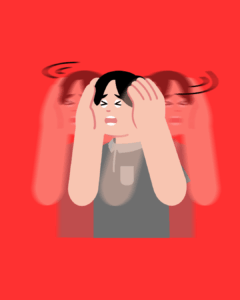
There are days when the smallest thing can break us. One moment we are holding everything together, and the next moment our emotions burst out like a dam giving way after years of pressure. Many people feel ashamed when they lose control over their emotions, but the truth is simple: it happens to everyone, especially to the ones who carry too much silently.

Yesterday was one of those days for me. I felt something inside me snap — not in a dramatic way, but in a very human way. My eyes filled up, my chest tightened, and I couldn’t hold it anymore. I let go. I burst out. And the first question that came to my mind was: Why? Why did I lose control? What exactly triggered me?

Sometimes the reasons are not one single thing. Sometimes it is a whole collection of unspoken emotions, unexpressed exhaustion, hormonal fluctuations, expectations, responsibilities, relationships, and even natural cycles like the new moon energy. When all of these layers pile up, it is only natural for a person to feel overwhelmed.

Let’s break down what might actually cause such emotional outbursts and how completely normal it is to experience them.

1. PMS and Emotional Sensitivity

For many women, PMS (Premenstrual Syndrome) is not just a physical experience. It affects emotions, thoughts, reactions, and sensitivity levels.
Hormonal changes can cause:

  • sudden sadness

  • irritability

  • emotional flooding

  • feeling unappreciated

  • feeling disconnected

  • unexplained anger or tears

During PMS, the emotional tolerance tank becomes very small. Something that feels manageable on any other day might feel like a storm during this time. Losing control over emotions is a very real and very common PMS symptom.

And no — it doesn’t mean you’re overreacting. It means your body is going through a chemical shift that impacts your emotional strength.

2. Tired Schedules and Emotional Burnout

Sometimes, the reason we break down has nothing to do with hormones. It has everything to do with exhaustion.

We carry so many roles — parent, partner, daughter-in-law, professional, caretaker, homemaker, emotional support system for everyone around us. When life becomes a tight schedule with no pause, no space, and no time to breathe, emotional burnout becomes inevitable.

You might think you’re strong enough to handle it all, but your body knows better. Your emotions know better. When the body and mind reach their limit, they release the emotions you’ve been suppressing.

Because tears are not a weakness.
They are an overflow.

Burnout is real, and emotional outbursts are often a sign that you have been running on empty for too long.

3. Emotional Stress from Relationships and Joint Family Dynamics

Joint families are beautiful — but they also come with responsibilities, expectations, opinions, and emotional pressures.

Sometimes you feel judged.
Sometimes you feel misunderstood.
Sometimes you feel invisible.
Sometimes you feel too seen.

There is always something happening around you, and you rarely get a quiet emotional space to understand your own feelings. When you constantly adjust, compromise, smile, and stay strong in front of everyone, the emotional load silently keeps increasing.

Small moments that normally wouldn’t bother you can feel huge when you’re already carrying old hurt, unresolved stress, or unspoken pain. Emotional outbursts in such situations are not unusual; they are a sign of emotional overload.

4. The New Moon’s Emotional Effect

Many people notice that their emotions peak during the new moon. Though science is still exploring the connection, countless individuals report feeling:

  • unusually emotional

  • introspective

  • drained

  • mentally sensitive

  • anxious or overwhelmed

The new moon often brings inner emotional cleansing. It is a period where hidden thoughts and suppressed feelings rise to the surface. So yes, if you felt unusually emotional, the new moon phase might have contributed to your outburst.

Sometimes nature works with us and sometimes against us. And that’s okay.

5. When Everything Comes Together at Once

Most emotional outbursts don’t come from one problem.
They come from many things piling up silently.

Imagine holding ten bags at once.
Each bag alone is manageable.
But when all ten stack together, anyone would collapse.

Your emotional outburst might have happened because:

  • PMS lowered your emotional threshold

  • A tired schedule made you mentally exhausted

  • Joint family dynamics added emotional weight

  • Relationship stress increased your sensitivity

  • New moon energy intensified your emotions

When so many layers combine, losing control isn’t surprising — it’s normal.

6. You Are Not Weak. You Are Human.

The world teaches us how to be strong, but it never teaches us how to break.
But breaking is a part of being human.

Your emotional outburst was not a failure.
It was not a sign of weakness.
It was not something to feel guilty about.

It was your mind’s way of saying:
“You’ve been holding too much. Let me help you release some of it.”

Emotions need expression. Tears are cleansing.
If you burst out, it means your system trusted you enough to let everything out.

7. What You Can Do After an Emotional Breakdown

1. Acknowledge it without guilt

Say to yourself: I had a moment. That’s okay.

2. Identify what triggered you

Not to blame yourself, but to understand your emotional patterns.

3. Rest

Your body and mind need recovery after emotional overflow.

4. Reduce your load

Even small changes can help — say no when needed, ask for help, take breaks.

5. Talk to someone safe

Sharing feelings lightens emotional pressure.

6. Ground yourself

A walk, a bath, meditation, journaling — anything that brings you back to yourself.

Final Thought: It’s Okay to Feel Too Much

Losing control over emotions does not make you unstable.
It makes you emotionally alive.

Whether it was PMS, exhaustion, emotional stress, joint family issues, or the new moon — what matters is that you survived the moment, and today you’re reflecting on it with clarity.

Be gentle with yourself.
Your emotions are valid.
Your journey is real.
And you’re doing better than you think.

https://mysticalmomworld.com/when-life-takes-unexpected-turns-staying-strong-when-everything-feels-uncertain/

82. When Nothing Falls in Place: How to Stay Strong When Life Feels Difficult With Kids

When Nothing Falls in Place: How to Stay Strong When Life Feels Difficult With Kids

There are days when life feels impossibly heavy. Days when you wake up already tired, when nothing seems to fall in place, when you look at your kids and wonder why everything feels so overwhelming. You try to give them the best, you try to keep the home running, you try to keep your emotions steady—but still, things slip, chaos returns, and your heart feels stretched beyond its limits.

If you are going through a phase where life feels difficult with kids, you are not alone. Parenting is beautiful, yes, but it is also one of the most emotionally demanding journeys a human can experience. This blog is a reminder that your feelings are valid, your struggles are real, and you are doing better than you think.

Let’s explore why these phases happen, how to stay emotionally stable, and how to create small shifts that lead to big changes.

Why Life Feels Difficult When Everything Seems Out of Place

Every parent experiences a time when nothing feels aligned. Maybe your kids are going through emotional highs, tantrums, or stubborn phases. Maybe your home feels disorganized no matter how much you try. Maybe your personal life—career, finances, goals—feels paused because parenting takes up every corner of your mind.

There are a few reasons this feeling becomes intense:

1. Emotional overload

Kids carry unpredictable emotions. When their moods shift constantly, your internal balance shakes. You may feel like you’re never doing enough.

2. Lack of personal time

When you continuously pour into your kids without refilling yourself, life begins to feel heavier.

3. Expectations vs. reality

Parents imagine a certain life with kids—peaceful, loving, organized. But real life is messy and loud, and this gap creates frustration.

4. Silent sacrifices

You give up sleep, hobbies, dreams, outings, and mental space. These sacrifices accumulate and create emotional fatigue.

It’s Not Just You—Every Parent Goes Through Difficult Seasons

Every phase of parenting comes with unique challenges:

  • When kids are toddlers, their demands drain you.

  • When they grow older, their emotional needs become complex.

  • When they become teenagers, misunderstandings and friction rise.

Each stage is beautiful. Each stage is hard.

The problem starts when parents suffer in silence, thinking others are doing better. But behind every smiling family photo lies a story of tired parents holding everything together.

You are not failing. You are simply going through a season of growth—yours and your children’s.

How to Stay Strong When Life Feels Difficult With Kids

Here are gentle, practical steps that bring emotional clarity and balance.

1. Accept That You Cannot Control Everything

This is the hardest truth for parents:
You cannot make everything perfect.

Kids will be messy.
Days will be chaotic.
Plans will fall apart.

When you release the pressure of perfection, your mind breathes again.

2. Remember That This Phase Is Temporary

Every difficult season eventually becomes a memory.
The tantrums, the sleepless nights, the frustration—they don’t last forever.

Sometimes parents panic because they feel:

“Is this how my life will always be?”

No. This is just a chapter, not your whole story.

3. Talk to Your Kids—They Understand More Than You Think

Kids may not understand adulthood, but they do understand emotions.
If they are old enough to speak, they are old enough to understand:

  • “I am feeling tired today.”

  • “I need five minutes to breathe.”

  • “Let’s calm down together.”

Children mirror what they see.
Calmness teaches calmness.
Honesty teaches honesty.

4. Take Micro-Breaks Instead of Waiting for a Big Break

You don’t need a vacation to feel better.
You need tiny moments of rest.

Examples:

  • A 3-minute breathing break

  • Sitting silently for 2 minutes

  • A short walk outside

  • Listening to your favorite song

  • Drinking tea without rushing

Micro-breaks recharge the nervous system and reduce emotional overload.

5. Lower Your Expectations and Celebrate Small Wins

Your house doesn’t have to be spotless.
Your kids don’t have to behave perfectly.
You don’t have to finish every task today.

Instead, focus on:

  • One task completed

  • One moment of peace

  • One smile from your child

  • One meaningful conversation

Small wins build emotional strength and dissolve guilt.

6. Ask for Help—It Is Not a Weakness

Parents often feel guilty asking for help, but support is essential.
Ask your partner, parents, siblings, or friends for small support like:

  • Taking the kids for an hour

  • Helping with meals

  • Listening without judgment

Strong parents are not the ones who do everything alone.
They are the ones who know when to share the load.

7. Connect With Other Parents

Talking to people who understand your journey brings relief.
Many parents are walking through the same struggles but hiding them behind controlled smiles.

You will feel lighter when you know you are not alone.

8. Create Predictable Routines

Kids thrive on structure.
When routines are consistent, emotional chaos reduces.

Try simple routines:

  • A calm morning ritual

  • A simple bedtime schedule

  • A fixed screen-time rule

  • Family mealtimes

Predictability brings peace.

9. Take Care of Yourself Without Feeling Guilty

You cannot pour from an empty heart.

Self-care is not selfish.
Self-care is survival.

Choose one thing every day that nourishes you:

  • Reading

  • Walking

  • Meditation

  • Skin care

  • Journaling

  • Talking to someone you trust

When you take care of yourself, you show up better for your children.

A Reminder Every Parent Needs to Hear

You love your kids deeply, but that does not mean you must feel strong every day.

Some days you will cry.
Some days you will shout.
Some days you will feel lost.

That does not make you a bad parent.
That makes you human.

Your children do not need a perfect parent.
They need a present, loving, honest parent—and you already are one.

Final Thoughts: You Are Stronger Than This Phase

When life feels difficult with kids, it’s easy to blame yourself or feel helpless. But this chapter will eventually settle. You will rebuild balance step by step. You and your children will grow through this together.

One day you will look back and realize—

You didn’t break.
You evolved.
You became a stronger, softer, wiser version of yourself.

And your kids will always remember the parent who never gave up on them—even on the days when nothing fell in place.

https://mysticalmomworld.com/why-emotional-exhaustion-hits-parents-harder-than-anyone-imagines/

81. When Kids Take Everything for Granted: Understanding the Hidden Pain of Over-Blessed Parenting

When Kids Take Everything for Granted: Understanding the Hidden Pain of Over-Blessed Parentinghttps://mysticalmomworld.com/when-life-feels-too-heavy/

Modern parents love their children deeply. We want them to have every opportunity we never had. We want their lives to be smoother, their paths to be easier, their dreams to be bigger than ours. But somewhere in this beautiful intention, a painful question rises in the hearts of many parents:

“When did our children start taking everything for granted?”

This is a silent ache… a choking feeling… a heaviness that sits inside a parent’s chest.
Despite giving kids a comfortable life, emotional support, good food, education, gadgets, trips, and endless love, many parents feel unappreciated. It hurts not because we need gratitude, but because we fear something has gone wrong in our parenting journey.

This blog explores why kids begin to take everything for granted, how it emotionally impacts parents, and what we can do to change the pattern—gently, mindfully, and without guilt.

Children Today Are Over-Blessed — But Under-Aware

Today’s generation grows up with abundance:

  • Better financial stability

  • Technology at their fingertips

  • Choices in everything—food, clothes, hobbies

  • Celebration of every small milestone

  • Comfort and convenience everywhere

But abundance without awareness easily becomes entitlement.

When kids receive everything effortlessly, they stop seeing value.
They feel like:

  • “This is normal.”

  • “I deserve this.”

  • “Everyone has this.”

  • “Why should I appreciate it?”

And the cycle grows silently, without parents even realizing it.

The Emotional Pain Parents Carry

Parents don’t express this pain openly, but they feel it deeply.

1. The Feeling of Being Taken for Granted

When a child dismisses a parent’s effort, even unintentionally, it hits a sensitive emotional chord.

You cook their favourite meal…
You buy them something they casually asked for…
You rearrange your entire day for their comfort…

And they respond with a simple:
“Okay.”
“Hmm.”
“Why only this?”
or even “I didn’t ask you to do it.”

That hurts—not because we need applause, but because we gave love, and received indifference.

2. The Fear of “What Went Wrong?”

Every parent questions themselves at some point:

  • Did we give too much?

  • Did we forget to teach gratitude?

  • Did we make life too easy for them?

  • Are we raising good humans?

These thoughts can feel suffocating.

3. The Silent Guilt

Parents blame themselves even when they shouldn’t.

You wanted your child to have everything you missed—
that was love, not a mistake.

But guilt whispers:
“Maybe I spoiled them…”
“Maybe I failed…”

This emotional burden is heavier than any financial sacrifice.

Why Kids Don’t Realize Our Pain

Children are not born ungrateful. They are simply unaware.

1. They don’t understand adult struggles

Bills, rent, stress, time management, emotional fatigue—
these are invisible to children.

2. They think parents are “supposed to do everything”

Because they see us doing it every day.
Consistency becomes invisibility.

3. They live in a world of instant gratification

One click and everything arrives at the doorstep.
No waiting.
No effort.
No patience.
No value.

4. They are emotionally immature

Kids cannot fully understand the emotional labour of parenting.
Not yet.

But Here’s the Truth Every Parent Needs to Hear

Your child taking things for granted does not mean you failed.

It only means nobody taught them to slow down and be aware.
It is a correctable behaviour.
And you can reshape it—gently, effectively, and without hurting their spirit.

How to Raise Kids Who Don’t Take Everything for Granted

Here are practical, emotionally balanced methods that truly work.

1. Teach Them the Story Behind the Comfort

Children value things when they understand the effort behind them.

Tell them:

  • How hard you work

  • What sacrifices you make

  • Why certain things cost time, money, or energy

Not as guilt, but as awareness.

Example:
“Appa didn’t sleep last night because he worked late to buy your cycle. We’re happy to do it, but we want you to value it.”

2. Let Them Experience Small Hardships

Not punishment—just reality.

Simple tasks like:

  • Helping in the house

  • Taking responsibility for their room

  • Doing their laundry occasionally

  • Being part of decision-making

When kids work, they appreciate effort.

3. Stop Giving Everything Instantly

Delay creates appreciation.

Instead of “Yes, right now,” try:
“We’ll think about it.”
“Let’s plan for it.”
“We’ll earn it together.”

Instant fulfilment kills gratitude.

4. Encourage Them to Say “Thank You” Consciously

Not forced, but learned.

When you do something for them, gently ask:
“How do you feel? What would you like to say?”

Over time, gratitude becomes natural.

5. Model Gratitude Yourself

Children learn more from what we show than what we say.

When you appreciate small things—
a meal, a favour, a gesture—
they absorb the habit organically.

6. Celebrate Effort, Not Results

When kids learn that effort matters, they realize how much effort parents put in too.

7. Create “No-Technology,” Heart-to-Heart Time

Kids express better when they feel emotionally heard.
When the connection grows, respect grows.

A Message to Every Parent

If you feel your child takes you for granted, remember this:

Your love created abundance.
Your effort created comfort.
Your sacrifices built their safe world.

You did everything right.

Raising grateful, aware, emotionally strong kids is a journey—not a one-time lesson. And with small, consistent steps, you can create a healthier balance between giving and teaching.

Your children may not understand today…
but one day, they will look back and say:

“My parents gave me more than I ever knew.”

And that day, your heart will finally feel light.

https://mysticalmomworld.com/the-invisible-exhaustion-of-raising-two-kids-without-breaks/

80. When Life Takes a Turn: The Pain of Unfinished Dreams and the Power of Choosing the Right Path

When Life Takes a Turn: The Pain of Unfinished Dreams and the Power of Choosing the Right Path

Life is a journey filled with unexpected turns, unpredictable roads, and sudden crossroads. Every choice we make leads us towards a completely different future. Some paths bring us happiness, some bring lessons, and some bring the kind of pain that sits deep in the heart for years. One such pain is the pain of unfinished dreams—especially when those dreams were once the very reason you woke up with hope.

For many people, life doesn’t always go as planned. Responsibilities come early, circumstances shift drastically, and sometimes the strength we once had suddenly feels less than enough. I experienced this myself. I left my studies midway. Not because I didn’t want to succeed, but because life pulled me in a different direction, a direction I didn’t choose consciously. And even today, the regret of leaving studies and the ache of not completing what I always dreamed of is a truth that hurts in ways words can hardly describe.

But like every turn in life, even this pain has a purpose.

The Silent Weight of Unfinished Dreams

People often talk about the pain of heartbreak, rejection, or failure. But they rarely talk about the quiet, invisible pain that comes from not completing what you once started. It is not loud, it does not shout, and it does not make others notice. It sits inside you silently, visiting you in moments of loneliness, reminding you of who you once wanted to become.

For those who have left their studies, abandoned a passion, or walked away from a dream—this pain becomes a lifelong companion. It is the feeling that says:

  • “I could have done better.”

  • “I wish I had finished what I started.”

  • “Why did I choose that turn?”

This emotional wound is not small. It is one of the deepest human experiences, and it reshapes your understanding of dreams, effort, and choices.

Why Choosing the Right Path Matters

Life will always offer choices. Not every path is safe. Not every path leads to happiness. Some paths look easy but take you far away from the future you deserve. That is why every decision must be taken with awareness.

When you stand at a crossroads, take a moment and ask yourself:

  • Will this path help me grow?

  • Will it allow me to become the person I dream of being?

  • Does this path bring long-term happiness or just temporary comfort?

Choosing the right path is important because sometimes a single decision can change your entire destiny. The wrong turn can cost you years. The right turn can bless you with peace, stability, confidence, and purpose.

My unfinished studies taught me one thing—the path you choose can stay with you for a lifetime.

The Regret of Leaving Studies Midway

Leaving studies midway is not a small decision. Sometimes people don’t understand the weight behind it. They assume it was laziness or lack of discipline. But in reality, life is not that simple. At times, financial pressure, family responsibilities, mental health struggles, or emotional breakdowns force us to step away from education.

But the regret stays.

You begin to feel left behind.
You watch others move ahead, finish degrees, build careers, and live the dreams you once held.
And somewhere deep inside, you feel the pain of being stuck at the same milestone.

This is not failure—it is a life lesson.

The pain of unfinished dreams becomes a reminder to choose better, to fight harder, and to never again let circumstances steal your destiny.

Turning Regret Into Strength

Regret is powerful. It can break you, or it can build you.

Instead of allowing the past to crush your present, use your pain as fuel. The moment you realize that your past choices were not your final destination, everything changes. You understand that you can still learn, still grow, still succeed, and still build a future you are proud of.

Here is how regret can be transformed into strength:

1. Accept Your Story

Your journey is unique. Don’t punish yourself for the past. Acceptance is the first step toward healing and rebuilding.

2. Rekindle Your Desire to Learn

Even if you could not complete formal studies, learning never ends. You can still pick up skills, start courses, learn online, and develop knowledge in the areas you love.

3. Make Conscious Choices From Now On

Every future decision should be made with clarity. You have already tasted the pain of choosing the wrong turn—so now choose the one that leads to growth.

4. Build the Future You Once Dreamed Of

Education never stops. Success does not belong only to those with degrees. It belongs to those who rise again.

Finding Success and Happiness After a Wrong Turn

You may have taken a difficult turn. You may have lost your way. You may be carrying the guilt of unfinished dreams. But life does not end at one wrong decision. Life gives second chances. And sometimes, the turn you regret the most becomes the reason you build the strongest version of yourself.

Success and happiness are still possible—
Not despite your past,
But because your past taught you what you truly want.

Your dreams are not dead.
Your potential is not lost.
Your journey is not over.

This time, choose wisely. Choose the path that brings peace, growth, stability, and fulfillment. Choose a road that helps you become everything you were meant to be.

Conclusion: Your Story Isn’t Over Yet

Life has many turns. Some take you forward. Some push you backward. Some break you. Some shape you. But every turn teaches you something important.

The pain of unfinished dreams is real, deep, and unforgettable—but it is also a guiding force. It reminds you to choose your future consciously. It teaches you to value your goals. And most importantly, it tells you that happiness and success still belong to you.

Your journey is still unfolding.
Your future is still open.
Your dreams are still waiting.

And this time, you will choose the right path.

https://mysticalmomworld.com/understanding-someones-struggle/

79. Understanding Someone’s Struggle: A Powerful Shift in How We See Life

Understanding Someone’s Struggle: A Powerful Shift in How We See Life

Understanding someone’s struggle can change the entire way you look at life. Many people carry pain that they never talk about. When you learn about their journey, your heart opens in a different way. Even if you are someone who rarely cries, someone who believes nothing can crack your emotional shell, the truth behind another person’s story can shake you deeply.

When you finally understand what someone has gone through, your perspective softens. You begin to see life with more awareness, more gratitude, and more empathy. This is the true impact of understanding someone’s struggle.

Why Understanding Someone’s Struggle Matters

Every single person carries a hidden story. Some have faced loss. Some survived loneliness. Some dealt with trauma. Some grew up fighting battles that would break others. These stories are often silent, but they shape who the person becomes.

When we take a moment to understand someone’s struggle, everything changes.
We stop judging.
We stop assuming.
We start listening.

Empathy grows naturally when we see the truth behind someone’s strength.

Strength Looks Different When You Know the Story Behind It

Many people appear confident or strong, but their strength often comes from surviving pain. They learned resilience because life forced them to grow before their time. When you finally hear their story, you understand that their strength is not natural—it is earned.

Understanding someone’s struggle helps you see their bravery. It helps you respect their journey. It teaches you that the strongest people are often the ones who had no choice but to stand tall.

A Hard Shell Is Not Always Emotional Strength

Some people believe they are emotionally tough because they do not cry easily. They think they are a hard shell no one can break. But real life proves this wrong.

The truth is, your hard shell exists because you never allowed yourself to feel deeply. But when you hear about someone’s long-term pain and their quiet suffering, something inside you begins to change. You realize that strength is not about holding back tears. Strength is about allowing yourself to understand emotional truth.

This is why understanding someone’s struggle becomes a powerful emotional awakening.

The Hidden Battles People Fight Every Day

People fight silent battles every day—battles that others may never see. Some of these battles include:

  • Dealing with childhood trauma

  • Growing up without support

  • Facing financial hardship

  • Losing loved ones

  • Surviving emotional abuse

  • Holding a family together alone

  • Living with mental stress quietly

When you listen to someone share these experiences, you begin to see life differently. You realise how much pain a single smile can hide.

Understanding someone’s struggle makes you more aware of these silent battles. It helps you move through life with more kindness.

Life Looks Different When You Understand Someone’s Struggle

Your entire perspective shifts when you learn the truth behind a person’s journey. Suddenly:

  • You appreciate your life more

  • You complain less

  • You judge less

  • You express gratitude naturally

  • You value relationships

  • You become gentle in your words

  • You observe before reacting

This change happens because empathy wakes up a deeper understanding within you. You start seeing people as human beings, not just faces you interact with.

Empathy Does Not Make You Weak — It Makes You Strong

One of the biggest myths is that showing emotion makes you weak. In reality, empathy makes you stronger. It means you have the capacity to understand pain, even when you did not experience it directly.

When you understand someone’s struggle, you develop emotional maturity. You learn to handle situations calmly. You gain the ability to respond instead of reacting. These are signs of true strength.

Empathy is not about absorbing pain; it is about acknowledging it respectfully.

Understanding Someone’s Struggle Makes You More Grateful

Life feels different when you understand someone else’s hardships. Suddenly, small problems do not feel big anymore. You start appreciating the simplest things:

  • Peace in your home

  • A normal day

  • Food on the table

  • The presence of loved ones

  • Your health

  • Your opportunities

Gratitude becomes natural because you realise not everyone has these blessings.

This is one of the most powerful outcomes of truly understanding someone’s struggle.

A Softer Heart Is Not a Weak Heart

When life teaches you empathy, your heart becomes softer. But this softness is not weakness—it is wisdom. It is awareness. It is the maturity to see beyond surface behaviour.

You become the kind of person who listens patiently, speaks gently, and understands silently. Your emotional depth increases, and you begin to appreciate the value of every human story.

Kindness becomes your default response.

Final Thoughts: Everyone Is Carrying Something

Everyone you meet carries a burden you cannot see. Some people have survived storms. Some are still walking through them. When you make an effort to understand their struggle, you become a more compassionate human being.

Approach people with kindness.
Treat them with softness.
Give them space to heal.

Because understanding someone’s struggle does not just help them—it transforms your life too.

https://mysticalmomworld.com/when-life-takes-unexpected-turns-staying-strong-when-everything-feels-uncertain/

78. Life Feels Heavier Till We Realize What We Have: The Art of Appreciating What You Have in Life

Life Feels Heavier Till We Realize What We Have: The Art of Appreciating What You Have in Life

There comes a moment in life when everything feels unbearably heavy. No matter how much we try to stay positive, our mind keeps drifting toward what we lack—a dream we haven’t achieved yet, a person who walked away, an opportunity we missed, or a life we wish we had. But at some point, something shifts. We pause, look around, and finally recognize that what we already have is far more precious than what we keep chasing.

This is the point where life begins to feel lighter.
This is the point where we stop cringing for things and people who never belonged to us in the first place.
This is the point where gratitude quietly enters and transforms everything.

In this blog, let’s explore why life feels heavy, how we fall into the trap of wanting more, and how appreciating what you have in life can bring inner peace that nothing else can.

Why Does Life Feel So Heavy?

Life becomes heavy not because of responsibilities or challenges, but because of the mental load of expectations we place on ourselves. We expect life to unfold in a particular way. We expect people to behave in a way that satisfies our emotional needs. We expect our plans to succeed without obstacles.

But life doesn’t work like that.

The weight comes from:

  • Wanting things that aren’t meant for us

  • Holding onto people who were only temporary

  • Comparing our life to what others show

  • Believing happiness lies somewhere in the future

  • Ignoring the blessings we already live with

Life doesn’t become hard because it’s unfair. It becomes hard because we resist accepting what is and keep idealizing what should be.

We Cringe Over What We Lost, Not What We Have

One of the biggest truths about human nature is that we value what leaves us more than what stays.
We notice absence louder than presence.
We feel loss stronger than blessings.

But here’s a gentle reality check:

The things or people who didn’t stay were never meant to stay.
The paths that didn’t open were not meant for us.
The opportunities that didn’t progress were not aligned with our purpose.

Yet, we hold onto these disappointments so tightly that we ignore the things that are going right—our health, our shelter, our loved ones, our growth, our talents, our small joys.

The heaviness comes from choosing to stare only at the door that closed, forgetting the thousands of windows still open.

This is why appreciating what you have in life is not just a positive habit—it is emotional freedom.

The Turning Point: Realizing What We Already Have

The turning point comes quietly. Sometimes after heartbreak, sometimes after failure, sometimes during a long walk, sometimes during a lonely night.
Suddenly, we become aware that:

  • We have more blessings than troubles

  • We have more support than loneliness

  • We have more strength than we give ourselves credit for

  • We have more abundance than we acknowledge

This realization changes everything.

You no longer chase people to stay.
You no longer beg for attention or validation.
You no longer compare your life with someone else’s highlight reel.
You no longer punish yourself for not having more.

Instead, you develop gratitude for the simple things:

The comfortable bed you sleep in.
The food on your plate.
The one friend who truly cares.
The parents who love you.
The roof that shelters you.
The body that carries you through life.
The job that pays your bills.
The opportunities that helped you grow.
The wisdom you gained through struggles.

We often overlook these simple things because they feel ordinary.
But the truth is, the ordinary is what sustains us.
What we consider ‘normal’ is someone else’s miracle.

The Life-Changing Power of Gratitude

Gratitude is the strongest form of emotional healing.
It shifts your focus from missing pieces to the beautiful puzzle already forming.
It doesn’t mean your life becomes perfect—it means your perspective becomes peaceful.

Here’s what gratitude does:

1. It reduces emotional heaviness

When you appreciate what you have, the need to chase unnecessary things reduces. Life feels simpler.

2. It improves mental clarity

Your mind stops wandering into “what if” and starts living in “what is”.

3. It heals past trauma

By focusing on the present, the grip of old wounds loosens.

4. It attracts more good into your life

A grateful mindset naturally opens doors to better relationships, opportunities, and positivity.

5. It brings inner peace

Peace doesn’t come from achieving everything; it comes from being thankful for what is already yours.

Why You Should Stop Cringing for What Doesn’t Belong to You

Many times, the things or people we crave for are not aligned with our growth, energy, or destiny.
Life removes things we cling to only because it wants to replace them with something better.

Yet we resist.

We cry over closed doors instead of trusting the path ahead.
We try to hold on to temporary people.
We stretch ourselves to fit into spaces we’ve outgrown.
We chase love that drains us.
We run behind dreams that don’t fulfill us.

But remember this:

If it was truly yours, it would never require you to beg, force, or break yourself to keep it.

Letting go is not losing.
Letting go is making space for what belongs to you.

How to Start Appreciating What You Have in Life (Simple Practice)

Here are 5 simple steps you can start today:

1. List 5 blessings every morning

Even if it’s as basic as clean water or electricity—write it down.

2. Stop comparing

Your journey is meant for you alone.

3. Practice presence

Observe your daily life without judgement.

4. Acknowledge your growth

You’ve survived everything life threw at you so far. That’s strength.

5. Accept what isn’t yours

Release the emotional weight of anything that drains your energy.

Conclusion: Life Becomes Lighter With Gratitude

Life only feels heavy when we measure it by what we lack.
The moment we start appreciating what we have in life, the burden lifts.
We breathe easier, live softer, love deeper, and find joy in the ordinary.

You are already blessed.
You are already enough.
You are already richer than you think.

And once your heart understands this, life stops feeling heavy.
It becomes beautiful—exactly as it is.

https://mysticalmomworld.com/when-life-takes-unexpected-turns-staying-strong-when-everything-feels-uncertain/

77. Why Your Mind Feels Full Even When You Haven’t Done Anything

Why Your Mind Feels Full Even When You Haven’t Done Anything

The Strange Feeling of Being Mentally Exhausted

Have you ever woken up, looked at the clock, and suddenly realized you haven’t done anything meaningful yet—but your mind already feels full?

You feel tired, irritated, unfocused, and emotionally drained.
You keep asking yourself, “Why am I feeling like this? I haven’t even started my day properly.”

This is more common today than ever before.
Your mind is working nonstop even on days when your body isn’t.

Let’s break down why your mind feels full and how you can clear that invisible mental weight.

1. The Mind Is Working Even When the Body Isn’t

Most people think rest means sitting down or not doing physical work. But your mind doesn’t stop. It keeps processing:

  • worries

  • responsibilities

  • fears

  • guilt

  • unfinished tasks

  • emotional stress

This invisible work makes your mind feel full, even when the day hasn’t been hectic.

2. The Pressure of Constant Decision-Making

Your brain makes thousands of micro-decisions every day:

  • What to cook?

  • When to clean?

  • What time to pick kids?

  • How to manage money?

  • What to prioritize first?

This is called decision fatigue, and it’s one of the biggest reasons your mind feels crowded and heavy.

Not doing “big tasks” doesn’t matter—your brain is still burning energy deciding everything else.

3. Emotional Work Takes More Energy Than Physical Work

People underestimate emotional load. But managing emotions—your own and others’—is draining.

Emotional work includes:

  • calming kids

  • handling family expectations

  • managing conflicts

  • suppressing feelings

  • staying patient

  • being the support system for everyone

You might not run a marathon…
but inside, your heart and brain are running nonstop.

No wonder your mind feels full.

4. The Pressure to Be Available 24/7

Today’s lifestyle demands that you must always be reachable, responsible, and ready.

As a parent, partner, or homemaker, you’re constantly on alert:

  • “Did I forget something?”

  • “What if someone needs me?”

  • “Did I upset anyone?”

  • “Did I finish all tasks?”

This keeps your mind in fight-or-flight mode, draining your energy even while you’re sitting still.

5. Carrying Yesterday’s Stress Into Today

Sometimes, your mind isn’t tired from today.
It’s tired from yesterday, last week, or even months of stress you never released.

Unprocessed emotional baggage piles up like clutter:

  • old arguments

  • unresolved problems

  • past trauma

  • self-criticism

  • disappointments

  • fear of the future

Even when you’re resting, your mind is replaying everything.

This creates mental clutter, making your mind feel full even before the day begins.

6. Too Many Open Tabs in the Brain (Just Like a Phone)

Think of your mind as a smartphone with too many apps running in the background.

Even if you’re not actively “using” them, they drain the battery.

You might be thinking about:

  • finances

  • kids’ future

  • work pressure

  • managing home

  • goals

  • relationships

  • self-doubt

All these tabs stay open. No wonder your mind gets overloaded.

7. You’ve Forgotten How to Pause

Today we don’t allow ourselves:

  • silence

  • slow mornings

  • lazy afternoons

  • saying “no”

  • doing nothing without guilt

Your body is sitting, but your mind is sprinting.

A real pause isn’t just stopping the body—it is calming the brain.

Most people haven’t done that in years.

8. You Are Caring for Everyone Except Yourself

If you’ve been functioning for a long time without emotional rest, your mind becomes like a container with no space left.

You give, give, give… and forget to refill.

Signs you need mental rest:

  • irritability for no reason

  • feeling heavy inside

  • forgetting things

  • losing focus

  • waking up tired

  • feeling emotionally numb

  • crying without a trigger

These are clear signals that your mind feels full from emotional imbalance.

9. The World Is Too Loud for a Sensitive Mind

Noise isn’t only sound.
Noise is:

  • people’s expectations

  • social media pressure

  • negative people

  • chaotic environments

  • constant comparison

For a sensitive person, this “noise” becomes too much.

Even a normal day feels overwhelming.

10. How to Empty Your Mind and Create Mental Space

Here’s how to release mental clutter:

1. Offload thoughts on paper (brain dump)

Write everything that’s in your mind.
This immediately reduces clutter.

2. Finish one small task at a time

Not multitasking frees mental energy.

3. Take micro-breaks

2 minutes of slow breathing works wonders.

4. Do one thing daily only for yourself

It resets your emotional system.

5. Practice the “3-Item Rule”

Only focus on completing 3 things a day. Not 30.

6. Limit emotional labour

Stop absorbing everyone’s emotions.

7. Give your mind silence

Even 5 minutes of complete quiet resets your mind.

Conclusion: Your Mind Is Not Weak—It’s Overworked

If your mind feels full even when you haven’t done anything, it means you’re carrying invisible weight every single day.

You’re not lazy.
You’re not slow.
You’re not failing.

You’re simply exhausted on the inside.

Be gentle with yourself.
Your mind deserves the same rest your body gets.

https://mysticalmomworld.com/the-invisible-exhaustion-of-raising-two-kids-without-breaks/


76. The Struggle of Being a Highly Sensitive Person in a Loud Household

The Struggle of Being a Highly Sensitive Person in a Loud Household

Some people can live comfortably in chaos — loud voices, nonstop movement, unexpected noises, constant interruptions, and the daily messiness of family life. But for a highly sensitive person, a loud household is not just discomfort.
It is a silent emotional battle.

Highly sensitive people feel everything more intensely — sounds, emotions, energy, conflict, and even the tone of someone’s voice. What seems “normal” or “nothing” to others can feel overwhelming, heavy, and mentally draining for them.

If you are a highly sensitive person in a loud household, you know the struggle well.
You are tired, overstimulated, misunderstood, and often blamed for simply being sensitive.

This blog is a piece of emotional comfort — to let you know that what you feel is real, valid, and more common than you think.

1. Noise Doesn’t Just Distract a Sensitive Person — It Burns Out Their Nervous System

For most people, noise is just sound.
For a highly sensitive person, noise becomes:

  • pressure

  • tension

  • mental heaviness

  • internal chaos

  • emotional fatigue

Simple sounds like:

  • TV running

  • kids yelling

  • family arguments

  • loud cooking noises

  • multiple people talking

  • doors banging

  • constant movement

can create sensory overload.

This overstimulation makes the brain feel like it’s running a marathon even while sitting still.

A loud household can turn a normal day into a day of emotional survival.

2. People Don’t Understand Why You Get Overwhelmed

One of the hardest struggles is the lack of understanding from others.

You hear things like:

  • “It’s just noise, stop overreacting.”

  • “Why do you get irritated so fast?”

  • “You’re too sensitive.”

  • “Kids are kids, you should get used to it.”

  • “You’re always complaining.”

They don’t understand that sensitivity is not a choice.
You are not irritated — you are overstimulated.
You are not complaining — you are overwhelmed.
You are not weak — you are wired differently.

A highly sensitive person in a loud household often ends up suppressing their needs just to avoid judgment.

3. Emotional Sensitivity Makes Household Conflicts Ten Times Harder

Noise is only one part of the struggle.
The emotional energy inside a loud household — arguments, misunderstandings, tension — affects sensitive people much more deeply.

You feel:

  • the shift in mood

  • the sharpness in someone’s tone

  • the unspoken anger

  • the stress everyone carries

  • the chaos inside the home

Your body absorbs emotions like a sponge.

Even a small conflict can sit in your mind for hours or days.
And this emotional overload leads to mental exhaustion.

4. The Constant Responsibility Drains Sensitive Parents Even More

If you are a parent who is highly sensitive, raising children in a loud household becomes twice as hard.

Kids are naturally noisy.
They shout, cry, fight, run, and demand attention.

A sensitive parent ends up feeling:

  • drained

  • guilty

  • overstimulated

  • helpless

  • emotionally tired

  • mentally suffocated

You love your kids deeply, but your nervous system collapses with constant noise and unpredictability.

This doesn’t make you a bad parent.
This makes you a highly sensitive parent trying your best in a loud world.

5. You Are Forced to Stay Strong Even When Your Brain Is Begging for Quiet

Highly sensitive people don’t get the luxury to “switch off.”
Even when they try to rest, the environment continues:

  • footsteps

  • banging items

  • doors opening and closing

  • phone calls

  • TV sounds

  • kids crying

  • relatives talking loudly

Your brain doesn’t get a break.
So your exhaustion becomes deeper, heavier, and more silently painful.

And because no one sees this internal struggle, you hide it.

6. The Guilt of Wanting Silence Is Real

A highly sensitive person in a loud household often carries guilt.

Guilt for needing space.
Guilt for craving silence.
Guilt for not matching the family’s energy.
Guilt for getting tired easily.
Guilt for being different.

But your need for quietness is not selfish.
It is self-preservation.
Your nervous system needs calm the way others need excitement.


7. You Try to Adjust — But It Comes with Emotional Cost

Sensitive people constantly adjust themselves:

  • lowering their expectations

  • ignoring overstimulation

  • smiling through chaos

  • pretending noise doesn’t bother them

  • softening reactions

  • suppressing emotions

  • accepting discomfort

  • absorbing extra responsibility

But adjusting every day takes a toll.
It creates emotional burnout — a silent, internal collapse.

8. You Are Not Alone — And There Are Ways to Cope

While you cannot always control the noise, you can control how you protect yourself emotionally and mentally.

Here are gentle ways to cope:

 Create a quiet corner

A dedicated space where you can breathe, sit, reset.

 Use earplugs or noise-cancelling headphones

Not to escape your family — but to protect your mind.

 Take micro-breaks

Even 5 minutes of silence can reset your energy.

 Lower self-criticism

You are not “too sensitive.” You are highly aware.

 Communicate with family

Explain kindly — not defensively — how noise affects your mental energy.

 Practice grounding

Deep breathing, slow walks, or quiet rituals.

 Reduce overstimulation

Less screen noise, fewer overlapping activities, small changes that help.

Your sensitivity is not a weakness.
It is a unique way of experiencing the world — deeply, beautifully, intensely.

A Gentle Reminder

Being a highly sensitive person in a loud household is not easy.
You’re fighting a battle no one sees.
You carry emotions no one understands.
You absorb energy no one notices.
And you get overwhelmed in ways others never will.

But you are not broken.
You are not dramatic.
You are not fragile.

You are simply wired differently — and that wiring deserves respect, care, and quiet spaces to breathe.

You are doing your best.
And that is enough.

https://mysticalmomworld.com/how-to-stay-calm-when-life-feels-completely-overwhelming/

75. The Invisible Exhaustion of Raising Two Kids Without Breaks

The Invisible Exhaustion of Raising Two Kids Without Breaks

There is a special kind of exhaustion that mothers carrying two kids feel — a deep, silent, unexplainable tiredness that sits inside the bones. It is not the “I worked too much today” tiredness. It is not the “I need one hour of sleep” tiredness.
It is the exhaustion that comes from raising two kids without breaks, where every day blends into the next, and the mother becomes the backbone of everyone’s life while slowly losing her own strength.

People see mothers smiling with their children. They see them cooking, cleaning, managing routines, attending school meetings, running behind toddlers, settling fights, washing dishes, and getting everything done.
But what they don’t see is the invisible emotional and mental burden she carries every minute of the day.

This blog is for every mother who is raising two kids and wondering, “Why am I so tired? Why can’t I handle everything like others?”
The truth is: you are handling more than anyone realises.

1. The Day Never Ends for a Mom of Two

When you have only one child, life is busy. But when you have two, life never pauses.

One wants attention.
The other wants something else at the same time.
One cries.
The other needs food.
One is sleepy.
The other becomes hyperactive.

There is no moment where both kids are quiet, happy, settled, or calm at the same time.
Your body may sit for a minute, but your mind is still running — planning the next snack, the next chore, the next homework, the next meltdown.

This continuous cycle is one of the main reasons mothers feel overwhelmed while raising two kids without breaks.

2. Two Kids Means Double Work — But Also Double Mental Load

People say, “Two kids? Oh, double the happiness!”
Yes, happiness doubles.
But so does the mental load.

Mothers handle:

  • two sets of schedules

  • two personalities

  • two emotional needs

  • two developmental stages

  • twice the crying

  • twice the tantrums

  • twice the mess

  • twice the responsibilities

And yet… she gets zero breaks.

Even sleep doesn’t belong to her anymore. One child may sleep, but the other might wake up. One may be calm, but the other may need attention.
The mother’s body remains in a constant state of alertness.

This is not just physical exhaustion — it is deep motherhood exhaustion.

3. The Guilt of Feeling Tired Never Ends

A mother raising two kids without breaks often faces “mom guilt.”
She feels guilty for:

  • being tired

  • wanting rest

  • needing help

  • feeling overwhelmed

  • raising her voice

  • not being patient enough

  • not giving equal attention to both kids

But here is the truth every mother needs to hear:

Being tired does not make you a bad mother.
It makes you a human mother.

Guilt is a heavy part of modern motherhood, but it shouldn’t be. The emotional load of managing two children is huge, and guilt only adds more weight.

4. Society Expects Mothers to Manage Everything

One of the toughest modern motherhood problems is this:
People expect mothers to “handle everything” simply because they are mothers.

They don’t see:

  • how many times she wakes up at night

  • how many tasks she does without anyone noticing

  • how many emotions she absorbs from her children

  • how much pain she hides to keep the family running

  • how many dreams she sacrifices

  • how she constantly holds back tears just to stay strong for everyone

While raising two kids without breaks, mothers become the emotional stabilizer for the whole family.
She is expected to be:

  • calm

  • patient

  • present

  • gentle

  • perfect

even when she is mentally drained and physically exhausted.

5. Self-Care Becomes a Luxury, Not a Routine

Ask any mother of two, “When did you last sit quietly for 10 minutes?”
She will think.
And she won’t remember.

Self-care becomes:

  • taking a bath alone

  • eating without rushing

  • drinking a hot cup of tea before it turns cold

  • breathing without interruption

These simple things become luxuries for a mother raising two kids without breaks.

Society says “self-care is important,” but who will take care of the kids when she takes care of herself?
No one offers real solutions — only advice.

6. The Loneliness Mothers Don’t Talk About

This is the raw truth:

A mother can be surrounded by her kids and still feel lonely.

Because she has no adult conversation, no emotional outlet, no one asking how she is, and no one understanding her mental load.
She loves her children, but she misses herself.

The loneliness of motherhood is real. It silently grows when days become repetitive and every minute is spent fulfilling someone else’s needs.

7. But Mothers Keep Going — and That’s Their Strength

Despite all the exhaustion, mothers continue to give love, patience, care, and warmth.
They may be drained, but they show up every day.
They may not get breaks, but they still create moments of happiness for their kids.
They may cry at night, but they smile in the morning.

This resilience is not weakness — it is pure strength.

A mother raising two kids without breaks is not “just doing her duty.”
She is performing the toughest job in the world with love.

A Gentle Reminder for Every Mother of Two

You are not failing.
You are not slow.
You are not weak.
You are not overreacting.

You are tired — because you do a lot.
You carry more than anyone sees.
You love more than anyone understands.
And you deserve rest, support, and appreciation.

You are doing an amazing job — even on the days you doubt yourself.

https://mysticalmomworld.com/when-life-takes-unexpected-turns-staying-strong-when-everything-feels-uncertain/

74. Why Slow Living is Becoming the New Success Formula for Exhausted Parents

Why Slow Living is Becoming the New Success Formula for Exhausted Parents


Parenting today looks like a 24/7 responsibility where the day never really “ends.”
Moms and dads wake up already tired, spend the whole day juggling tasks, and go to sleep with a long list waiting for tomorrow. Between office deadlines, school schedules, house chores, emotional responsibilities, and the pressure to “do it all,” parents are collapsing silently.

In this fast-paced reality, slow living for parents has emerged as a powerful, healing lifestyle. It is not a luxury; it is survival. It is becoming the new definition of success for families who want peace, presence, and emotional balance.

This article explains what slow living truly means, why it’s essential today, and how parents can apply it in simple, practical ways.

What Is Slow Living for Parents?

Slow living does not tell you to quit your job or escape to a forest.
It simply teaches you to:

  • Live intentionally

  • Reduce unnecessary stress

  • Choose quality over quantity

  • Stay present with your children

  • Create emotional space

  • Replace chaos with calm

Slow living is about taking back control from the world’s speed and choosing a pace that protects your mental and emotional health.

For parents, it means:

  • Fewer commitments

  • More mindful routines

  • Less rushing

  • More connection

  • Less pressure

  • More joy in small moments

Slow living is not about doing less — it’s about doing what truly matters.

Why Modern Parents Are More Exhausted Than Ever

Even though technology has made life easier, parents today are more exhausted than previous generations. Here’s why:

1. The pressure to be “perfect.”

Social media tells parents how they should cook, dress, parent, teach, decorate, and celebrate. Everyone seems to be doing more, achieving more, and showing more. This creates silent, constant pressure.

2. Children have busier schedules than adults.

Tuitions, sports, extracurriculars, projects, exams — children today have calendar-packed days, and parents must manage everything.

3. No emotional breaks.

Parents move from task to task without mental rest, leading to burnout.

4. The digital world is always ON.

Notifications, messages, work emails, school groups — parents never get a true off-time.

5. Lack of family support.

Nuclear families mean parents handle everything alone.

All these factors drain the mind and body. Slow living is the antidote.

How Slow Living Reduces Parenting Burnout

Slow living doesn’t remove responsibilities — it reduces the stress that comes with them.

Here’s how it helps:

1. It Helps You Prioritize What Truly Matters

Parents often try to finish 20 tasks a day.
Slow living teaches you to choose 5 essential tasks, finish them peacefully, and feel satisfied.

This cuts down:

  • Mental overload

  • Anxiety

  • Decision fatigue

  • End-of-day guilt

  • Emotional exhaustion

When the mind becomes lighter, parenting becomes easier.

2. It Creates Calmer Routines That Reduce Chaos

A major source of parental stress is routine-based chaos:

  • Morning shouting

  • Rushing children

  • Nighttime exhaustion

  • Screen battles

  • Homework pressure

Slow living replaces rush with rhythm.

You introduce:

  • Predictable timings

  • Gentle transitions

  • Simple tasks

  • Breathable gaps

These small changes stabilize the household and make everyone less irritable.

3. It Allows Parents to Reconnect with Themselves

Many parents forget their identity beyond parenting:

  • What makes you happy?

  • When did you last rest without guilt?

  • What brings you peace?

Slow living gives parents the permission to pause.

Even 10 minutes a day of:

  • Silence

  • Tea time

  • Light stretching

  • Meditation

  • Journaling

  • A peaceful walk

…can bring emotional clarity that transforms the whole day.

4. It Reduces Sensory Overload for Both Parents and Kids

Homes today are full of:

  • Background noise

  • TV sounds

  • Phone alerts

  • Bright screens

  • Constant conversations

Slow living encourages a quieter home environment.
A calmer environment equals calmer behavior — for both children and parents.

Daily Slow Living Habits Parents Can Start Today

Here are practical, realistic habits parents can adopt even with a busy lifestyle:

1. Begin the Day with “10 Minutes of Slow”

Before touching your phone or rushing into tasks, spend 10 slow minutes:

  • Stretch

  • Drink water mindfully

  • Sit in silence

  • Step outside for fresh air

This tiny shift improves your emotional energy for the whole day.

2. Have One Digital-Free Family Hour

Turn off screens for everyone — including adults.

During this hour:

  • Play together

  • Read together

  • Cook together

  • Sit together

This builds deeper connection and teaches children emotional presence.

3. Follow the “3–3–3” Method to Reduce Mental Load

Write down:

  • 3 must-do tasks today

  • 3 tasks for the week

  • 3 long-term tasks

This reduces overwhelm and keeps you focused.

4. Simplify Your Home to Simplify Your Mind

Clutter increases anxiety.
Slow living encourages functional simplicity:

  • Fewer toys

  • Clear surfaces

  • Organized kitchen

  • Minimal wardrobe

This reduces daily stress for the entire family.

5. Add One Calming Parent Ritual

Your ritual can be:

  • Evening walk

  • Herbal tea

  • Skincare

  • 5-minute journaling

  • Music

  • Deep breathing

A ritual grounds you emotionally and reminds you that you are a human, not a machine.

How Slow Living Makes Parents More Successful

Success is not measured by how fast you move.
Success is measured by:

  • Clarity

  • Stability

  • Emotional strength

  • Decision-making

  • Happiness

  • Presence

Slow living increases all of these.

It makes parents:

  • More patient

  • More present with children

  • More emotionally balanced

  • More productive with less stress

  • More confident in decisions

  • More connected as a family

Slow living doesn’t slow down your success.
It strengthens the foundation that makes success possible.

Conclusion: A New Way of Parenting for a New World

Slow living for parents is not a fancy lifestyle.
It is a necessary shift in a fast world that burns out families emotionally.

Slowing down doesn’t mean doing less — it means living better.

When parents choose intention over hurry:

  • Homes become peaceful

  • Children become emotionally stable

  • Parents feel lighter

  • Routines become manageable

  • Life becomes meaningful again

Slow living is not a trend.
It is a return to the life parents were always meant to live — one filled with presence, balance, and genuine happiness.

https://mysticalmomworld.com/the-hidden-weight-we-carry-while-chasing-every-dream-for-our-children/