
83. When Emotions Burst Out: Understanding Why We Lose Control Sometimes

When Emotions Burst Out: Understanding Why We Lose Control Sometimes

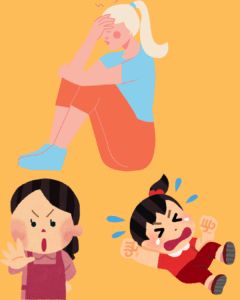
There are days when the smallest thing can break us. One moment we are holding everything together, and the next moment our emotions burst out like a dam giving way after years of pressure. Many people feel ashamed when they lose control over their emotions, but the truth is simple: it happens to everyone, especially to the ones who carry too much silently.

Yesterday was one of those days for me. I felt something inside me snap — not in a dramatic way, but in a very human way. My eyes filled up, my chest tightened, and I couldn’t hold it anymore. I let go. I burst out. And the first question that came to my mind was: Why? Why did I lose control? What exactly triggered me?

Sometimes the reasons are not one single thing. Sometimes it is a whole collection of unspoken emotions, unexpressed exhaustion, hormonal fluctuations, expectations, responsibilities, relationships, and even natural cycles like the new moon energy. When all of these layers pile up, it is only natural for a person to feel overwhelmed.

Let’s break down what might actually cause such emotional outbursts and how completely normal it is to experience them.

1. PMS and Emotional Sensitivity

For many women, PMS (Premenstrual Syndrome) is not just a physical experience. It affects emotions, thoughts, reactions, and sensitivity levels.
Hormonal changes can cause:

  • sudden sadness

  • irritability

  • emotional flooding

  • feeling unappreciated

  • feeling disconnected

  • unexplained anger or tears

During PMS, the emotional tolerance tank becomes very small. Something that feels manageable on any other day might feel like a storm during this time. Losing control over emotions is a very real and very common PMS symptom.

And no — it doesn’t mean you’re overreacting. It means your body is going through a chemical shift that impacts your emotional strength.

2. Tired Schedules and Emotional Burnout

Sometimes, the reason we break down has nothing to do with hormones. It has everything to do with exhaustion.

We carry so many roles — parent, partner, daughter-in-law, professional, caretaker, homemaker, emotional support system for everyone around us. When life becomes a tight schedule with no pause, no space, and no time to breathe, emotional burnout becomes inevitable.

You might think you’re strong enough to handle it all, but your body knows better. Your emotions know better. When the body and mind reach their limit, they release the emotions you’ve been suppressing.

Because tears are not a weakness.
They are an overflow.

Burnout is real, and emotional outbursts are often a sign that you have been running on empty for too long.

3. Emotional Stress from Relationships and Joint Family Dynamics

Joint families are beautiful — but they also come with responsibilities, expectations, opinions, and emotional pressures.

Sometimes you feel judged.
Sometimes you feel misunderstood.
Sometimes you feel invisible.
Sometimes you feel too seen.

There is always something happening around you, and you rarely get a quiet emotional space to understand your own feelings. When you constantly adjust, compromise, smile, and stay strong in front of everyone, the emotional load silently keeps increasing.

Small moments that normally wouldn’t bother you can feel huge when you’re already carrying old hurt, unresolved stress, or unspoken pain. Emotional outbursts in such situations are not unusual; they are a sign of emotional overload.

4. The New Moon’s Emotional Effect

Many people notice that their emotions peak during the new moon. Though science is still exploring the connection, countless individuals report feeling:

  • unusually emotional

  • introspective

  • drained

  • mentally sensitive

  • anxious or overwhelmed

The new moon often brings inner emotional cleansing. It is a period where hidden thoughts and suppressed feelings rise to the surface. So yes, if you felt unusually emotional, the new moon phase might have contributed to your outburst.

Sometimes nature works with us and sometimes against us. And that’s okay.

5. When Everything Comes Together at Once

Most emotional outbursts don’t come from one problem.
They come from many things piling up silently.

Imagine holding ten bags at once.
Each bag alone is manageable.
But when all ten stack together, anyone would collapse.

Your emotional outburst might have happened because:

  • PMS lowered your emotional threshold

  • A tired schedule made you mentally exhausted

  • Joint family dynamics added emotional weight

  • Relationship stress increased your sensitivity

  • New moon energy intensified your emotions

When so many layers combine, losing control isn’t surprising — it’s normal.

6. You Are Not Weak. You Are Human.

The world teaches us how to be strong, but it never teaches us how to break.
But breaking is a part of being human.

Your emotional outburst was not a failure.
It was not a sign of weakness.
It was not something to feel guilty about.

It was your mind’s way of saying:
“You’ve been holding too much. Let me help you release some of it.”

Emotions need expression. Tears are cleansing.
If you burst out, it means your system trusted you enough to let everything out.

7. What You Can Do After an Emotional Breakdown

1. Acknowledge it without guilt

Say to yourself: I had a moment. That’s okay.

2. Identify what triggered you

Not to blame yourself, but to understand your emotional patterns.

3. Rest

Your body and mind need recovery after emotional overflow.

4. Reduce your load

Even small changes can help — say no when needed, ask for help, take breaks.

5. Talk to someone safe

Sharing feelings lightens emotional pressure.

6. Ground yourself

A walk, a bath, meditation, journaling — anything that brings you back to yourself.

Final Thought: It’s Okay to Feel Too Much

Losing control over emotions does not make you unstable.
It makes you emotionally alive.

Whether it was PMS, exhaustion, emotional stress, joint family issues, or the new moon — what matters is that you survived the moment, and today you’re reflecting on it with clarity.

Be gentle with yourself.
Your emotions are valid.
Your journey is real.
And you’re doing better than you think.

https://mysticalmomworld.com/when-life-takes-unexpected-turns-staying-strong-when-everything-feels-uncertain/

82. When Nothing Falls in Place: How to Stay Strong When Life Feels Difficult With Kids

When Nothing Falls in Place: How to Stay Strong When Life Feels Difficult With Kids

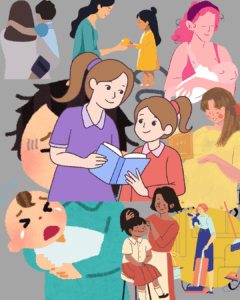
There are days when life feels impossibly heavy. Days when you wake up already tired, when nothing seems to fall in place, when you look at your kids and wonder why everything feels so overwhelming. You try to give them the best, you try to keep the home running, you try to keep your emotions steady—but still, things slip, chaos returns, and your heart feels stretched beyond its limits.

If you are going through a phase where life feels difficult with kids, you are not alone. Parenting is beautiful, yes, but it is also one of the most emotionally demanding journeys a human can experience. This blog is a reminder that your feelings are valid, your struggles are real, and you are doing better than you think.
Let’s explore why these phases happen, how to stay emotionally stable, and how to create small shifts that lead to big changes.

Why Life Feels Difficult When Everything Seems Out of Place

Every parent experiences a time when nothing feels aligned. Maybe your kids are going through emotional highs, tantrums, or stubborn phases. Maybe your home feels disorganized no matter how much you try. Maybe your personal life—career, finances, goals—feels paused because parenting takes up every corner of your mind.

There are a few reasons this feeling becomes intense:

1. Emotional overload

Kids carry unpredictable emotions. When their moods shift constantly, your internal balance shakes. You may feel like you’re never doing enough.

2. Lack of personal time

When you continuously pour into your kids without refilling yourself, life begins to feel heavier.

3. Expectations vs. reality

Parents imagine a certain life with kids—peaceful, loving, organized. But real life is messy and loud, and this gap creates frustration.

4. Silent sacrifices

You give up sleep, hobbies, dreams, outings, and mental space. These sacrifices accumulate and create emotional fatigue.

It’s Not Just You—Every Parent Goes Through Difficult Seasons

Every phase of parenting comes with unique challenges:

  • When kids are toddlers, their demands drain you.

  • When they grow older, their emotional needs become complex.

  • When they become teenagers, misunderstandings and friction rise.

Each stage is beautiful. Each stage is hard.

The problem starts when parents suffer in silence, thinking others are doing better. But behind every smiling family photo lies a story of tired parents holding everything together.

You are not failing. You are simply going through a season of growth—yours and your children’s.

How to Stay Strong When Life Feels Difficult With Kids

Here are gentle, practical steps that bring emotional clarity and balance.

1. Accept That You Cannot Control Everything

This is the hardest truth for parents:
You cannot make everything perfect.

Kids will be messy.
Days will be chaotic.
Plans will fall apart.

When you release the pressure of perfection, your mind breathes again.

2. Remember That This Phase Is Temporary

Every difficult season eventually becomes a memory.
The tantrums, the sleepless nights, the frustration—they don’t last forever.

Sometimes parents panic because they feel:

“Is this how my life will always be?”

No. This is just a chapter, not your whole story.

3. Talk to Your Kids—They Understand More Than You Think

Kids may not understand adulthood, but they do understand emotions.
If they are old enough to speak, they are old enough to understand:

  • “I am feeling tired today.”

  • “I need five minutes to breathe.”

  • “Let’s calm down together.”

Children mirror what they see.
Calmness teaches calmness.
Honesty teaches honesty.

4. Take Micro-Breaks Instead of Waiting for a Big Break

You don’t need a vacation to feel better.
You need tiny moments of rest.

Examples:

  • A 3-minute breathing break

  • Sitting silently for 2 minutes

  • A short walk outside

  • Listening to your favorite song

  • Drinking tea without rushing

Micro-breaks recharge the nervous system and reduce emotional overload.

5. Lower Your Expectations and Celebrate Small Wins

Your house doesn’t have to be spotless.
Your kids don’t have to behave perfectly.
You don’t have to finish every task today.

Instead, focus on:

  • One task completed

  • One moment of peace

  • One smile from your child

  • One meaningful conversation

Small wins build emotional strength and dissolve guilt.

6. Ask for Help—It Is Not a Weakness

Parents often feel guilty asking for help, but support is essential.
Ask your partner, parents, siblings, or friends for small support like:

  • Taking the kids for an hour

  • Helping with meals

  • Listening without judgment

Strong parents are not the ones who do everything alone.
They are the ones who know when to share the load.

7. Connect With Other Parents

Talking to people who understand your journey brings relief.
Many parents are walking through the same struggles but hiding them behind controlled smiles.

You will feel lighter when you know you are not alone.

8. Create Predictable Routines

Kids thrive on structure.
When routines are consistent, emotional chaos reduces.

Try simple routines:

  • A calm morning ritual

  • A simple bedtime schedule

  • A fixed screen-time rule

  • Family mealtimes

Predictability brings peace.

9. Take Care of Yourself Without Feeling Guilty

You cannot pour from an empty heart.

Self-care is not selfish.
Self-care is survival.

Choose one thing every day that nourishes you:

  • Reading

  • Walking

  • Meditation

  • Skin care

  • Journaling

  • Talking to someone you trust

When you take care of yourself, you show up better for your children.

A Reminder Every Parent Needs to Hear

You love your kids deeply, but that does not mean you must feel strong every day.

Some days you will cry.
Some days you will shout.
Some days you will feel lost.

That does not make you a bad parent.
That makes you human.

Your children do not need a perfect parent.
They need a present, loving, honest parent—and you already are one.

Final Thoughts: You Are Stronger Than This Phase

When life feels difficult with kids, it’s easy to blame yourself or feel helpless. But this chapter will eventually settle. You will rebuild balance step by step. You and your children will grow through this together.

One day you will look back and realize—

You didn’t break.
You evolved.
You became a stronger, softer, wiser version of yourself.

And your kids will always remember the parent who never gave up on them—even on the days when nothing fell in place.

https://mysticalmomworld.com/why-emotional-exhaustion-hits-parents-harder-than-anyone-imagines/

78. Life Feels Heavier Till We Realize What We Have: The Art of Appreciating What You Have in Life

Life Feels Heavier Till We Realize What We Have: The Art of Appreciating What You Have in Life

There comes a moment in life when everything feels unbearably heavy. No matter how much we try to stay positive, our mind keeps drifting toward what we lack—a dream we haven’t achieved yet, a person who walked away, an opportunity we missed, or a life we wish we had. But at some point, something shifts. We pause, look around, and finally recognize that what we already have is far more precious than what we keep chasing.

This is the point where life begins to feel lighter.
This is the point where we stop cringing for things and people who never belonged to us in the first place.
This is the point where gratitude quietly enters and transforms everything.

In this blog, let’s explore why life feels heavy, how we fall into the trap of wanting more, and how appreciating what you have in life can bring inner peace that nothing else can.

Why Does Life Feel So Heavy?

Life becomes heavy not because of responsibilities or challenges, but because of the mental load of expectations we place on ourselves. We expect life to unfold in a particular way. We expect people to behave in a way that satisfies our emotional needs. We expect our plans to succeed without obstacles.

But life doesn’t work like that.

The weight comes from:

  • Wanting things that aren’t meant for us

  • Holding onto people who were only temporary

  • Comparing our life to what others show

  • Believing happiness lies somewhere in the future

  • Ignoring the blessings we already live with

Life doesn’t become hard because it’s unfair. It becomes hard because we resist accepting what is and keep idealizing what should be.

We Cringe Over What We Lost, Not What We Have

One of the biggest truths about human nature is that we value what leaves us more than what stays.
We notice absence louder than presence.
We feel loss stronger than blessings.

But here’s a gentle reality check:

The things or people who didn’t stay were never meant to stay.
The paths that didn’t open were not meant for us.
The opportunities that didn’t progress were not aligned with our purpose.

Yet, we hold onto these disappointments so tightly that we ignore the things that are going right—our health, our shelter, our loved ones, our growth, our talents, our small joys.

The heaviness comes from choosing to stare only at the door that closed, forgetting the thousands of windows still open.

This is why appreciating what you have in life is not just a positive habit—it is emotional freedom.

The Turning Point: Realizing What We Already Have

The turning point comes quietly. Sometimes after heartbreak, sometimes after failure, sometimes during a long walk, sometimes during a lonely night.
Suddenly, we become aware that:

  • We have more blessings than troubles

  • We have more support than loneliness

  • We have more strength than we give ourselves credit for

  • We have more abundance than we acknowledge

This realization changes everything.

You no longer chase people to stay.
You no longer beg for attention or validation.
You no longer compare your life with someone else’s highlight reel.
You no longer punish yourself for not having more.

Instead, you develop gratitude for the simple things:

The comfortable bed you sleep in.
The food on your plate.
The one friend who truly cares.
The parents who love you.
The roof that shelters you.
The body that carries you through life.
The job that pays your bills.
The opportunities that helped you grow.
The wisdom you gained through struggles.

We often overlook these simple things because they feel ordinary.
But the truth is, the ordinary is what sustains us.
What we consider ‘normal’ is someone else’s miracle.

The Life-Changing Power of Gratitude

Gratitude is the strongest form of emotional healing.
It shifts your focus from missing pieces to the beautiful puzzle already forming.
It doesn’t mean your life becomes perfect—it means your perspective becomes peaceful.

Here’s what gratitude does:

1. It reduces emotional heaviness

When you appreciate what you have, the need to chase unnecessary things reduces. Life feels simpler.

2. It improves mental clarity

Your mind stops wandering into “what if” and starts living in “what is”.

3. It heals past trauma

By focusing on the present, the grip of old wounds loosens.

4. It attracts more good into your life

A grateful mindset naturally opens doors to better relationships, opportunities, and positivity.

5. It brings inner peace

Peace doesn’t come from achieving everything; it comes from being thankful for what is already yours.

Why You Should Stop Cringing for What Doesn’t Belong to You

Many times, the things or people we crave for are not aligned with our growth, energy, or destiny.
Life removes things we cling to only because it wants to replace them with something better.

Yet we resist.

We cry over closed doors instead of trusting the path ahead.
We try to hold on to temporary people.
We stretch ourselves to fit into spaces we’ve outgrown.
We chase love that drains us.
We run behind dreams that don’t fulfill us.

But remember this:

If it was truly yours, it would never require you to beg, force, or break yourself to keep it.

Letting go is not losing.
Letting go is making space for what belongs to you.

How to Start Appreciating What You Have in Life (Simple Practice)

Here are 5 simple steps you can start today:

1. List 5 blessings every morning

Even if it’s as basic as clean water or electricity—write it down.

2. Stop comparing

Your journey is meant for you alone.

3. Practice presence

Observe your daily life without judgement.

4. Acknowledge your growth

You’ve survived everything life threw at you so far. That’s strength.

5. Accept what isn’t yours

Release the emotional weight of anything that drains your energy.

Conclusion: Life Becomes Lighter With Gratitude

Life only feels heavy when we measure it by what we lack.
The moment we start appreciating what we have in life, the burden lifts.
We breathe easier, live softer, love deeper, and find joy in the ordinary.

You are already blessed.
You are already enough.
You are already richer than you think.

And once your heart understands this, life stops feeling heavy.
It becomes beautiful—exactly as it is.

https://mysticalmomworld.com/when-life-takes-unexpected-turns-staying-strong-when-everything-feels-uncertain/

76. The Struggle of Being a Highly Sensitive Person in a Loud Household

The Struggle of Being a Highly Sensitive Person in a Loud Household

Some people can live comfortably in chaos — loud voices, nonstop movement, unexpected noises, constant interruptions, and the daily messiness of family life. But for a highly sensitive person, a loud household is not just discomfort.
It is a silent emotional battle.

Highly sensitive people feel everything more intensely — sounds, emotions, energy, conflict, and even the tone of someone’s voice. What seems “normal” or “nothing” to others can feel overwhelming, heavy, and mentally draining for them.

If you are a highly sensitive person in a loud household, you know the struggle well.
You are tired, overstimulated, misunderstood, and often blamed for simply being sensitive.

This blog is a piece of emotional comfort — to let you know that what you feel is real, valid, and more common than you think.

1. Noise Doesn’t Just Distract a Sensitive Person — It Burns Out Their Nervous System

For most people, noise is just sound.
For a highly sensitive person, noise becomes:

  • pressure

  • tension

  • mental heaviness

  • internal chaos

  • emotional fatigue

Simple sounds like:

  • TV running

  • kids yelling

  • family arguments

  • loud cooking noises

  • multiple people talking

  • doors banging

  • constant movement

can create sensory overload.

This overstimulation makes the brain feel like it’s running a marathon even while sitting still.

A loud household can turn a normal day into a day of emotional survival.

2. People Don’t Understand Why You Get Overwhelmed

One of the hardest struggles is the lack of understanding from others.

You hear things like:

  • “It’s just noise, stop overreacting.”

  • “Why do you get irritated so fast?”

  • “You’re too sensitive.”

  • “Kids are kids, you should get used to it.”

  • “You’re always complaining.”

They don’t understand that sensitivity is not a choice.
You are not irritated — you are overstimulated.
You are not complaining — you are overwhelmed.
You are not weak — you are wired differently.

A highly sensitive person in a loud household often ends up suppressing their needs just to avoid judgment.

3. Emotional Sensitivity Makes Household Conflicts Ten Times Harder

Noise is only one part of the struggle.
The emotional energy inside a loud household — arguments, misunderstandings, tension — affects sensitive people much more deeply.

You feel:

  • the shift in mood

  • the sharpness in someone’s tone

  • the unspoken anger

  • the stress everyone carries

  • the chaos inside the home

Your body absorbs emotions like a sponge.

Even a small conflict can sit in your mind for hours or days.
And this emotional overload leads to mental exhaustion.

4. The Constant Responsibility Drains Sensitive Parents Even More

If you are a parent who is highly sensitive, raising children in a loud household becomes twice as hard.

Kids are naturally noisy.
They shout, cry, fight, run, and demand attention.

A sensitive parent ends up feeling:

  • drained

  • guilty

  • overstimulated

  • helpless

  • emotionally tired

  • mentally suffocated

You love your kids deeply, but your nervous system collapses with constant noise and unpredictability.

This doesn’t make you a bad parent.
This makes you a highly sensitive parent trying your best in a loud world.

5. You Are Forced to Stay Strong Even When Your Brain Is Begging for Quiet

Highly sensitive people don’t get the luxury to “switch off.”
Even when they try to rest, the environment continues:

  • footsteps

  • banging items

  • doors opening and closing

  • phone calls

  • TV sounds

  • kids crying

  • relatives talking loudly

Your brain doesn’t get a break.
So your exhaustion becomes deeper, heavier, and more silently painful.

And because no one sees this internal struggle, you hide it.

6. The Guilt of Wanting Silence Is Real

A highly sensitive person in a loud household often carries guilt.

Guilt for needing space.
Guilt for craving silence.
Guilt for not matching the family’s energy.
Guilt for getting tired easily.
Guilt for being different.

But your need for quietness is not selfish.
It is self-preservation.
Your nervous system needs calm the way others need excitement.


7. You Try to Adjust — But It Comes with Emotional Cost

Sensitive people constantly adjust themselves:

  • lowering their expectations

  • ignoring overstimulation

  • smiling through chaos

  • pretending noise doesn’t bother them

  • softening reactions

  • suppressing emotions

  • accepting discomfort

  • absorbing extra responsibility

But adjusting every day takes a toll.
It creates emotional burnout — a silent, internal collapse.

8. You Are Not Alone — And There Are Ways to Cope

While you cannot always control the noise, you can control how you protect yourself emotionally and mentally.

Here are gentle ways to cope:

 Create a quiet corner

A dedicated space where you can breathe, sit, reset.

 Use earplugs or noise-cancelling headphones

Not to escape your family — but to protect your mind.

 Take micro-breaks

Even 5 minutes of silence can reset your energy.

 Lower self-criticism

You are not “too sensitive.” You are highly aware.

 Communicate with family

Explain kindly — not defensively — how noise affects your mental energy.

 Practice grounding

Deep breathing, slow walks, or quiet rituals.

 Reduce overstimulation

Less screen noise, fewer overlapping activities, small changes that help.

Your sensitivity is not a weakness.
It is a unique way of experiencing the world — deeply, beautifully, intensely.

A Gentle Reminder

Being a highly sensitive person in a loud household is not easy.
You’re fighting a battle no one sees.
You carry emotions no one understands.
You absorb energy no one notices.
And you get overwhelmed in ways others never will.

But you are not broken.
You are not dramatic.
You are not fragile.

You are simply wired differently — and that wiring deserves respect, care, and quiet spaces to breathe.

You are doing your best.
And that is enough.

https://mysticalmomworld.com/how-to-stay-calm-when-life-feels-completely-overwhelming/

73. When Life Takes Unexpected Turns: Staying Strong When Everything Feels Uncertain

When Life Takes Unexpected Turns: Staying Strong When Everything Feels Uncertainhttps://mysticalmomworld.com/when-life-feels-too-heavy/

Life is unpredictable. One day everything feels normal, and the next day everything changes. When life takes unexpected turns, it can shake your confidence. It can confuse you. It can make you feel lost, scared, or unsure of what to do next.

But even during sudden changes, you can find strength inside yourself. You can learn to stay calm. You can learn to adapt. And you can learn to move forward without losing hope.

Let’s explore how.

1. When Life Takes Unexpected Turns, It’s Normal to Feel Overwhelmed

Unexpected changes create emotional shock.
Maybe it’s:

  • a relationship ending

  • a job loss

  • a health issue

  • a sudden responsibility

  • a financial problem

  • a family situation

  • or a dream falling apart

Whatever it is, your mind needs time to process it.

When life takes unexpected turns, feeling confused or scared does not mean you are weak. It only means you are human.

2. You Don’t Need to Pretend to Be Strong All the Time

Many people try to act brave even when they are breaking inside. They hide their feelings because they don’t want to worry others.

But pretending drains your energy.

When life takes unexpected turns, be honest about your feelings—at least with yourself. You can cry. You can pause. You can admit you are tired.

Strength is not about hiding pain.
Strength is about facing it.

3. Accepting Change Helps You Move Forward Faster

Acceptance does not mean you love the situation. It simply means you stop fighting what you cannot control.

When life takes unexpected turns, acceptance becomes your first step toward healing.

Say to yourself:

  • “I did not choose this, but I will handle it.”

  • “This is difficult, but I can learn from it.”

  • “I cannot control everything, but I can control my response.”

Acceptance brings clarity.
Clarity brings strength.

4. Break Every Problem Into Smaller Steps

Large problems feel impossible.
But small steps feel manageable.

When life takes unexpected turns, break everything into simple actions.

Instead of saying:
“I need to fix my whole life.”

Say:
“Today, I will complete one small step.”

Small steps may look slow, but they create powerful progress.

5. Focus on What You CAN Control

Unexpected situations bring fear because they remind you how little control you have.

But you can still control:

  • your mindset

  • your actions

  • your choices

  • your habits

  • your attitude

  • your next step

When life takes unexpected turns, shifting your focus from “what went wrong” to “what I can do now” changes everything.

6. Trust That Every Change Leads Somewhere Better

Many people fear uncertainty. But uncertainty is also where new possibilities hide.

Think about your past.

How many times did something painful lead you to something better?

When life takes unexpected turns, remember that change often becomes a blessing later, even if it feels scary in the moment.

Life may be removing something that no longer fits you.
Life may be making space for something better.

7. Give Yourself Permission to Rest

You don’t have to solve everything today.
You don’t have to act immediately.
You don’t have to be perfect.

When life takes unexpected turns, rest is important. It helps your body and mind reset.

A calm mind solves problems better.
A tired mind creates more problems.

Rest is part of healing.
Rest is part of rebuilding.

Rest is part of strength.

8. Reach Out for Support Instead of Carrying It Alone

You don’t need to walk through difficult times alone.
Talk to:

  • a friend

  • a partner

  • a sibling

  • a parent

  • someone you trust

Sharing your heart reduces emotional weight.
Support gives strength.
Support gives perspective.
Support gives comfort.

When life takes unexpected turns, connection becomes a powerful medicine.

9. Practice Gratitude Even During Hard Days

Gratitude does not erase pain, but it reduces fear.
It reminds you that even in tough times, there is still goodness around you.

When life takes unexpected turns, write down three things you are grateful for:

  • A supportive person

  • A safe home

  • A lesson learned

  • A moment of peace

  • Your own strength

Gratitude softens the struggle.
Gratitude brings hope.

10. Believe That You Will Rise Again

You have survived difficult days before.
You have handled unexpected changes earlier.
You have overcome pain that once felt impossible.

This time, too, you will rise.

When life takes unexpected turns, remind yourself:

  • “I have strength inside me.”

  • “I will not give up.”

  • “I can rebuild my life.”

  • “This moment will not break me.”

Your story is not ending—only changing.
And change often leads to growth.

Conclusion

Life will not always move according to your plans. Sometimes it will surprise you in painful ways. But these moments do not define you.

What defines you is your courage.
Your hope.
Your ability to continue.
Your willingness to rebuild.

When life takes unexpected turns, hold your heart gently.
Take one step at a time.
Believe in your own strength.
And trust that better days are coming.

Because they always do.

https://mysticalmomworld.com/the-courage-to-start-again-rebuilding-when-no-one-believes-in-you/

72. How to Stay Calm When Life Feels Completely Overwhelming

How to Stay Calm When Life Feels Completely Overwhelminghttps://mysticalmomworld.com/simple-living-big-dreams-my-journey-to-becoming-my-familys-first-billionaire/

Life does not always follow the smooth road we imagine. Some days are peaceful, but many days feel like a storm we did not prepare for. When responsibilities pile up, when emotions run high, and when our mind refuses to slow down, it becomes difficult to stay calm. In fact, the biggest challenge today is learning how to stay calm when life feels overwhelming, because modern life constantly pulls us in multiple directions.

Whether you are a parent, a working professional, a student, or someone simply trying to keep things together, it is normal to feel mentally exhausted. But the good news? You can regain control. Not by changing everything in your life instantly, but by changing how you respond to the chaos.

In this blog post, let’s explore powerful, practical, and emotionally soothing ways to stay calm when life feels overwhelming, even when everything seems out of place.

1. Accept That You Are Overwhelmed (Do Not Fight It)

Most people make the first mistake—they deny how they feel. They keep pushing, acting strong, avoiding their emotions. But emotional resistance creates more pressure.

Instead, pause and say to yourself:
“I am overwhelmed, and that’s okay.”

Acceptance immediately reduces internal tension. You don’t have to have everything figured out. You don’t have to handle everything perfectly. You just need to acknowledge the truth. This is the first step towards healing.

2. Slow Everything Down (Your Breath Controls Your Mind)

When life feels too much, your nervous system goes into survival mode. Your heartbeat increases. Your mind races. You lose clarity.

The fastest way to reset your system is through controlled breathing. Just 1–2 minutes is enough.

Try this simple technique:

  • Inhale for 4 seconds

  • Hold for 2 seconds

  • Exhale slowly for 6 seconds

  • Repeat 8–10 times

This activates the parasympathetic nervous system—the part of your body that signals safety and calmness. It’s scientifically proven. And it works every single time.

3. Write Down Everything That Is Scaring or Stressing You

When your mind feels cluttered, it is because too much is trapped inside your head.

Take a notebook or your phone and write:

  • What is stressing me right now?

  • What is out of my control?

  • What can I do in the next 24 hours?

Writing creates clarity. It separates emotional fear from real, solvable problems.

You will see that not everything requires immediate action. Some things only need space and patience.

This step alone helps many people stay calm when life feels overwhelming because a clear mind is always stronger than a crowded one.

4. Break Your Life Into Tiny, Manageable Pieces

When everything is happening all at once, the pressure feels unbearable. So don’t handle everything together.

Break your day into small steps:

  • One task at a time

  • One responsibility at a time

  • One decision at a time

Ask yourself:
“What is the next small thing I can do right now?”

It could be:

  • drinking water

  • replying to one message

  • arranging your bed

  • taking a shower

  • ordering groceries

  • preparing one simple meal

Small steps create big emotional shifts.

5. Say ‘No’ Without Feeling Guilty

When life is overwhelming, boundaries become your greatest strength.

You are not responsible for pleasing everyone. You are not a machine. You are not supposed to be available 24/7. Saying no does not make you selfish—it makes you human.

Try these gentle boundary sentences:

  • “I’m currently full with tasks; I’ll get back when I can.”

  • “I would love to help, but I’m not in a position to take more right now.”

Protecting your peace is not optional. It is essential.

6. Create a Daily Calm Ritual (Even 10 Minutes)

A ritual signals your brain that everything is under control. Choose one of the following and practice it daily:

  • Warm tea in silence

  • Short meditation

  • Reading one page of a book

  • Prayer or chanting

  • Sitting near a window observing nature

  • Light stretching or yoga

  • Listening to calming music

Consistency is more important than perfection. These simple rituals help you stay grounded and stay calm when life feels overwhelming.

7. Reduce Sensory Overload (Hidden Cause of Stress)

Modern life overstimulates your brain. Notifications, noise, screens, tasks—it never ends.

Reduce overload by:

  • Keeping your phone on silent

  • Muting unnecessary WhatsApp groups

  • Cleaning one corner of your home

  • Closing multiple tabs on your device

  • Spending 5 minutes without your phone

Your mind needs breathing space to function well. Sensory rest is the medicine for mental chaos.

8. Talk to One Safe Person

Human connection is healing. Sharing your feelings with someone who listens without judgement can instantly lighten your emotional load.

Choose:

  • a friend

  • a sibling

  • a spouse

  • a mentor

  • someone who brings comfort

Sometimes, hearing “I understand” is enough to help you stay calm when life feels overwhelming.

9. Remind Yourself That This Phase Is Temporary

No emotion lasts forever. No situation remains the same. You have survived hard days before, and you will survive this too.

Tell yourself:

  • “This is temporary.”

  • “I will get through this.”

  • “I am stronger than this moment.”

Your future self will thank you for not giving up on the difficult days.

10. Choose One Act of Kindness Towards Yourself Daily

Be gentle with yourself. You deserve softness, not harshness.

Give yourself:

  • a warm bath

  • rest

  • a favorite dessert

  • a walk

  • time to breathe

  • forgiveness

You are doing your best. And that is enough.

Final Words

Staying calm when life feels overwhelming is not about having a perfect life. It’s about learning how to navigate the chaos with compassion, clarity, and inner balance.

Whenever things feel too heavy, return to these steps. You are not alone. You are capable. And you will rise again, stronger and more centered.

https://mysticalmomworld.com/small-wins-big-peace-finding-happiness-in-unnoticed-moments/

59. Simple Living, Big Dreams: My Journey to Becoming My Family’s First Billionaire

https://mysticalmomworld.com/invisible-load-on-women-why-it-causes-daily-mental-exhaustion/Simple Living, Big Dreams: My Journey to Becoming My Family’s First Billionaire

There are two sides to me — one that loves peace, simplicity, and a quiet life… and another that burns with a deep desire to achieve something massive. I don’t want luxury to define me, but I do want success to recognize me. I want to earn in millions, to become my family’s first billionaire — not out of greed, but out of purpose.

But the question that keeps me awake some nights is this: Can I live simply and still become a billionaire?

The answer, I’m learning, is yes — but it requires the right mindset, habits, and patience.

The Misconception About Simple Living and Wealth

Many people assume that wanting to be rich automatically means you have to be loud, showy, or materialistic. But simple living doesn’t mean small dreaming. It means clarity.

When you live simply, you spend less time chasing appearances and more time chasing growth. Your focus shifts from “How do I impress others?” to “How do I improve myself?”

That’s what builds billionaires — not luxury cars or expensive vacations, but focus, discipline, and purpose.

Why I Want to Become My Family’s First Billionaire

Money itself isn’t the dream — freedom is.

I want to become my family’s first billionaire because I want to break the financial pattern we’ve lived in for generations. I want my parents to live without worry, my siblings to have options, and my next generation to start from strength — not struggle.

It’s not about buying everything I see; it’s about creating something valuable that continues to earn even when I sleep.

That’s what true wealth feels like — silent, stable, and steady.

Finding the Path That Fits My Personality

I’ve realized I don’t need to be loud or overly ambitious in public to make it big. I can stay low-key yet effective.

Here are a few ways I’m aligning my simple lifestyle with my billionaire vision:

  • Building digital income sources: Writing, content creation, and online business models don’t require a huge lifestyle change.

  • Investing in knowledge: I read, observe, and learn from people who built wealth quietly — the ones who didn’t chase attention, but opportunity.

  • Saving aggressively, investing wisely: Simple living gives me space to save. Those savings can later build assets — real estate, mutual funds, or online ventures.

  • Prioritizing time over trends: I don’t want to live a reactive life, scrolling endlessly. Every minute saved is a resource invested in my dream.

The Power of Invisible Growth

We often measure success by what others can see. But the most powerful growth happens in silence.

Simple living gives me a chance to grow invisibly — to build my mindset, learn new skills, and strengthen my financial intelligence without external noise.

A billionaire mindset doesn’t start in a business meeting; it starts in how you manage your time, your emotions, and your decisions when no one’s watching.

My Simple Formula for Big Wealth

If you’re like me — calm, grounded, but ambitious — here’s a simple formula I follow daily:

  1. Live below your means, but think above them.
    Save and invest with the mindset of expansion, not limitation.

  2. Create before you consume.
    Spend your mornings building something that adds value — a blog, a business idea, a new skill.

  3. Automate growth.
    Use systems — recurring investments, auto savings, and digital assets that work even when you rest.

  4. Stay curious and humble.
    Billionaires are not the smartest people in the room — they’re the most open-minded.

  5. Protect your peace.
    A billionaire with no peace of mind is just a rich person who’s lost direction.

Lessons I’m Learning Along the Way

Becoming wealthy isn’t about luck or privilege; it’s about consistency.

Some lessons I’ve learned on this journey:

  • You don’t have to prove your success to anyone.

  • Minimalism in lifestyle often means maximum focus in goals.

  • Small wins compound — daily discipline turns into lifetime freedom.

  • Saying no to unnecessary things creates space for extraordinary ones.

Every time I feel lost or impatient, I remind myself: simplicity is not my limitation — it’s my advantage.

Turning Simple Living Into a Superpower

In a world where everyone’s showing off, simplicity becomes your strength. It gives you peace in chaos, focus in distraction, and direction in confusion.

I don’t want to run after every trend or opportunity. I want to create one thing so valuable that it grows beyond me.

That’s the real billionaire move — not to own everything, but to build something that outlives you.

The Vision Ahead

My vision is clear:

  • To live a calm life.

  • To work smart, not endlessly.

  • To earn in millions.

  • To give back in billions.

Every morning, I wake up with a sense of balance — between my spiritual simplicity and my financial ambition.

I don’t need the world to understand this mix. I just need to keep walking toward it, one simple, powerful step at a time.

Final Thoughts

You don’t have to choose between being peaceful and being powerful. You can be both.

Simple living isn’t the opposite of wealth — it’s the foundation of it. When your heart is grounded and your goals are high, your actions naturally align with greatness.

One day, I’ll look back and say — I did it my way. I lived simply, but I built massively.

That’s my dream — to live humbly and still become my family’s first billionaire.

37.When Even Refilling Feels Like a Task

https://mysticalmomworld.com/why-patience-is-the-strongest-parenting-skill/When Even Refilling Feels Like a Task

There comes a phase in life when even the smallest acts feel like an uphill battle.
You wake up, look at the bike’s petrol meter, and sigh — not because the tank is empty, but because you are. You know it needs refilling, but somehow, you delay it. Not because you forgot, but because you don’t have the energy to care anymore.

It’s strange how life mirrors our exhaustion. The way you keep riding on low fuel, hoping somehow it’ll take you just one more mile — just one more day — before you finally stop. Maybe you tell yourself, “I’ll fill it tomorrow.”
But tomorrow comes, and so does another reason not to.

The Silent Struggle Behind Everyday Tasks

People see you going to work, smiling at familiar faces, taking care of responsibilities — but they don’t see the inner struggle of holding yourself together.
You keep showing up, but not because you’re full of energy or hope. You show up because you have no choice.

When life keeps demanding from you — time, patience, emotions, care — there comes a time when you have nothing left to offer.
You start avoiding even the smallest things — a call you don’t want to answer, a message you don’t have the energy to reply to, a conversation you’re too drained to continue.

The Meaning of “Empty Tank” in Life

There’s a deep truth in that small act of checking your bike’s petrol every time — it’s not about fuel, it’s about control.
You’re checking if you still have a little left in you to move forward, or if it’s time to stop.
You don’t want to refill — because refilling means effort, and effort means facing everything again.

Sometimes, you just wish the tank would run empty on its own, so you could stop without guilt. Because it’s easier to stop when you’re forced to, than when you choose to.

The Exhaustion No One Understands

People think exhaustion comes from work or stress. But no — real exhaustion comes from living without being seen, without being understood, without being helped.
You keep doing things for others — family, work, society — but when it’s time for someone to refill you, the world suddenly goes silent.

You become your own push, your own reason, your own rescuer — till even that self starts running on fumes. You keep checking if you’re still “okay,” but deep inside, you know — you’re running on empty.

When Life Has to Push You

You start realizing that sometimes, life itself has to push you.
It gives you signs — a sudden breakdown, an unexpected failure, a quiet night where you burst into tears for no reason — that’s life’s way of saying, “Stop. Refuel. Rest.”
But we don’t listen. We just keep riding, pretending everything’s fine, ignoring the red light blinking inside.

And one day, when you can’t move anymore, you finally understand — life was never asking you to quit; it was asking you to pause.

The Guilt of Doing Nothing

In today’s world, even taking a break feels wrong.
When you stop, your mind starts whispering — “You’re wasting time… others are doing so much more.”
But they don’t know the battles you fight silently. They don’t see that waking up, breathing, surviving another day — sometimes that’s your biggest victory.

So what if your tank is empty? So what if you’re too tired to refill?
You’re still standing. That itself is enough for now.

Finding Peace in Stillness

Sometimes, life doesn’t need more movement — it needs stillness.
Sit by yourself. Feel your breath. Don’t think about who’s moving faster or who has more fuel.
This pause is not failure; it’s healing.

Your soul is asking for time — time to rebuild, to feel again, to find meaning beyond daily struggles. Don’t fight it. Allow yourself to slow down.

Because when you refill your soul, not your schedule, that’s when real energy returns.

From Exhausted to Enlightened

Every breakdown teaches you something — that your body, your mind, your spirit all have limits.
The same way your bike can’t run forever without fuel, you can’t keep giving without receiving. You can’t keep running on empty.

You don’t need a grand reason to take care of yourself.
Sometimes, you just need a reminder that you matter too.
That your exhaustion isn’t weakness; it’s proof of how much you’ve carried, how long you’ve held on, and how far you’ve come.

The Quiet Message of an Empty Tank

So next time you check your petrol and sigh — smile instead.
Because that small act says something powerful: you’re aware. You’re still here.
Even if you’re tired, even if you can’t refill today — you’re still moving somehow. And that means life hasn’t given up on you yet.

Maybe one day, you’ll find the strength to refill again — not just your bike, but your soul.
Till then, let life push you a little.
Because even when you run out of fuel, hope finds a way to start the engine again.

Conclusion

Exhaustion doesn’t mean you’re weak. It means you’ve been strong for too long.
And even if you’re riding on an empty tank today, remember — this phase is not your end. It’s just life asking you to stop, breathe, and find your way back to yourself.

35.The Unstarted Dream: My Two-Year Journey of Wanting to Start a YouTube Channel

https://mysticalmomworld.com/live-your-dreams-along-with-motherhood/The Unstarted Dream: My Two-Year Journey of Wanting to Start a YouTube Channel

There are some dreams that stay with you — like a soft whisper you hear every day but can’t quite turn into reality. For almost two years now, I’ve been holding onto one such dream: to start my YouTube channel.

It sounds simple, right? Just switch on the camera, record a video, and upload it. But life isn’t that simple when you are trying to balance your emotions, responsibilities, and endless reasons that seem to hold you back.

Every time I take a step forward, something or the other stops me — sometimes my own mind, sometimes the circumstances around me.

The Many Reasons That Stopped Me

Some days it was my looks that held me back. I’d stand in front of the mirror and ask myself, “Will people even want to see me?” The camera felt like a cruel judge, amplifying every imperfection I already saw in myself.

Other times, it was time that betrayed me. Between family, work, and the hundred invisible responsibilities that come with daily life, I couldn’t find those few quiet hours I needed to plan, shoot, and edit.

Then came family expectations. They love me, but they didn’t understand what I wanted to do. “YouTube? Is that even a real job?” or “Who’s going to watch you?” Their words echoed louder than my own voice.

And yes, resources — the endless “what ifs.”
What if I had a better camera?
What if I had the right background?
What if I could afford better lighting?

All these what ifs became invisible chains, holding me still while my dream waited, untouched.

The Inner Battle Nobody Sees

The hardest part was not the lack of resources, but the war inside my head.

The battle between “I can do this” and “I’m not ready yet.”
Between “This is my calling” and “Maybe I’m just not good enough.”

Every time I watched someone else succeed on YouTube, a part of me would feel proud for them — and another part would quietly whisper, “That could have been you.”

But then, another voice — the loudest one — would say, “You’re not there yet. Wait for the right time.”
And I waited. For two years.

Life’s Way of Testing Dreams

Maybe life does this intentionally. It tests how badly we want something. It places hurdles, doubts, distractions, and challenges not to stop us, but to make sure we’re truly ready.

I realized that every delay had its purpose.
Those times I couldn’t record taught me patience.
Those moments of low self-confidence taught me self-acceptance.
Those financial limitations taught me creativity with what I have.

Even when I didn’t start, I was learning — learning the art of preparation.

The Dream That Refuses to Die

Even after two years, the dream hasn’t left me. It’s like a small flame that refuses to die, no matter how strong the wind blows.

I still catch myself imagining what my channel would look like — the banner, the intro, the first video, the comment section filled with love from strangers who understand me.

There’s a deep connection between me and this dream — something that reminds me, “You haven’t come this far just to give up.”

Sometimes, that’s all the motivation you need — not loud encouragement, not grand success stories, but a small, quiet reminder that your dream is still waiting for you.

What I Learned Through These Two Years

  1. Perfection is a Myth:
    Waiting for the “perfect” day, “perfect” look, or “perfect” camera means waiting forever. The first video doesn’t have to be perfect — it just has to be yours.

  2. Comparison is Poison:
    Someone else’s beginning might look better because they started before you. That doesn’t make your journey any less meaningful.

  3. Consistency Starts with Courage:
    You can’t be consistent if you never begin. The first upload, no matter how small, is the foundation of consistency.

  4. Your Story Matters:
    People connect with authenticity. They don’t need filters; they need feelings. Your voice, your truth, your journey — that’s what makes your channel special.

  5. Start Scared, But Start Anyway:
    The fear won’t go away completely — but neither will your dream. The choice is yours which one you feed.

The Realization: It’s Not Too Late

Two years later, I’ve learned something important — dreams don’t expire.
They might wait quietly in the corner, but they’re still alive, still waiting for you to take that one step.

If I could talk to the version of me who kept postponing this dream, I’d say,
“Start. Even if it’s messy. Even if it’s imperfect. Even if it’s late.”

Because it’s never too late to begin the thing your heart still beats for.

The Beginning After Waiting

So here I am — standing at the edge of that same dream, ready to take the first step. Not because everything is perfect now, but because I’ve realized it never will be.

This time, I’m not waiting for approval, time, or perfect lighting.
This time, I’m starting — for myself.

Maybe it took two years, but maybe I needed those two years to truly understand what this dream means to me.

And when I finally upload that first video, it won’t just be a YouTube upload. It’ll be the beginning of everything I once thought I couldn’t do.

Conclusion: Your Dream Deserves a Chance

If you’re reading this and you too have been holding onto a dream — to start a YouTube channel, write a book, begin a business, or change your life — just know this:

You don’t need to have it all figured out. You just need to begin.

Because sometimes, the real magic doesn’t happen when everything is ready. It happens the moment you decide you’re ready.

17. The Day I Learned to Forgive Myself

The Day I Learned to Forgive Myselfhttps://mysticalmomworld.com/the-power-of-saying-sorry/

The Day I Learned to Forgive Myself


The Weight of Unspoken Guilt

There are wounds that no one see – the ones we carry silently in our hearts.

For years, I thought being strong meant never making mistakes, never breaking down, never falling those I loved.

But in trying to be perfect, I forgot how to be kind to myself.

Forgiving others always felt easier than forgiving me. I could accept their flaws, their wrongs, and their apologies – but when it came to my own, I held on like punishment was the only way to feel “good enough” again.

It took me years and one unforgettable morning to realize: healing begins the moment you forgive yourself.

The Moment That Broke Me

It wasn’t a dramatic moment – no loud fights, no tears in public. It was an ordinary day that began like any other. My elder daughter had forgotten her school project at home, and I lost my patience. I scolded her sharply.

The moment her eyes filled with tears my heart shattered.

As she quietly picked up her bag and left for school, I felt a wave of guilt I couldn’t explain. It wasn’t just about that morning – it was about all the times I’d been too hard on myself, and in turn, too hard on others.

When she returned, I hugged her and apologized. She smiled and said softly,

“It’s okay, Maa. You’re always trying your best.”

That one line melted something deep inside me.

The Realization That Changed Everything

That evening, as I sat alone, I realized I’d been living with an invisible rule – “You’re only worthy if you never fail.”

But motherhood, womanhood, life – none of it comes with perfection. We stumble. We speak harshly when we’re tired. We forgot ourselves while taking care of everyone else.

The realization that hit me like a gentle truth:

“If I can forgive others so easily, why can’t forgive myself with the same compassion?”

Forgiveness isn’t saying what happened was okay – it’s saying I choose peace over pain.

That night, I stood before the mirror, looked into my own tired eyes, and whispered,

“I forgive you. You did your best with what you knew.”

It felt strange at first….then freeing.

Healing Through Acceptance

The next few days, I began practicing self-forgiveness as a daily ritual. Every morning, instead of rushing into guilt or endless tasks, I paused. I placed my hand on my heart and repeated:

“I am learning. I am healing. I am enough.”

Forgiveness turned out to be less about words and more about energy. I stopped criticizing my reflection. I stopped comparing my journey to others. I started writing letters – to myself – for every version of me that felt unworthy.

Sometimes I’d end them with:

“Dear Me, I see your effort. I love your courage.”

And slowly, I noticed small shifts – better sleep, softer tone with my kids, calm reactions, lighter heart.

Healing didn’t happen overnight, but forgiveness made it possible.

The Hidden Power of Self-Forgiveness

Here’s what I’ve learned from that day:

  1. Forgiveness Doesn’t Erase the Past – It Rewrites Its Meaning.

You can’t change what happened, but you can choose how it defines you. The past becomes a teacher, not a burden.

2. Self-Forgiveness Restores Your Confidence.

When you forgive yourself, guilt loses its control. You start trusting your choices again.

3. Forgiveness Attracts Peaceful Relationships.

When your heart softens toward yourself, it automatically softens toward others. You stop expecting perfection and start embracing love.

4. It’s an Ongoing Journey, Not a One-Time Event.

There will still be days you fall short. On those days, remember – healing isn’t linear.

What matters is you no longer turn your pain into punishment.

A Gentle Practice You Can Try

If you’ve been carrying guilt, here’s a simple 5-minute ritual that truly helped me:

  1. Find a quiet space.

Sit comfortably and close your eyes.

2. Place your hand over your heart.

Feel your heartbeat – proof that life still believes in you.

3. Breathe in forgiveness.

Say softly: “I forgive myself for not knowing better then.”

4. Breathe out guilt.

Exhale the heaviness, the shame, the regret.

5. End with gratitude. Whisper:

“Thank you for giving me another chance to grow.”


Do this daily for a week. You’ll feel a soft calm spreading – not from the outside, but from within.


A Reflection for You

Forgiveness is not weakness. It’s emotional maturity.

It’s saying. “I deserve peace too.”

When you forgive yourself, you stop waiting for external validation. You stop replaying what went wrong and begin celebrating what’s still right.

The universe doesn’t hold your mistakes against you – it uses them to polish your soul.

So today, before you go to bed, place your hand on your heart and say,

“I forgive you. You are still worthy. You always were.”

And feel the weight lift – slowly, beautifully, completely.

https://greatergood.berkeley.edu/topic/self_compassion