When Emotions Burst Out: Understanding Why We Lose Control Sometimes
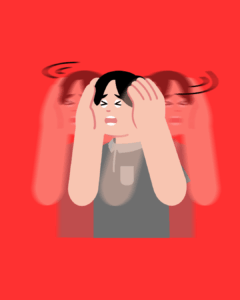

There are days when the smallest thing can break us. One moment we are holding everything together, and the next moment our emotions burst out like a dam giving way after years of pressure. Many people feel ashamed when they lose control over their emotions, but the truth is simple: it happens to everyone, especially to the ones who carry too much silently.
Yesterday was one of those days for me. I felt something inside me snap — not in a dramatic way, but in a very human way. My eyes filled up, my chest tightened, and I couldn’t hold it anymore. I let go. I burst out. And the first question that came to my mind was: Why? Why did I lose control? What exactly triggered me?
Sometimes the reasons are not one single thing. Sometimes it is a whole collection of unspoken emotions, unexpressed exhaustion, hormonal fluctuations, expectations, responsibilities, relationships, and even natural cycles like the new moon energy. When all of these layers pile up, it is only natural for a person to feel overwhelmed.
Let’s break down what might actually cause such emotional outbursts and how completely normal it is to experience them.
1. PMS and Emotional Sensitivity
For many women, PMS (Premenstrual Syndrome) is not just a physical experience. It affects emotions, thoughts, reactions, and sensitivity levels.
Hormonal changes can cause:
-
sudden sadness
-
irritability
-
emotional flooding
-
feeling unappreciated
-
feeling disconnected
-
unexplained anger or tears
During PMS, the emotional tolerance tank becomes very small. Something that feels manageable on any other day might feel like a storm during this time. Losing control over emotions is a very real and very common PMS symptom.
And no — it doesn’t mean you’re overreacting. It means your body is going through a chemical shift that impacts your emotional strength.
2. Tired Schedules and Emotional Burnout
Sometimes, the reason we break down has nothing to do with hormones. It has everything to do with exhaustion.
We carry so many roles — parent, partner, daughter-in-law, professional, caretaker, homemaker, emotional support system for everyone around us. When life becomes a tight schedule with no pause, no space, and no time to breathe, emotional burnout becomes inevitable.
You might think you’re strong enough to handle it all, but your body knows better. Your emotions know better. When the body and mind reach their limit, they release the emotions you’ve been suppressing.
Because tears are not a weakness.
They are an overflow.
Burnout is real, and emotional outbursts are often a sign that you have been running on empty for too long.
3. Emotional Stress from Relationships and Joint Family Dynamics
Joint families are beautiful — but they also come with responsibilities, expectations, opinions, and emotional pressures.
Sometimes you feel judged.
Sometimes you feel misunderstood.
Sometimes you feel invisible.
Sometimes you feel too seen.
There is always something happening around you, and you rarely get a quiet emotional space to understand your own feelings. When you constantly adjust, compromise, smile, and stay strong in front of everyone, the emotional load silently keeps increasing.
Small moments that normally wouldn’t bother you can feel huge when you’re already carrying old hurt, unresolved stress, or unspoken pain. Emotional outbursts in such situations are not unusual; they are a sign of emotional overload.
4. The New Moon’s Emotional Effect
Many people notice that their emotions peak during the new moon. Though science is still exploring the connection, countless individuals report feeling:
-
unusually emotional
-
introspective
-
drained
-
mentally sensitive
-
anxious or overwhelmed
The new moon often brings inner emotional cleansing. It is a period where hidden thoughts and suppressed feelings rise to the surface. So yes, if you felt unusually emotional, the new moon phase might have contributed to your outburst.
Sometimes nature works with us and sometimes against us. And that’s okay.
5. When Everything Comes Together at Once
Most emotional outbursts don’t come from one problem.
They come from many things piling up silently.
Imagine holding ten bags at once.
Each bag alone is manageable.
But when all ten stack together, anyone would collapse.
Your emotional outburst might have happened because:
-
PMS lowered your emotional threshold
-
A tired schedule made you mentally exhausted
-
Joint family dynamics added emotional weight
-
Relationship stress increased your sensitivity
-
New moon energy intensified your emotions
When so many layers combine, losing control isn’t surprising — it’s normal.
6. You Are Not Weak. You Are Human.
The world teaches us how to be strong, but it never teaches us how to break.
But breaking is a part of being human.
Your emotional outburst was not a failure.
It was not a sign of weakness.
It was not something to feel guilty about.
It was your mind’s way of saying:
“You’ve been holding too much. Let me help you release some of it.”
Emotions need expression. Tears are cleansing.
If you burst out, it means your system trusted you enough to let everything out.
7. What You Can Do After an Emotional Breakdown
1. Acknowledge it without guilt
Say to yourself: I had a moment. That’s okay.
2. Identify what triggered you
Not to blame yourself, but to understand your emotional patterns.
3. Rest
Your body and mind need recovery after emotional overflow.
4. Reduce your load
Even small changes can help — say no when needed, ask for help, take breaks.
5. Talk to someone safe
Sharing feelings lightens emotional pressure.
6. Ground yourself
A walk, a bath, meditation, journaling — anything that brings you back to yourself.
Final Thought: It’s Okay to Feel Too Much
Losing control over emotions does not make you unstable.
It makes you emotionally alive.
Whether it was PMS, exhaustion, emotional stress, joint family issues, or the new moon — what matters is that you survived the moment, and today you’re reflecting on it with clarity.
Be gentle with yourself.
Your emotions are valid.
Your journey is real.
And you’re doing better than you think.