73. When Life Takes Unexpected Turns: Staying Strong When Everything Feels Uncertain

When Life Takes Unexpected Turns: Staying Strong When Everything Feels Uncertainhttps://mysticalmomworld.com/when-life-feels-too-heavy/
Life is unpredictable. One day everything feels normal, and the next day everything changes. When life takes unexpected turns, it can shake your confidence. It can confuse you. It can make you feel lost, scared, or unsure of what to do next.

But even during sudden changes, you can find strength inside yourself. You can learn to stay calm. You can learn to adapt. And you can learn to move forward without losing hope.

Let’s explore how.

1. When Life Takes Unexpected Turns, It’s Normal to Feel Overwhelmed

Unexpected changes create emotional shock.
Maybe it’s:

  • a relationship ending

  • a job loss

  • a health issue

  • a sudden responsibility

  • a financial problem

  • a family situation

  • or a dream falling apart

Whatever it is, your mind needs time to process it.

When life takes unexpected turns, feeling confused or scared does not mean you are weak. It only means you are human.

2. You Don’t Need to Pretend to Be Strong All the Time

Many people try to act brave even when they are breaking inside. They hide their feelings because they don’t want to worry others.

But pretending drains your energy.

When life takes unexpected turns, be honest about your feelings—at least with yourself. You can cry. You can pause. You can admit you are tired.

Strength is not about hiding pain.
Strength is about facing it.

3. Accepting Change Helps You Move Forward Faster

Acceptance does not mean you love the situation. It simply means you stop fighting what you cannot control.

When life takes unexpected turns, acceptance becomes your first step toward healing.

Say to yourself:

  • “I did not choose this, but I will handle it.”

  • “This is difficult, but I can learn from it.”

  • “I cannot control everything, but I can control my response.”

Acceptance brings clarity.
Clarity brings strength.

4. Break Every Problem Into Smaller Steps

Large problems feel impossible.
But small steps feel manageable.

When life takes unexpected turns, break everything into simple actions.

Instead of saying:
“I need to fix my whole life.”

Say:
“Today, I will complete one small step.”

Small steps may look slow, but they create powerful progress.

5. Focus on What You CAN Control

Unexpected situations bring fear because they remind you how little control you have.

But you can still control:

  • your mindset

  • your actions

  • your choices

  • your habits

  • your attitude

  • your next step

When life takes unexpected turns, shifting your focus from “what went wrong” to “what I can do now” changes everything.

6. Trust That Every Change Leads Somewhere Better

Many people fear uncertainty. But uncertainty is also where new possibilities hide.

Think about your past.

How many times did something painful lead you to something better?

When life takes unexpected turns, remember that change often becomes a blessing later, even if it feels scary in the moment.

Life may be removing something that no longer fits you.
Life may be making space for something better.

7. Give Yourself Permission to Rest

You don’t have to solve everything today.
You don’t have to act immediately.
You don’t have to be perfect.

When life takes unexpected turns, rest is important. It helps your body and mind reset.

A calm mind solves problems better.
A tired mind creates more problems.

Rest is part of healing.
Rest is part of rebuilding.

Rest is part of strength.

8. Reach Out for Support Instead of Carrying It Alone

You don’t need to walk through difficult times alone.
Talk to:

  • a friend

  • a partner

  • a sibling

  • a parent

  • someone you trust

Sharing your heart reduces emotional weight.
Support gives strength.
Support gives perspective.
Support gives comfort.

When life takes unexpected turns, connection becomes a powerful medicine.

9. Practice Gratitude Even During Hard Days

Gratitude does not erase pain, but it reduces fear.
It reminds you that even in tough times, there is still goodness around you.

When life takes unexpected turns, write down three things you are grateful for:

  • A supportive person

  • A safe home

  • A lesson learned

  • A moment of peace

  • Your own strength

Gratitude softens the struggle.
Gratitude brings hope.

10. Believe That You Will Rise Again

You have survived difficult days before.
You have handled unexpected changes earlier.
You have overcome pain that once felt impossible.

This time, too, you will rise.

When life takes unexpected turns, remind yourself:

  • “I have strength inside me.”

  • “I will not give up.”

  • “I can rebuild my life.”

  • “This moment will not break me.”

Your story is not ending—only changing.
And change often leads to growth.

Conclusion

Life will not always move according to your plans. Sometimes it will surprise you in painful ways. But these moments do not define you.

What defines you is your courage.
Your hope.
Your ability to continue.
Your willingness to rebuild.

When life takes unexpected turns, hold your heart gently.
Take one step at a time.
Believe in your own strength.
And trust that better days are coming.

Because they always do.

https://mysticalmomworld.com/the-courage-to-start-again-rebuilding-when-no-one-believes-in-you/

72. How to Stay Calm When Life Feels Completely Overwhelming

How to Stay Calm When Life Feels Completely Overwhelminghttps://mysticalmomworld.com/simple-living-big-dreams-my-journey-to-becoming-my-familys-first-billionaire/

Life does not always follow the smooth road we imagine. Some days are peaceful, but many days feel like a storm we did not prepare for. When responsibilities pile up, when emotions run high, and when our mind refuses to slow down, it becomes difficult to stay calm. In fact, the biggest challenge today is learning how to stay calm when life feels overwhelming, because modern life constantly pulls us in multiple directions.

Whether you are a parent, a working professional, a student, or someone simply trying to keep things together, it is normal to feel mentally exhausted. But the good news? You can regain control. Not by changing everything in your life instantly, but by changing how you respond to the chaos.

In this blog post, let’s explore powerful, practical, and emotionally soothing ways to stay calm when life feels overwhelming, even when everything seems out of place.

1. Accept That You Are Overwhelmed (Do Not Fight It)

Most people make the first mistake—they deny how they feel. They keep pushing, acting strong, avoiding their emotions. But emotional resistance creates more pressure.

Instead, pause and say to yourself:
“I am overwhelmed, and that’s okay.”

Acceptance immediately reduces internal tension. You don’t have to have everything figured out. You don’t have to handle everything perfectly. You just need to acknowledge the truth. This is the first step towards healing.

2. Slow Everything Down (Your Breath Controls Your Mind)

When life feels too much, your nervous system goes into survival mode. Your heartbeat increases. Your mind races. You lose clarity.

The fastest way to reset your system is through controlled breathing. Just 1–2 minutes is enough.

Try this simple technique:

  • Inhale for 4 seconds

  • Hold for 2 seconds

  • Exhale slowly for 6 seconds

  • Repeat 8–10 times

This activates the parasympathetic nervous system—the part of your body that signals safety and calmness. It’s scientifically proven. And it works every single time.

3. Write Down Everything That Is Scaring or Stressing You

When your mind feels cluttered, it is because too much is trapped inside your head.

Take a notebook or your phone and write:

  • What is stressing me right now?

  • What is out of my control?

  • What can I do in the next 24 hours?

Writing creates clarity. It separates emotional fear from real, solvable problems.

You will see that not everything requires immediate action. Some things only need space and patience.

This step alone helps many people stay calm when life feels overwhelming because a clear mind is always stronger than a crowded one.

4. Break Your Life Into Tiny, Manageable Pieces

When everything is happening all at once, the pressure feels unbearable. So don’t handle everything together.

Break your day into small steps:

  • One task at a time

  • One responsibility at a time

  • One decision at a time

Ask yourself:
“What is the next small thing I can do right now?”

It could be:

  • drinking water

  • replying to one message

  • arranging your bed

  • taking a shower

  • ordering groceries

  • preparing one simple meal

Small steps create big emotional shifts.

5. Say ‘No’ Without Feeling Guilty

When life is overwhelming, boundaries become your greatest strength.

You are not responsible for pleasing everyone. You are not a machine. You are not supposed to be available 24/7. Saying no does not make you selfish—it makes you human.

Try these gentle boundary sentences:

  • “I’m currently full with tasks; I’ll get back when I can.”

  • “I would love to help, but I’m not in a position to take more right now.”

Protecting your peace is not optional. It is essential.

6. Create a Daily Calm Ritual (Even 10 Minutes)

A ritual signals your brain that everything is under control. Choose one of the following and practice it daily:

  • Warm tea in silence

  • Short meditation

  • Reading one page of a book

  • Prayer or chanting

  • Sitting near a window observing nature

  • Light stretching or yoga

  • Listening to calming music

Consistency is more important than perfection. These simple rituals help you stay grounded and stay calm when life feels overwhelming.

7. Reduce Sensory Overload (Hidden Cause of Stress)

Modern life overstimulates your brain. Notifications, noise, screens, tasks—it never ends.

Reduce overload by:

  • Keeping your phone on silent

  • Muting unnecessary WhatsApp groups

  • Cleaning one corner of your home

  • Closing multiple tabs on your device

  • Spending 5 minutes without your phone

Your mind needs breathing space to function well. Sensory rest is the medicine for mental chaos.

8. Talk to One Safe Person

Human connection is healing. Sharing your feelings with someone who listens without judgement can instantly lighten your emotional load.

Choose:

  • a friend

  • a sibling

  • a spouse

  • a mentor

  • someone who brings comfort

Sometimes, hearing “I understand” is enough to help you stay calm when life feels overwhelming.

9. Remind Yourself That This Phase Is Temporary

No emotion lasts forever. No situation remains the same. You have survived hard days before, and you will survive this too.

Tell yourself:

  • “This is temporary.”

  • “I will get through this.”

  • “I am stronger than this moment.”

Your future self will thank you for not giving up on the difficult days.

10. Choose One Act of Kindness Towards Yourself Daily

Be gentle with yourself. You deserve softness, not harshness.

Give yourself:

  • a warm bath

  • rest

  • a favorite dessert

  • a walk

  • time to breathe

  • forgiveness

You are doing your best. And that is enough.

Final Words

Staying calm when life feels overwhelming is not about having a perfect life. It’s about learning how to navigate the chaos with compassion, clarity, and inner balance.

Whenever things feel too heavy, return to these steps. You are not alone. You are capable. And you will rise again, stronger and more centered.

https://mysticalmomworld.com/small-wins-big-peace-finding-happiness-in-unnoticed-moments/

71. When Life Feels Too Heavy and You’re Expected to Stay Strong

When Life Feels Too Heavy and You’re Expected to Stay Strong

There are moments in life when everything feels too heavy — responsibilities, emotions, finances, expectations, relationships, health, and uncertainty. As adults, we are taught to stay strong no matter what, keep moving even when we’re tired, smile even when we’re hurting, and act like everything is fine even when the world inside us is falling apart.

But here’s a truth we rarely admit out loud:
Sometimes, life becomes heavier than we can carry, and pretending to be strong becomes another burden.

This blog is for anyone going through that silent heaviness — the kind that you feel in your chest, in your breath, in your mind, and in your everyday life.

The Weight No One Sees

People often see your outside life — your job, house, children, routines, responsibilities.
They don’t see your sleepless nights, the thoughts running in circles, the anxiety before waking up, or the exhaustion that settles into your bones.

There’s a kind of heaviness that doesn’t show on your face:

  • carrying emotional wounds

  • taking care of others while ignoring yourself

  • pretending “I’m okay” when you’re not

  • trying to be strong because everyone depends on you

  • fighting battles no one knows about

This invisible heaviness is the most powerful kind — because only you feel it, and only you know how hard it is to keep going.

Life Doesn’t Slow Down, Even When You Want It To

Sometimes you want the world to pause.
Just a moment.
Just one breath of silence.

But life doesn’t stop:

  • bills continue

  • children need you

  • work demands your attention

  • family expects your presence

  • responsibilities pile up

You keep moving because you have no choice.
But inside, a voice whispers:
“I’m tired… deeply tired.”

This is not laziness.
This is emotional burnout.

The Expectation to Always Be Strong

You are the pillar of your home.
You are the emotional strength of your children.
You are often the peacemaker, the multitasker, the problem-solver, the caregiver.
And people assume —
“You’re strong. You can handle anything.”

But strength does not mean you do not break.
Strength means you break quietly, repair yourself silently, and still show up for everyone.

However, just because you manage everything doesn’t mean you don’t deserve to rest.
Even mountains need stillness.
Even oceans calm down.
Even the strongest hearts need healing.

The Emotional Load That Drains You

There’s something heavier than physical work — the emotional load you carry every day.
This load looks like:

  • overthinking every small decision

  • trying to please everyone

  • worrying about the future

  • handling disappointments

  • feeling unappreciated

  • sacrificing your needs

  • hiding your feelings

  • carrying childhood trauma silently

  • dealing with financial pressure

  • pretending to be emotionally stable for your family

All of this drains your inner energy, even if you’re not physically tired.

The Pain of Carrying Everything Alone

What hurts the most is not the workload —
it’s the feeling of carrying everything alone.

You may have people around you, but still feel lonely.
You may be surrounded by noise, but still feel unheard.
You may have family, but still feel unsupported.

Carrying emotional weight alone makes even the smallest tasks feel overwhelming.

This loneliness is not about people.
It is about emotional connection, support, and understanding — things you rarely receive, but constantly give.

When Even Small Things Start Feeling Big

When life becomes too heavy, even small things feel like mountains:

  • making breakfast

  • replying to messages

  • folding clothes

  • helping kids with homework

  • talking to others

  • stepping out of the house

  • facing the day with energy

This is not you being weak.
This is the effect of emotional overload.

Just like a phone battery drains faster when too many apps run in the background, your mind becomes exhausted when too many thoughts and responsibilities stay open at the same time.

You Don’t Have to Pretend Every Day

Let this blog remind you:

You don’t have to be strong every single day.
You don’t have to smile when you’re hurting.
You don’t have to keep giving when you’re empty.
You don’t have to pretend to be okay.

It’s okay to feel:

  • tired

  • disappointed

  • angry

  • overwhelmed

  • lost

  • broken

  • drained

These emotions do not make you weak.
They make you human.

What You’re Going Through Matters

Many times, you push your feelings aside because you think:

  • “Others have bigger problems.”

  • “I should be grateful.”

  • “I don’t want to burden anyone.”

  • “I don’t have time to feel.”

But pain is not a competition.
Struggle is not measured.
Suffering is not compared.

Whatever you’re going through is valid.
Your feelings matter.
Your experience matters.
You matter.

You Deserve a Pause — Not Because You’re Weak, But Because You’re Human

A pause doesn’t mean quitting.
It means breathing.
It means healing.
It means reminding yourself that you are not a machine.

Allow yourself moments of:

  • silence

  • rest

  • stillness

  • reflection

  • self-kindness

  • doing nothing

You deserve these moments just like everyone else.

When life gets heavy, it is not selfish to take a break.
It is essential.

You Are Not Failing — You Are Carrying Too Much

Read this slowly:

You are not failing.
You are carrying too much.
And you’re still moving.
That makes you stronger than you realise.

Your strength is not in the things you do effortlessly.
Your strength is in the things you do even when you’re exhausted, overwhelmed, and hurting.

One day, you’ll look back and realise —
Everything you survived has made you wiser, softer, deeper, and stronger.

Conclusion

Life becomes heavy for everyone at some point.
But some people — like you — carry more than others, give more than others, and continue to show up even when you’re breaking inside.

You deserve support.
You deserve understanding.
You deserve rest.
You deserve healing.
You deserve love — not only from others but also from yourself.

And remember:
You don’t have to be strong every day.
Some days, it’s enough to just breathe.

https://mysticalmomworld.com/why-modern-parenting-feels-heavier-than-ever-before/

66. The Courage to Start Again – Rebuilding When No One Believes in You

https://mysticalmomworld.com/when-you-no-longer-feel-insecure-while-your-life-partner-is-away/The Courage to Start Again – Rebuilding When No One Believes in You

There comes a point in life when everything feels heavy — dreams slip away, relationships break, opportunities disappear, and the people you trusted most stop believing in you. In those moments, starting again feels impossible. The world may look at you and think you’ve fallen too far, failed too much, or lost your way.

But here’s the truth people rarely talk about:
Every strong person you admire once stood exactly where you are — on the edge of giving up, with no one cheering for them.

The courage to start again doesn’t come from outside validation. It comes from a quiet inner voice whispering, “Try one more time. You’re not done yet.”

This blog is about finding that courage, nurturing it, and using it to rebuild your life — even when nobody believes in you.

1. When Support Fades, Self-Belief Must Rise

We grow up expecting someone to guide us, encourage us, or hold our hand when we fall. But life has a strange way of teaching us independence.

There will be seasons when:

  • Friends disappear

  • Family doubts your decisions

  • People judge your failures

  • Some even mock your dreams

In those moments, it’s easy to believe their words. But remember — people see only the chapter you’re in, not the entire story you’re capable of writing.

Self-belief becomes your anchor.
When no one stands by you, you learn to stand by yourself. That is the beginning of true courage.

2. Failure Is Not the End — It’s the Foundation

Most people hide their failures because they’re afraid of being judged. But failing is not evidence of weakness. It’s evidence of growth.

When something breaks in your life — a plan, a relationship, a career — the universe isn’t closing a door. It’s redirecting you.

Ask yourself:

  • What did this failure teach me?

  • Who am I becoming through this?

  • How can this experience shape a stronger version of me?

Once you shift your perspective, failure transforms from an obstacle into a foundation.

You don’t rise despite failure — you rise because of it.

3. Letting Go of the Version of You That Others Expect

People often hold you hostage to your past. They remember your mistakes, not your lessons. They see your flaws, not your effort.
And the more you try to prove yourself to them, the more you lose yourself.

You don’t owe anyone proof.
You don’t have to meet the expectations that others set for you.
Your journey is yours — personal, messy, beautiful, and unique.

Letting go of who others want you to be is the first step toward becoming who you’re meant to be.

4. Finding Strength in Silence

When life falls apart, silence becomes painful. You feel alone with your thoughts, your guilt, your fears.
But silence is also where clarity grows.

In silence, you reconnect with yourself.
You remember what you truly want, not what you were pressured to chase.
You discover dreams buried under years of noise.

Use stillness to listen to your heart again. It always knows the way, even when the world doesn’t.

5. Taking the First Step — Even if It’s Small

Starting again doesn’t mean making huge, dramatic changes overnight.
It means taking one small step, even when you’re scared.

  • Apply for one job

  • Start saving one rupee

  • Write one page

  • Practice one skill

  • Make one phone call

  • Set one daily goal

Small steps create momentum. Momentum creates progress. And progress brings back belief — first your own, then the world’s.

6. Surrounding Yourself With the Right Energy

You don’t need a crowd to believe in you — just one right person or the right mindset.

Protect your energy by choosing:

  • People who encourage, not compare

  • Conversations that uplift, not drain

  • Spaces that give peace, not anxiety

If you don’t have supportive people yet, don’t worry.
For now, be your own supporter.
Be your own cheerleader.
Be the person you wish you had.

Soon, the right people will be drawn to your growth.

7. Rebuilding With Wisdom, Not Rush

When starting again, slow is strong. You’re not the same person you were before. You’re wiser, more aware, more grounded.

So rebuild carefully:

  • Set goals that align with your soul

  • Create routines that nourish your mental health

  • Choose paths that bring long-term peace, not temporary excitement

  • Invest in yourself — physically, mentally, emotionally, spiritually

This time, build a life that feels good from the inside, not one that simply looks good from the outside.

8. Turning Pain Into Power

Everyone who doubts you today will one day say, “I always knew you could do it.”
Not because they believed in you —
but because you believed in yourself even when they didn’t.

Let every moment of rejection push you closer to self-trust.
Let every disappointment strengthen your resilience.
Let every fear remind you of the courage you’re capable of.

Your pain is not your weakness.
It is your turning point.
It is the fire that will shape your strongest self.

Conclusion

Starting again is not a sign of failure.
It is a sign of courage.
A sign that you refuse to give up on yourself.

When no one believes in you, let that be the moment you start believing in yourself harder.
Because one day, you’ll look back and realize —
this restart wasn’t the end of your story.
It was the beginning of the chapter where you became unstoppable.

Keep going.
Your comeback is already on its way.

41.When Life Feels Unfair: Struggling Hard But Still No Luck

https://mysticalmomworld.com/when-even-refilling-feels-like-a-task/When Life Feels Unfair: Struggling Hard But Still No Luck

There are phases in life when no matter how hard you try, nothing seems to work. You wake up every morning with hope, only to go to bed with disappointment. You give your best in every direction — work, relationships, family, responsibilities — but the results refuse to show up. It feels like the universe is testing you endlessly, while people who never took life seriously, who never had big dreams or responsibilities, are now living the kind of life you once prayed for.

You start to question your destiny.
You start to question your worth.
And the biggest pain of all — you start to compare your present struggle with their effortless success.

The Silent Battle Behind the Smile

Nobody sees how deeply the struggle cuts through your days. You carry a smile in front of the world, but inside, it feels like a storm that never settles. You might have been the topper in school, the most disciplined, the one with dreams beyond the small world you grew up in — yet life doesn’t seem to honor that dedication.

Meanwhile, those who once made fun of you for being too serious, too focused, or too emotional — they are now driving luxury cars, posting vacation pictures, and living in big apartments. You, on the other hand, are still figuring out how to make ends meet.

It hurts.
It burns quietly inside.
It questions every belief you had about hard work and destiny.

When Life Seems to Reward the Wrong People

Sometimes, it feels like life rewards the loud ones, the bold ones, the lucky ones — not the sincere ones. You might have followed every rule, been kind, been disciplined, been patient — but the people who cheated, manipulated, or just took shortcuts seem to be miles ahead.

You wonder — Is there something wrong with being good?
You doubt your values, your kindness, your efforts.
And that’s the dangerous part of the struggle — it doesn’t just test your patience; it tests your faith.

But the truth is, life isn’t a quick competition. The timing of everyone’s success is different. What you see as their “luxury life” might not really be luxury — it could be borrowed, it could be temporary, or it could be hollow inside. You, on the other hand, are building something that’s meant to last.

The Depth of Real Struggle

People often think struggle is just about money or career, but the real struggle lies within. It’s waking up despite no motivation. It’s holding on to hope when there is no sign of change. It’s keeping your morals clean when the world around you plays dirty.

You may not have wealth today, but your inner strength is growing in silence. You may not have luck, but you have endurance — and endurance always builds a different kind of destiny.

Luck can make someone rich.
But struggle — it makes someone unbreakable.

And maybe, just maybe, life is waiting to give you something far more meaningful than money — character, depth, and unshakable confidence.

The Invisible Reward of the Unseen Efforts

You might feel invisible right now — your efforts unnoticed, your dreams delayed. But remember, life has a strange way of balancing things. Sometimes, the universe delays certain blessings not to deny them, but to prepare you for them.

Because when you get what you truly deserve, it shouldn’t destroy you — it should strengthen you.
You’re not being punished; you’re being polished.

The people who seem lucky today might reach their peak early and fade out just as quickly. But those who grow slowly, through struggle, learn how to sustain success. You might not have seen your victory yet, but when it comes, it will be real — not a show, not luck, but the result of pure endurance.

How to Keep Walking When Life Isn’t in Favor

  1. Stop Comparing Your Journey:
    Everyone’s timeline is different. The seed of your life may take longer to bloom, but it will bloom stronger and more beautifully.

  2. Redefine Success:
    Sometimes, peace, self-respect, and emotional balance are greater luxuries than money. Count the blessings that others can’t buy.

  3. Trust the Process:
    Even when you don’t see results, keep moving. Every little step is counted — by life, by destiny, by karma.

  4. Stay Kind and Consistent:
    You might not get immediate rewards, but your goodness is your unseen asset. Never lose it for temporary wins.

  5. Take Breaks Without Giving Up:
    Rest is not quitting. You deserve to pause, breathe, and return stronger.

When You Are the Only One Fighting

It’s hard when no one understands what you’re going through. It’s harder when people judge you by your present condition, forgetting how much effort you’ve already given. But remember, you’re not alone. Millions are silently fighting similar battles — believing, waiting, and hoping.

You might not be “lucky” in the worldly sense, but you’re brave enough to survive when everything goes against you. That itself is a victory — a kind that doesn’t shine in the bank balance but glows deep in your soul.

Someday, It Will All Make Sense

There will come a day when the sleepless nights will be worth it, when every rejection will turn into redirection. The dots that now look scattered will connect into a meaningful pattern. And you’ll look back and realize — it wasn’t bad luck. It was just God’s slow preparation for your big moment.

The ones who rushed ahead might look back and admire your stability.
The ones who judged you will respect your patience.
And the world will finally see what only you believed in all along.

Until then — keep going.
You are not behind.
You are just on a path that requires a little more faith.

Conclusion

Life isn’t fair all the time. But every delay, every pain, every moment of loneliness is shaping you into the person you were meant to become. Your struggle is not your weakness — it’s your preparation for greatness.

So, even when luck doesn’t favor you, let perseverance be your prayer and patience be your power.

39.When You No Longer Feel Insecure While Your Life Partner Is Away

https://mysticalmomworld.com/why-every-mother-should-continue-to-groom-herself-confidence-self-worth/When You No Longer Feel Insecure While Your Life Partner Is Away

There was a time when his absence used to bother me.
When every missed call or late reply used to create a storm of questions inside my heart.
When I feared that someone, somewhere, might try to break the bond we had built over years of love, effort, and unspoken promises.

We have been together for more than eleven years now — through thick and thin, through endless disagreements and fights, through those silent treatments that lasted a day too long. There were people who tried to come between us, situations that tested our patience, and emotions that made us question everything. But somehow, we made it through — every time, stronger than before.

And today, something inside me feels peacefully different.
Because I no longer feel insecure.
Not anymore.

The Shift from Fear to Peace

In the early years of any relationship, especially in marriage, love often comes with a certain fear — the fear of losing the person you love the most. That fear silently grows into insecurity, especially when the person is away, surrounded by people who once tried to shake your foundation.

I used to carry that weight — wondering what he might be doing, who he might be talking to, whether he missed me or not. The heart races, the mind creates imaginary stories, and we end up hurting ourselves over things that don’t even exist.

But over time, something changes.
You grow.
You evolve.
You start realizing that love doesn’t need supervision — it needs faith.

The Power of Emotional Maturity

It took years for me to reach this point of calm. Years of arguments, tears, misunderstandings, and reconciliations. But it also took a lot of emotional maturity — to understand that no amount of insecurity can protect a relationship; only trust can.

When your life partner chooses to stay, even after all the storms you both faced, it means something much deeper than words can explain. It means loyalty. It means effort. It means that the bond is real — not fragile, not conditional.

Now, when he’s away, I don’t overthink anymore.
I don’t scroll endlessly through my phone waiting for a message.
I don’t compare my life with others who live together every day.

Instead, I smile knowing he’s doing his part, fulfilling his responsibilities, and that our love doesn’t need constant reassurance.

From Attachment to Understanding

There’s a thin line between attachment and love.
Attachment makes you anxious — love makes you peaceful.
Attachment fears loss — love trusts the connection.

Earlier, I was attached to his presence. I couldn’t imagine my day without his physical company. But now, I understand the beauty of emotional presence. Even if we are miles apart, there’s a silent understanding that connects us — a comfort that doesn’t demand, but simply believes.

Maybe this is what true companionship feels like — the silence that speaks louder than constant words.

What Changed Over the Years

It wasn’t an overnight transformation.
It took time to learn, unlearn, and rebuild how I perceived love.

Here’s what I realized over time:

  1. Trust is not blind faith; it’s a decision — a choice you make every day despite the chaos.

  2. People change, but effort speaks louder than words — he showed through actions that our bond mattered.

  3. Love matures when both partners give each other space to breathe.

  4. Insecurity kills peace, but communication rebuilds confidence.

We had our share of storms — voices raised, tears shed, moments when silence became heavy. But every disagreement taught us something new about each other. We didn’t just stay together; we learned how to stay strong together.

The Gift of Inner Peace

Today, when he travels or works away from me, I feel at peace.
There’s a calmness that wraps around my heart.
I don’t feel the need to check, question, or doubt. I just know — that our bond has survived everything that once tried to break it.

It’s a liberating feeling — to be confident in your relationship, not because of what the other person does, but because of what you’ve become.
Secure.
Peaceful.
Emotionally grounded.

I think this is the kind of love everyone deserves — one that doesn’t demand constant proof but just exists quietly, beautifully, and faithfully.

When Trust Becomes the Foundation

Love is not about possession anymore. It’s about connection.
When trust becomes your foundation, no distance can shake it.
You stop questioning and start appreciating.

Now, I see his absence differently. I see it as a time to focus on myself, on my growth, my dreams, my peace. When he returns, I’m happier — not because he came back, but because I never doubted he would.

And that’s what makes all the difference.

Conclusion: A Relationship That Grew Beyond Insecurity

Insecurity is natural — but staying in that space forever is painful. Love teaches us to let go, to trust, and to evolve.

If there’s one thing my journey has taught me, it’s that peace comes when love stops being fearful.
When you no longer worry about who might try to come between you — because you know no one can.
When you no longer seek validation — because your bond itself is proof of your strength.

I no longer feel insecure when my partner is away — because I finally understand that love is not about proximity; it’s about trust, respect, and silent assurance.

And that realization… is the most peaceful feeling of all.

37.When Even Refilling Feels Like a Task

https://mysticalmomworld.com/why-patience-is-the-strongest-parenting-skill/When Even Refilling Feels Like a Task

There comes a phase in life when even the smallest acts feel like an uphill battle.
You wake up, look at the bike’s petrol meter, and sigh — not because the tank is empty, but because you are. You know it needs refilling, but somehow, you delay it. Not because you forgot, but because you don’t have the energy to care anymore.

It’s strange how life mirrors our exhaustion. The way you keep riding on low fuel, hoping somehow it’ll take you just one more mile — just one more day — before you finally stop. Maybe you tell yourself, “I’ll fill it tomorrow.”
But tomorrow comes, and so does another reason not to.

The Silent Struggle Behind Everyday Tasks

People see you going to work, smiling at familiar faces, taking care of responsibilities — but they don’t see the inner struggle of holding yourself together.
You keep showing up, but not because you’re full of energy or hope. You show up because you have no choice.

When life keeps demanding from you — time, patience, emotions, care — there comes a time when you have nothing left to offer.
You start avoiding even the smallest things — a call you don’t want to answer, a message you don’t have the energy to reply to, a conversation you’re too drained to continue.

The Meaning of “Empty Tank” in Life

There’s a deep truth in that small act of checking your bike’s petrol every time — it’s not about fuel, it’s about control.
You’re checking if you still have a little left in you to move forward, or if it’s time to stop.
You don’t want to refill — because refilling means effort, and effort means facing everything again.

Sometimes, you just wish the tank would run empty on its own, so you could stop without guilt. Because it’s easier to stop when you’re forced to, than when you choose to.

The Exhaustion No One Understands

People think exhaustion comes from work or stress. But no — real exhaustion comes from living without being seen, without being understood, without being helped.
You keep doing things for others — family, work, society — but when it’s time for someone to refill you, the world suddenly goes silent.

You become your own push, your own reason, your own rescuer — till even that self starts running on fumes. You keep checking if you’re still “okay,” but deep inside, you know — you’re running on empty.

When Life Has to Push You

You start realizing that sometimes, life itself has to push you.
It gives you signs — a sudden breakdown, an unexpected failure, a quiet night where you burst into tears for no reason — that’s life’s way of saying, “Stop. Refuel. Rest.”
But we don’t listen. We just keep riding, pretending everything’s fine, ignoring the red light blinking inside.

And one day, when you can’t move anymore, you finally understand — life was never asking you to quit; it was asking you to pause.

The Guilt of Doing Nothing

In today’s world, even taking a break feels wrong.
When you stop, your mind starts whispering — “You’re wasting time… others are doing so much more.”
But they don’t know the battles you fight silently. They don’t see that waking up, breathing, surviving another day — sometimes that’s your biggest victory.

So what if your tank is empty? So what if you’re too tired to refill?
You’re still standing. That itself is enough for now.

Finding Peace in Stillness

Sometimes, life doesn’t need more movement — it needs stillness.
Sit by yourself. Feel your breath. Don’t think about who’s moving faster or who has more fuel.
This pause is not failure; it’s healing.

Your soul is asking for time — time to rebuild, to feel again, to find meaning beyond daily struggles. Don’t fight it. Allow yourself to slow down.

Because when you refill your soul, not your schedule, that’s when real energy returns.

From Exhausted to Enlightened

Every breakdown teaches you something — that your body, your mind, your spirit all have limits.
The same way your bike can’t run forever without fuel, you can’t keep giving without receiving. You can’t keep running on empty.

You don’t need a grand reason to take care of yourself.
Sometimes, you just need a reminder that you matter too.
That your exhaustion isn’t weakness; it’s proof of how much you’ve carried, how long you’ve held on, and how far you’ve come.

The Quiet Message of an Empty Tank

So next time you check your petrol and sigh — smile instead.
Because that small act says something powerful: you’re aware. You’re still here.
Even if you’re tired, even if you can’t refill today — you’re still moving somehow. And that means life hasn’t given up on you yet.

Maybe one day, you’ll find the strength to refill again — not just your bike, but your soul.
Till then, let life push you a little.
Because even when you run out of fuel, hope finds a way to start the engine again.

Conclusion

Exhaustion doesn’t mean you’re weak. It means you’ve been strong for too long.
And even if you’re riding on an empty tank today, remember — this phase is not your end. It’s just life asking you to stop, breathe, and find your way back to yourself.

32.Why Our Hearts Melt for the Ones Who Hurt Us the Most: The Emotional Science Behind Unhealed Bonds

https://mysticalmomworld.com/a-mothers-strength-journey-alone/Why Our Hearts Melt for the Ones Who Hurt Us the Most: The Emotional Science Behind Unhealed Bonds

Introduction: The Strange Tenderness Toward Pain

There are moments when life leaves us questioning our very own emotions — moments when we hear the name or see the face of someone who has deeply hurt us, and instead of anger, we feel our hearts soften. We feel that strange melting inside, the same compassion we once had before they broke us.
Why?
Why does the heart still respond with warmth toward those who caused it to bleed?

This emotional contradiction isn’t a weakness — it’s a deep reflection of how human emotions are wired. Our hearts are built to connect, not to cut off easily. And sometimes, even after being shattered, the heart remembers love before it remembers pain.

The Emotional Bond: Why It’s Hard to “Unlove”

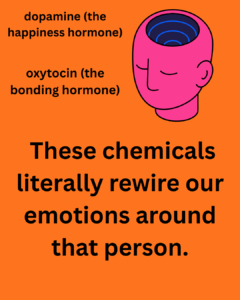
When we connect with someone — be it a parent, friend, partner, or mentor — our brains release chemicals like oxytocin (the bonding hormone) and dopamine (the happiness hormone). These chemicals literally rewire our emotions around that person.

So even when the relationship turns toxic or painful, those emotional circuits remain. The memories of comfort, affection, and safety are still stored in the brain — and the heart instinctively clings to them.

It’s not that we forget what they did.
It’s that our emotional biology was trained to see them as “home” once — and part of us still searches for that home, even in ruins.

The Human Instinct to Forgive

Humans are naturally forgiving beings. Deep within us lies the belief that love can transform pain. That maybe — if they understood, if they changed — everything would be fine again.

When we hear that someone who hurt us is struggling, ill, or broken themselves, our empathy reawakens. It’s the human heart’s way of saying:

“Even though you destroyed me, I still wish you healing.”

Forgiveness doesn’t mean acceptance of their actions; it’s an emotional reflex to release the heaviness inside us. Our hearts melt because, for a moment, compassion feels lighter than hatred.

The Emotional Ruin: When Their Decisions Cost Us Everything

Some people don’t just hurt us emotionally — they ruin chapters of our lives. Their selfish decisions might have broken our confidence, career, family, or future.
And yet, when we see them suffering, a part of us still aches for them.
Why?

Because deep down, we wish they had chosen better. Not just for us — but for themselves too.
We remember the potential of who they could have been before they became the person who hurt us.
That’s what makes the pain even deeper — it’s grief mixed with compassion.

The Mirror Effect: They Were Part of Our Identity

When we deeply love someone, their presence becomes part of our identity. Our choices, laughter, habits, even dreams — they all carry their reflection.
So when that bond breaks, we lose not just them, but a piece of ourselves.

When we hear about them again, our heart melts because it’s a reflection of our lost self too. It’s not always love for them — sometimes, it’s love for the version of us that existed when they were in our life.

 Emotional Psychology: The Power of Memory and Empathy

Psychologists explain that emotional memories are stored with powerful sensory links — voice tone, smell, words, moments. So, when we hear or see something related to that person, our brain recalls both the pain and the affection, confusing us emotionally.

Empathy, too, plays a major role. Our subconscious recognizes pain in others, even if they caused ours. We feel what they feel, which makes it impossible to stay indifferent — unless we’ve completely detached emotionally (which most people never fully do).

 The Strength Hidden in Softness

Many believe that melting hearts are weak. But truthfully, it’s a sign of immense emotional strength. To still have compassion after being wronged shows that pain didn’t poison your soul. It means your goodness survived.

Your tears, your softness — they don’t mean defeat.
They mean you’re human — capable of feeling deeply without turning bitter. That’s a rare strength in a world that teaches revenge faster than forgiveness.

 Healing Beyond the Melting Heart

Healing doesn’t mean becoming cold. It means learning to love with boundaries. You can wish them peace without welcoming their chaos back into your life.

Here’s how to emotionally protect yourself:

  1. Acknowledge your feelings: Don’t suppress that emotional melt. Accept it as part of your healing.

  2. Remember the full story: Not just their good parts — recall why you had to walk away.

  3. Redirect compassion inward: The love your heart gives others — give it to yourself now.

  4. Forgive for freedom, not for reunion: Forgive to lighten your heart, not to reopen doors.

  5. Pray for peace, not reconnection: Sometimes, blessings from afar are the most powerful closure.

Final Thoughts: Let the Heart Melt, But Don’t Let It Burn You

It’s okay to feel softness toward those who once shattered you. It doesn’t mean you want them back. It doesn’t mean you’ve forgotten the pain. It simply means your heart is pure — it knows how to feel without needing revenge.

Our hearts melt because they’re alive — and only the living hearts can feel deeply.

So, the next time your heart melts hearing their name, remind yourself:

“This is love transforming pain — not pain winning again.”

Let your compassion stay, but let your boundaries protect it. You’re allowed to be kind, even when life hasn’t been kind to you.

Conclusion

We melt for those who hurt us because emotional bonds, empathy, and forgiveness are part of human nature. It’s not weakness — it’s emotional intelligence. The key is to allow your heart to feel, but not to forget your worth. Healing is not about closing your heart, but about learning to love without losing yourself again.