74. Why Slow Living is Becoming the New Success Formula for Exhausted Parents

Why Slow Living is Becoming the New Success Formula for Exhausted Parents
 

Parenting today looks like a 24/7 responsibility where the day never really “ends.”
Moms and dads wake up already tired, spend the whole day juggling tasks, and go to sleep with a long list waiting for tomorrow. Between office deadlines, school schedules, house chores, emotional responsibilities, and the pressure to “do it all,” parents are collapsing silently.

In this fast-paced reality, slow living for parents has emerged as a powerful, healing lifestyle. It is not a luxury; it is survival. It is becoming the new definition of success for families who want peace, presence, and emotional balance.

This article explains what slow living truly means, why it’s essential today, and how parents can apply it in simple, practical ways.

What Is Slow Living for Parents?

Slow living does not tell you to quit your job or escape to a forest.
It simply teaches you to:

  • Live intentionally

  • Reduce unnecessary stress

  • Choose quality over quantity

  • Stay present with your children

  • Create emotional space

  • Replace chaos with calm

Slow living is about taking back control from the world’s speed and choosing a pace that protects your mental and emotional health.

For parents, it means:

  • Fewer commitments

  • More mindful routines

  • Less rushing

  • More connection

  • Less pressure

  • More joy in small moments

Slow living is not about doing less — it’s about doing what truly matters.

Why Modern Parents Are More Exhausted Than Ever

Even though technology has made life easier, parents today are more exhausted than previous generations. Here’s why:

1. The pressure to be “perfect.”

Social media tells parents how they should cook, dress, parent, teach, decorate, and celebrate. Everyone seems to be doing more, achieving more, and showing more. This creates silent, constant pressure.

2. Children have busier schedules than adults.

Tuitions, sports, extracurriculars, projects, exams — children today have calendar-packed days, and parents must manage everything.

3. No emotional breaks.

Parents move from task to task without mental rest, leading to burnout.

4. The digital world is always ON.

Notifications, messages, work emails, school groups — parents never get a true off-time.

5. Lack of family support.

Nuclear families mean parents handle everything alone.

All these factors drain the mind and body. Slow living is the antidote.

How Slow Living Reduces Parenting Burnout

Slow living doesn’t remove responsibilities — it reduces the stress that comes with them.

Here’s how it helps:

1. It Helps You Prioritize What Truly Matters

Parents often try to finish 20 tasks a day.
Slow living teaches you to choose 5 essential tasks, finish them peacefully, and feel satisfied.

This cuts down:

  • Mental overload

  • Anxiety

  • Decision fatigue

  • End-of-day guilt

  • Emotional exhaustion

When the mind becomes lighter, parenting becomes easier.

2. It Creates Calmer Routines That Reduce Chaos

A major source of parental stress is routine-based chaos:

  • Morning shouting

  • Rushing children

  • Nighttime exhaustion

  • Screen battles

  • Homework pressure

Slow living replaces rush with rhythm.

You introduce:

  • Predictable timings

  • Gentle transitions

  • Simple tasks

  • Breathable gaps

These small changes stabilize the household and make everyone less irritable.

3. It Allows Parents to Reconnect with Themselves

Many parents forget their identity beyond parenting:

  • What makes you happy?

  • When did you last rest without guilt?

  • What brings you peace?

Slow living gives parents the permission to pause.

Even 10 minutes a day of:

  • Silence

  • Tea time

  • Light stretching

  • Meditation

  • Journaling

  • A peaceful walk

…can bring emotional clarity that transforms the whole day.

4. It Reduces Sensory Overload for Both Parents and Kids

Homes today are full of:

  • Background noise

  • TV sounds

  • Phone alerts

  • Bright screens

  • Constant conversations

Slow living encourages a quieter home environment.
A calmer environment equals calmer behavior — for both children and parents.

Daily Slow Living Habits Parents Can Start Today

Here are practical, realistic habits parents can adopt even with a busy lifestyle:

1. Begin the Day with “10 Minutes of Slow”

Before touching your phone or rushing into tasks, spend 10 slow minutes:

  • Stretch

  • Drink water mindfully

  • Sit in silence

  • Step outside for fresh air

This tiny shift improves your emotional energy for the whole day.

2. Have One Digital-Free Family Hour

Turn off screens for everyone — including adults.

During this hour:

  • Play together

  • Read together

  • Cook together

  • Sit together

This builds deeper connection and teaches children emotional presence.

3. Follow the “3–3–3” Method to Reduce Mental Load

Write down:

  • 3 must-do tasks today

  • 3 tasks for the week

  • 3 long-term tasks

This reduces overwhelm and keeps you focused.

4. Simplify Your Home to Simplify Your Mind

Clutter increases anxiety.
Slow living encourages functional simplicity:

  • Fewer toys

  • Clear surfaces

  • Organized kitchen

  • Minimal wardrobe

This reduces daily stress for the entire family.

5. Add One Calming Parent Ritual

Your ritual can be:

  • Evening walk

  • Herbal tea

  • Skincare

  • 5-minute journaling

  • Music

  • Deep breathing

A ritual grounds you emotionally and reminds you that you are a human, not a machine.

How Slow Living Makes Parents More Successful

Success is not measured by how fast you move.
Success is measured by:

  • Clarity

  • Stability

  • Emotional strength

  • Decision-making

  • Happiness

  • Presence

Slow living increases all of these.

It makes parents:

  • More patient

  • More present with children

  • More emotionally balanced

  • More productive with less stress

  • More confident in decisions

  • More connected as a family

Slow living doesn’t slow down your success.
It strengthens the foundation that makes success possible.

Conclusion: A New Way of Parenting for a New World

Slow living for parents is not a fancy lifestyle.
It is a necessary shift in a fast world that burns out families emotionally.

Slowing down doesn’t mean doing less — it means living better.

When parents choose intention over hurry:

  • Homes become peaceful

  • Children become emotionally stable

  • Parents feel lighter

  • Routines become manageable

  • Life becomes meaningful again

Slow living is not a trend.
It is a return to the life parents were always meant to live — one filled with presence, balance, and genuine happiness.

https://mysticalmomworld.com/the-hidden-weight-we-carry-while-chasing-every-dream-for-our-children/

72. How to Stay Calm When Life Feels Completely Overwhelming

How to Stay Calm When Life Feels Completely Overwhelminghttps://mysticalmomworld.com/simple-living-big-dreams-my-journey-to-becoming-my-familys-first-billionaire/

Life does not always follow the smooth road we imagine. Some days are peaceful, but many days feel like a storm we did not prepare for. When responsibilities pile up, when emotions run high, and when our mind refuses to slow down, it becomes difficult to stay calm. In fact, the biggest challenge today is learning how to stay calm when life feels overwhelming, because modern life constantly pulls us in multiple directions.

Whether you are a parent, a working professional, a student, or someone simply trying to keep things together, it is normal to feel mentally exhausted. But the good news? You can regain control. Not by changing everything in your life instantly, but by changing how you respond to the chaos.

In this blog post, let’s explore powerful, practical, and emotionally soothing ways to stay calm when life feels overwhelming, even when everything seems out of place.

1. Accept That You Are Overwhelmed (Do Not Fight It)

Most people make the first mistake—they deny how they feel. They keep pushing, acting strong, avoiding their emotions. But emotional resistance creates more pressure.

Instead, pause and say to yourself:
“I am overwhelmed, and that’s okay.”

Acceptance immediately reduces internal tension. You don’t have to have everything figured out. You don’t have to handle everything perfectly. You just need to acknowledge the truth. This is the first step towards healing.

2. Slow Everything Down (Your Breath Controls Your Mind)

When life feels too much, your nervous system goes into survival mode. Your heartbeat increases. Your mind races. You lose clarity.

The fastest way to reset your system is through controlled breathing. Just 1–2 minutes is enough.

Try this simple technique:

  • Inhale for 4 seconds

  • Hold for 2 seconds

  • Exhale slowly for 6 seconds

  • Repeat 8–10 times

This activates the parasympathetic nervous system—the part of your body that signals safety and calmness. It’s scientifically proven. And it works every single time.

3. Write Down Everything That Is Scaring or Stressing You

When your mind feels cluttered, it is because too much is trapped inside your head.

Take a notebook or your phone and write:

  • What is stressing me right now?

  • What is out of my control?

  • What can I do in the next 24 hours?

Writing creates clarity. It separates emotional fear from real, solvable problems.

You will see that not everything requires immediate action. Some things only need space and patience.

This step alone helps many people stay calm when life feels overwhelming because a clear mind is always stronger than a crowded one.

4. Break Your Life Into Tiny, Manageable Pieces

When everything is happening all at once, the pressure feels unbearable. So don’t handle everything together.

Break your day into small steps:

  • One task at a time

  • One responsibility at a time

  • One decision at a time

Ask yourself:
“What is the next small thing I can do right now?”

It could be:

  • drinking water

  • replying to one message

  • arranging your bed

  • taking a shower

  • ordering groceries

  • preparing one simple meal

Small steps create big emotional shifts.

5. Say ‘No’ Without Feeling Guilty

When life is overwhelming, boundaries become your greatest strength.

You are not responsible for pleasing everyone. You are not a machine. You are not supposed to be available 24/7. Saying no does not make you selfish—it makes you human.

Try these gentle boundary sentences:

  • “I’m currently full with tasks; I’ll get back when I can.”

  • “I would love to help, but I’m not in a position to take more right now.”

Protecting your peace is not optional. It is essential.

6. Create a Daily Calm Ritual (Even 10 Minutes)

A ritual signals your brain that everything is under control. Choose one of the following and practice it daily:

  • Warm tea in silence

  • Short meditation

  • Reading one page of a book

  • Prayer or chanting

  • Sitting near a window observing nature

  • Light stretching or yoga

  • Listening to calming music

Consistency is more important than perfection. These simple rituals help you stay grounded and stay calm when life feels overwhelming.

7. Reduce Sensory Overload (Hidden Cause of Stress)

Modern life overstimulates your brain. Notifications, noise, screens, tasks—it never ends.

Reduce overload by:

  • Keeping your phone on silent

  • Muting unnecessary WhatsApp groups

  • Cleaning one corner of your home

  • Closing multiple tabs on your device

  • Spending 5 minutes without your phone

Your mind needs breathing space to function well. Sensory rest is the medicine for mental chaos.

8. Talk to One Safe Person

Human connection is healing. Sharing your feelings with someone who listens without judgement can instantly lighten your emotional load.

Choose:

  • a friend

  • a sibling

  • a spouse

  • a mentor

  • someone who brings comfort

Sometimes, hearing “I understand” is enough to help you stay calm when life feels overwhelming.

9. Remind Yourself That This Phase Is Temporary

No emotion lasts forever. No situation remains the same. You have survived hard days before, and you will survive this too.

Tell yourself:

  • “This is temporary.”

  • “I will get through this.”

  • “I am stronger than this moment.”

Your future self will thank you for not giving up on the difficult days.

10. Choose One Act of Kindness Towards Yourself Daily

Be gentle with yourself. You deserve softness, not harshness.

Give yourself:

  • a warm bath

  • rest

  • a favorite dessert

  • a walk

  • time to breathe

  • forgiveness

You are doing your best. And that is enough.

Final Words

Staying calm when life feels overwhelming is not about having a perfect life. It’s about learning how to navigate the chaos with compassion, clarity, and inner balance.

Whenever things feel too heavy, return to these steps. You are not alone. You are capable. And you will rise again, stronger and more centered.

https://mysticalmomworld.com/small-wins-big-peace-finding-happiness-in-unnoticed-moments/

71. When Life Feels Too Heavy and You’re Expected to Stay Strong

When Life Feels Too Heavy and You’re Expected to Stay Strong

There are moments in life when everything feels too heavy — responsibilities, emotions, finances, expectations, relationships, health, and uncertainty. As adults, we are taught to stay strong no matter what, keep moving even when we’re tired, smile even when we’re hurting, and act like everything is fine even when the world inside us is falling apart.

But here’s a truth we rarely admit out loud:
Sometimes, life becomes heavier than we can carry, and pretending to be strong becomes another burden.

This blog is for anyone going through that silent heaviness — the kind that you feel in your chest, in your breath, in your mind, and in your everyday life.

The Weight No One Sees

People often see your outside life — your job, house, children, routines, responsibilities.
They don’t see your sleepless nights, the thoughts running in circles, the anxiety before waking up, or the exhaustion that settles into your bones.

There’s a kind of heaviness that doesn’t show on your face:

  • carrying emotional wounds

  • taking care of others while ignoring yourself

  • pretending “I’m okay” when you’re not

  • trying to be strong because everyone depends on you

  • fighting battles no one knows about

This invisible heaviness is the most powerful kind — because only you feel it, and only you know how hard it is to keep going.

Life Doesn’t Slow Down, Even When You Want It To

Sometimes you want the world to pause.
Just a moment.
Just one breath of silence.

But life doesn’t stop:

  • bills continue

  • children need you

  • work demands your attention

  • family expects your presence

  • responsibilities pile up

You keep moving because you have no choice.
But inside, a voice whispers:
“I’m tired… deeply tired.”

This is not laziness.
This is emotional burnout.

The Expectation to Always Be Strong

You are the pillar of your home.
You are the emotional strength of your children.
You are often the peacemaker, the multitasker, the problem-solver, the caregiver.
And people assume —
“You’re strong. You can handle anything.”

But strength does not mean you do not break.
Strength means you break quietly, repair yourself silently, and still show up for everyone.

However, just because you manage everything doesn’t mean you don’t deserve to rest.
Even mountains need stillness.
Even oceans calm down.
Even the strongest hearts need healing.

The Emotional Load That Drains You

There’s something heavier than physical work — the emotional load you carry every day.
This load looks like:

  • overthinking every small decision

  • trying to please everyone

  • worrying about the future

  • handling disappointments

  • feeling unappreciated

  • sacrificing your needs

  • hiding your feelings

  • carrying childhood trauma silently

  • dealing with financial pressure

  • pretending to be emotionally stable for your family

All of this drains your inner energy, even if you’re not physically tired.

The Pain of Carrying Everything Alone

What hurts the most is not the workload —
it’s the feeling of carrying everything alone.

You may have people around you, but still feel lonely.
You may be surrounded by noise, but still feel unheard.
You may have family, but still feel unsupported.

Carrying emotional weight alone makes even the smallest tasks feel overwhelming.

This loneliness is not about people.
It is about emotional connection, support, and understanding — things you rarely receive, but constantly give.

When Even Small Things Start Feeling Big

When life becomes too heavy, even small things feel like mountains:

  • making breakfast

  • replying to messages

  • folding clothes

  • helping kids with homework

  • talking to others

  • stepping out of the house

  • facing the day with energy

This is not you being weak.
This is the effect of emotional overload.

Just like a phone battery drains faster when too many apps run in the background, your mind becomes exhausted when too many thoughts and responsibilities stay open at the same time.

You Don’t Have to Pretend Every Day

Let this blog remind you:

You don’t have to be strong every single day.
You don’t have to smile when you’re hurting.
You don’t have to keep giving when you’re empty.
You don’t have to pretend to be okay.

It’s okay to feel:

  • tired

  • disappointed

  • angry

  • overwhelmed

  • lost

  • broken

  • drained

These emotions do not make you weak.
They make you human.

What You’re Going Through Matters

Many times, you push your feelings aside because you think:

  • “Others have bigger problems.”

  • “I should be grateful.”

  • “I don’t want to burden anyone.”

  • “I don’t have time to feel.”

But pain is not a competition.
Struggle is not measured.
Suffering is not compared.

Whatever you’re going through is valid.
Your feelings matter.
Your experience matters.
You matter.

You Deserve a Pause — Not Because You’re Weak, But Because You’re Human

A pause doesn’t mean quitting.
It means breathing.
It means healing.
It means reminding yourself that you are not a machine.

Allow yourself moments of:

  • silence

  • rest

  • stillness

  • reflection

  • self-kindness

  • doing nothing

You deserve these moments just like everyone else.

When life gets heavy, it is not selfish to take a break.
It is essential.

You Are Not Failing — You Are Carrying Too Much

Read this slowly:

You are not failing.
You are carrying too much.
And you’re still moving.
That makes you stronger than you realise.

Your strength is not in the things you do effortlessly.
Your strength is in the things you do even when you’re exhausted, overwhelmed, and hurting.

One day, you’ll look back and realise —
Everything you survived has made you wiser, softer, deeper, and stronger.

Conclusion

Life becomes heavy for everyone at some point.
But some people — like you — carry more than others, give more than others, and continue to show up even when you’re breaking inside.

You deserve support.
You deserve understanding.
You deserve rest.
You deserve healing.
You deserve love — not only from others but also from yourself.

And remember:
You don’t have to be strong every day.
Some days, it’s enough to just breathe.

https://mysticalmomworld.com/why-modern-parenting-feels-heavier-than-ever-before/

41.When Life Feels Unfair: Struggling Hard But Still No Luck

https://mysticalmomworld.com/when-even-refilling-feels-like-a-task/When Life Feels Unfair: Struggling Hard But Still No Luck

There are phases in life when no matter how hard you try, nothing seems to work. You wake up every morning with hope, only to go to bed with disappointment. You give your best in every direction — work, relationships, family, responsibilities — but the results refuse to show up. It feels like the universe is testing you endlessly, while people who never took life seriously, who never had big dreams or responsibilities, are now living the kind of life you once prayed for.

You start to question your destiny.
You start to question your worth.
And the biggest pain of all — you start to compare your present struggle with their effortless success.

The Silent Battle Behind the Smile

Nobody sees how deeply the struggle cuts through your days. You carry a smile in front of the world, but inside, it feels like a storm that never settles. You might have been the topper in school, the most disciplined, the one with dreams beyond the small world you grew up in — yet life doesn’t seem to honor that dedication.

Meanwhile, those who once made fun of you for being too serious, too focused, or too emotional — they are now driving luxury cars, posting vacation pictures, and living in big apartments. You, on the other hand, are still figuring out how to make ends meet.

It hurts.
It burns quietly inside.
It questions every belief you had about hard work and destiny.

When Life Seems to Reward the Wrong People

Sometimes, it feels like life rewards the loud ones, the bold ones, the lucky ones — not the sincere ones. You might have followed every rule, been kind, been disciplined, been patient — but the people who cheated, manipulated, or just took shortcuts seem to be miles ahead.

You wonder — Is there something wrong with being good?
You doubt your values, your kindness, your efforts.
And that’s the dangerous part of the struggle — it doesn’t just test your patience; it tests your faith.

But the truth is, life isn’t a quick competition. The timing of everyone’s success is different. What you see as their “luxury life” might not really be luxury — it could be borrowed, it could be temporary, or it could be hollow inside. You, on the other hand, are building something that’s meant to last.

The Depth of Real Struggle

People often think struggle is just about money or career, but the real struggle lies within. It’s waking up despite no motivation. It’s holding on to hope when there is no sign of change. It’s keeping your morals clean when the world around you plays dirty.

You may not have wealth today, but your inner strength is growing in silence. You may not have luck, but you have endurance — and endurance always builds a different kind of destiny.

Luck can make someone rich.
But struggle — it makes someone unbreakable.

And maybe, just maybe, life is waiting to give you something far more meaningful than money — character, depth, and unshakable confidence.

The Invisible Reward of the Unseen Efforts

You might feel invisible right now — your efforts unnoticed, your dreams delayed. But remember, life has a strange way of balancing things. Sometimes, the universe delays certain blessings not to deny them, but to prepare you for them.

Because when you get what you truly deserve, it shouldn’t destroy you — it should strengthen you.
You’re not being punished; you’re being polished.

The people who seem lucky today might reach their peak early and fade out just as quickly. But those who grow slowly, through struggle, learn how to sustain success. You might not have seen your victory yet, but when it comes, it will be real — not a show, not luck, but the result of pure endurance.

How to Keep Walking When Life Isn’t in Favor

  1. Stop Comparing Your Journey:
    Everyone’s timeline is different. The seed of your life may take longer to bloom, but it will bloom stronger and more beautifully.

  2. Redefine Success:
    Sometimes, peace, self-respect, and emotional balance are greater luxuries than money. Count the blessings that others can’t buy.

  3. Trust the Process:
    Even when you don’t see results, keep moving. Every little step is counted — by life, by destiny, by karma.

  4. Stay Kind and Consistent:
    You might not get immediate rewards, but your goodness is your unseen asset. Never lose it for temporary wins.

  5. Take Breaks Without Giving Up:
    Rest is not quitting. You deserve to pause, breathe, and return stronger.

When You Are the Only One Fighting

It’s hard when no one understands what you’re going through. It’s harder when people judge you by your present condition, forgetting how much effort you’ve already given. But remember, you’re not alone. Millions are silently fighting similar battles — believing, waiting, and hoping.

You might not be “lucky” in the worldly sense, but you’re brave enough to survive when everything goes against you. That itself is a victory — a kind that doesn’t shine in the bank balance but glows deep in your soul.

Someday, It Will All Make Sense

There will come a day when the sleepless nights will be worth it, when every rejection will turn into redirection. The dots that now look scattered will connect into a meaningful pattern. And you’ll look back and realize — it wasn’t bad luck. It was just God’s slow preparation for your big moment.

The ones who rushed ahead might look back and admire your stability.
The ones who judged you will respect your patience.
And the world will finally see what only you believed in all along.

Until then — keep going.
You are not behind.
You are just on a path that requires a little more faith.

Conclusion

Life isn’t fair all the time. But every delay, every pain, every moment of loneliness is shaping you into the person you were meant to become. Your struggle is not your weakness — it’s your preparation for greatness.

So, even when luck doesn’t favor you, let perseverance be your prayer and patience be your power.

39.When You No Longer Feel Insecure While Your Life Partner Is Away

https://mysticalmomworld.com/why-every-mother-should-continue-to-groom-herself-confidence-self-worth/When You No Longer Feel Insecure While Your Life Partner Is Away

There was a time when his absence used to bother me.
When every missed call or late reply used to create a storm of questions inside my heart.
When I feared that someone, somewhere, might try to break the bond we had built over years of love, effort, and unspoken promises.

We have been together for more than eleven years now — through thick and thin, through endless disagreements and fights, through those silent treatments that lasted a day too long. There were people who tried to come between us, situations that tested our patience, and emotions that made us question everything. But somehow, we made it through — every time, stronger than before.

And today, something inside me feels peacefully different.
Because I no longer feel insecure.
Not anymore.

The Shift from Fear to Peace

In the early years of any relationship, especially in marriage, love often comes with a certain fear — the fear of losing the person you love the most. That fear silently grows into insecurity, especially when the person is away, surrounded by people who once tried to shake your foundation.

I used to carry that weight — wondering what he might be doing, who he might be talking to, whether he missed me or not. The heart races, the mind creates imaginary stories, and we end up hurting ourselves over things that don’t even exist.

But over time, something changes.
You grow.
You evolve.
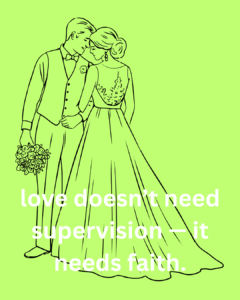
You start realizing that love doesn’t need supervision — it needs faith.

The Power of Emotional Maturity

It took years for me to reach this point of calm. Years of arguments, tears, misunderstandings, and reconciliations. But it also took a lot of emotional maturity — to understand that no amount of insecurity can protect a relationship; only trust can.

When your life partner chooses to stay, even after all the storms you both faced, it means something much deeper than words can explain. It means loyalty. It means effort. It means that the bond is real — not fragile, not conditional.

Now, when he’s away, I don’t overthink anymore.
I don’t scroll endlessly through my phone waiting for a message.
I don’t compare my life with others who live together every day.

Instead, I smile knowing he’s doing his part, fulfilling his responsibilities, and that our love doesn’t need constant reassurance.

From Attachment to Understanding

There’s a thin line between attachment and love.
Attachment makes you anxious — love makes you peaceful.
Attachment fears loss — love trusts the connection.

Earlier, I was attached to his presence. I couldn’t imagine my day without his physical company. But now, I understand the beauty of emotional presence. Even if we are miles apart, there’s a silent understanding that connects us — a comfort that doesn’t demand, but simply believes.

Maybe this is what true companionship feels like — the silence that speaks louder than constant words.

What Changed Over the Years

It wasn’t an overnight transformation.
It took time to learn, unlearn, and rebuild how I perceived love.

Here’s what I realized over time:

  1. Trust is not blind faith; it’s a decision — a choice you make every day despite the chaos.

  2. People change, but effort speaks louder than words — he showed through actions that our bond mattered.

  3. Love matures when both partners give each other space to breathe.

  4. Insecurity kills peace, but communication rebuilds confidence.

We had our share of storms — voices raised, tears shed, moments when silence became heavy. But every disagreement taught us something new about each other. We didn’t just stay together; we learned how to stay strong together.

The Gift of Inner Peace

Today, when he travels or works away from me, I feel at peace.
There’s a calmness that wraps around my heart.
I don’t feel the need to check, question, or doubt. I just know — that our bond has survived everything that once tried to break it.

It’s a liberating feeling — to be confident in your relationship, not because of what the other person does, but because of what you’ve become.
Secure.
Peaceful.
Emotionally grounded.

I think this is the kind of love everyone deserves — one that doesn’t demand constant proof but just exists quietly, beautifully, and faithfully.

When Trust Becomes the Foundation

Love is not about possession anymore. It’s about connection.
When trust becomes your foundation, no distance can shake it.
You stop questioning and start appreciating.

Now, I see his absence differently. I see it as a time to focus on myself, on my growth, my dreams, my peace. When he returns, I’m happier — not because he came back, but because I never doubted he would.

And that’s what makes all the difference.

Conclusion: A Relationship That Grew Beyond Insecurity

Insecurity is natural — but staying in that space forever is painful. Love teaches us to let go, to trust, and to evolve.

If there’s one thing my journey has taught me, it’s that peace comes when love stops being fearful.
When you no longer worry about who might try to come between you — because you know no one can.
When you no longer seek validation — because your bond itself is proof of your strength.

I no longer feel insecure when my partner is away — because I finally understand that love is not about proximity; it’s about trust, respect, and silent assurance.

And that realization… is the most peaceful feeling of all.

37.When Even Refilling Feels Like a Task

https://mysticalmomworld.com/why-patience-is-the-strongest-parenting-skill/When Even Refilling Feels Like a Task

There comes a phase in life when even the smallest acts feel like an uphill battle.
You wake up, look at the bike’s petrol meter, and sigh — not because the tank is empty, but because you are. You know it needs refilling, but somehow, you delay it. Not because you forgot, but because you don’t have the energy to care anymore.

It’s strange how life mirrors our exhaustion. The way you keep riding on low fuel, hoping somehow it’ll take you just one more mile — just one more day — before you finally stop. Maybe you tell yourself, “I’ll fill it tomorrow.”
But tomorrow comes, and so does another reason not to.

The Silent Struggle Behind Everyday Tasks

People see you going to work, smiling at familiar faces, taking care of responsibilities — but they don’t see the inner struggle of holding yourself together.
You keep showing up, but not because you’re full of energy or hope. You show up because you have no choice.

When life keeps demanding from you — time, patience, emotions, care — there comes a time when you have nothing left to offer.
You start avoiding even the smallest things — a call you don’t want to answer, a message you don’t have the energy to reply to, a conversation you’re too drained to continue.

The Meaning of “Empty Tank” in Life

There’s a deep truth in that small act of checking your bike’s petrol every time — it’s not about fuel, it’s about control.
You’re checking if you still have a little left in you to move forward, or if it’s time to stop.
You don’t want to refill — because refilling means effort, and effort means facing everything again.

Sometimes, you just wish the tank would run empty on its own, so you could stop without guilt. Because it’s easier to stop when you’re forced to, than when you choose to.

The Exhaustion No One Understands

People think exhaustion comes from work or stress. But no — real exhaustion comes from living without being seen, without being understood, without being helped.
You keep doing things for others — family, work, society — but when it’s time for someone to refill you, the world suddenly goes silent.

You become your own push, your own reason, your own rescuer — till even that self starts running on fumes. You keep checking if you’re still “okay,” but deep inside, you know — you’re running on empty.

When Life Has to Push You

You start realizing that sometimes, life itself has to push you.
It gives you signs — a sudden breakdown, an unexpected failure, a quiet night where you burst into tears for no reason — that’s life’s way of saying, “Stop. Refuel. Rest.”
But we don’t listen. We just keep riding, pretending everything’s fine, ignoring the red light blinking inside.

And one day, when you can’t move anymore, you finally understand — life was never asking you to quit; it was asking you to pause.

The Guilt of Doing Nothing

In today’s world, even taking a break feels wrong.
When you stop, your mind starts whispering — “You’re wasting time… others are doing so much more.”
But they don’t know the battles you fight silently. They don’t see that waking up, breathing, surviving another day — sometimes that’s your biggest victory.

So what if your tank is empty? So what if you’re too tired to refill?
You’re still standing. That itself is enough for now.

Finding Peace in Stillness

Sometimes, life doesn’t need more movement — it needs stillness.
Sit by yourself. Feel your breath. Don’t think about who’s moving faster or who has more fuel.
This pause is not failure; it’s healing.

Your soul is asking for time — time to rebuild, to feel again, to find meaning beyond daily struggles. Don’t fight it. Allow yourself to slow down.

Because when you refill your soul, not your schedule, that’s when real energy returns.

From Exhausted to Enlightened

Every breakdown teaches you something — that your body, your mind, your spirit all have limits.
The same way your bike can’t run forever without fuel, you can’t keep giving without receiving. You can’t keep running on empty.

You don’t need a grand reason to take care of yourself.
Sometimes, you just need a reminder that you matter too.
That your exhaustion isn’t weakness; it’s proof of how much you’ve carried, how long you’ve held on, and how far you’ve come.

The Quiet Message of an Empty Tank

So next time you check your petrol and sigh — smile instead.
Because that small act says something powerful: you’re aware. You’re still here.
Even if you’re tired, even if you can’t refill today — you’re still moving somehow. And that means life hasn’t given up on you yet.

Maybe one day, you’ll find the strength to refill again — not just your bike, but your soul.
Till then, let life push you a little.
Because even when you run out of fuel, hope finds a way to start the engine again.

Conclusion

Exhaustion doesn’t mean you’re weak. It means you’ve been strong for too long.
And even if you’re riding on an empty tank today, remember — this phase is not your end. It’s just life asking you to stop, breathe, and find your way back to yourself.

21.What I Realized About Life While Sitting Alone With a Cup of Tea

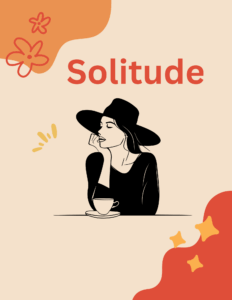
It was a quiet evening — the kind that rarely happens in our busy lives. The world outside was slowly fading into twilight, and the hum of daily noise was beginning to rest. I found myself sitting by the window with a simple cup of tea. The steam rose gently, carrying with it a familiar aroma that always reminded me of home, peace, and something timeless.

For the first time in a long while, I wasn’t scrolling, planning, or worrying. I was just being. And in that still moment, I realized — life isn’t asking us to do more; it’s asking us to feel more.

1. Life Doesn’t Need to Be Rushed

We live in a world that glorifies speed. “Faster, better, more” — that’s what we keep hearing. I’ve spent so many mornings running behind things — success, recognition, relationships — believing that the faster I move, the closer I’ll get to happiness.

But sitting there, tea warming my palms, I realized something profoundly simple — life isn’t a race. It’s a rhythm.

Every sip reminded me that slowing down doesn’t mean you’re falling behind. It means you’re allowing life to catch up to you. The sunset outside wasn’t in a hurry. The birds weren’t competing. Everything was simply existing, and that was enough.

We often forget that peace is found not in the finish line, but in the pauses between our breaths.

2. Solitude Isn’t Loneliness — It’s Connection With Yourself

Many people fear solitude. I used to, too. Sitting alone once meant overthinking, boredom, or emotional emptiness. But that evening was different. The silence didn’t feel empty — it felt full.

As I sat there, I began to hear my thoughts — not the loud, anxious ones, but the quiet whispers that usually get buried under daily chaos. I listened to the things my heart wanted to say but never got the chance to.

That’s when I understood: solitude isn’t loneliness; it’s self-connection.
It’s in these quiet moments that you realize how much you’ve grown, what truly matters, and what you’ve been avoiding.

Being alone teaches you how to be whole without needing constant company — and that’s one of the greatest forms of strength.

3. The Little Things Are Actually the Big Things

In the rush of life, we often chase after grand moments — promotions, vacations, milestones, applause. But as I sat with my tea, I noticed how happiness was already sitting beside me, quietly disguised in small, ordinary details.

The warmth of the cup.
The golden light filtering through the curtain.
The distant laughter of children playing outside.

These were the small things I often ignored, yet they carried the deepest peace. Life doesn’t always shout its beauty; sometimes it whispers. You just need to slow down enough to hear it.

That day, I realized — the magic of life is not in extraordinary events, but in ordinary moments felt deeply.

4. Healing Happens in Silence

For years, I thought healing required effort — journaling, talking, fixing, doing. But that day, I found healing in complete stillness.

There was no music, no distraction, just the quiet sound of my own breath and the soft clink of my cup. And slowly, something within me began to relax.

I realized that healing isn’t always about mending the broken parts; sometimes, it’s about sitting with them, acknowledging them, and allowing them to exist without judgment.

Peace doesn’t always come through change. Sometimes, it comes through acceptance — accepting that it’s okay to be where you are, that your heart doesn’t always have to be strong, and that just breathing through the moment is enough.

5. Gratitude Changes Everything

As the last sip of tea touched my lips, I felt an unexpected wave of gratitude. Not for something big or new — just for being.

I felt thankful for the silence, for my breath, for that cup of tea that had turned into a teacher. Gratitude doesn’t always come from abundance; it often grows from awareness.

That moment made me realize that happiness isn’t built on external achievements but on internal appreciation. Gratitude turns ordinary experiences into blessings. It makes your heart lighter and your mind calmer.

Even a simple cup of tea, when experienced mindfully, can become a reminder that life is already enough.

6. Presence Is the Purest Form of Peace

Most of us live either in the past — replaying what hurt us — or in the future — worrying about what might happen. But the present moment is where life truly lives.

That evening taught me that presence doesn’t require effort. It simply requires attention. Attention to your breath, your surroundings, your thoughts, your sensations.

When you become fully present, everything slows down — even your heartbeat feels like it’s in sync with the world.

In that still space, I realized — peace was never missing. I was just too distracted to notice it.

7. You Don’t Need Much To Be Content

We often believe we need more — more money, more success, more things — to feel fulfilled. But that day, I had nothing new, nothing exciting, and yet, I felt complete.

The simplicity of that moment reminded me that contentment doesn’t come from possessions, but from perspective.
You can have everything and still feel empty, or have very little and feel rich.

True wealth lies in being able to sit quietly and feel at ease within your own skin.

Final Reflection: The Cup That Spoke Without Words

When I finished my tea, I didn’t rush to wash the cup or grab my phone. I just sat there — smiling softly, feeling grateful for the quiet wisdom that had unfolded before me.

That small moment of solitude became a turning point in how I viewed life. I realized that peace doesn’t arrive in grand gestures or perfect plans — it shows up quietly, often disguised as something simple, like tea on an ordinary evening.

From that day on, whenever life felt overwhelming, I reminded myself:
“All you need is a pause, a breath, and a warm cup to hold.”

Because sometimes, the most profound lessons come not from the noise of the world, but from the calm conversation between your soul and silence.

“Sometimes, the world doesn’t need you to move faster — it just needs you to sit still, sip your tea, and remember who you are.”