82. When Nothing Falls in Place: How to Stay Strong When Life Feels Difficult With Kids

When Nothing Falls in Place: How to Stay Strong When Life Feels Difficult With Kids
There are days when life feels impossibly heavy. Days when you wake up already tired, when nothing seems to fall in place, when you look at your kids and wonder why everything feels so overwhelming. You try to give them the best, you try to keep the home running, you try to keep your emotions steady—but still, things slip, chaos returns, and your heart feels stretched beyond its limits.

If you are going through a phase where life feels difficult with kids, you are not alone. Parenting is beautiful, yes, but it is also one of the most emotionally demanding journeys a human can experience. This blog is a reminder that your feelings are valid, your struggles are real, and you are doing better than you think.

Let’s explore why these phases happen, how to stay emotionally stable, and how to create small shifts that lead to big changes.

Why Life Feels Difficult When Everything Seems Out of Place

Every parent experiences a time when nothing feels aligned. Maybe your kids are going through emotional highs, tantrums, or stubborn phases. Maybe your home feels disorganized no matter how much you try. Maybe your personal life—career, finances, goals—feels paused because parenting takes up every corner of your mind.

There are a few reasons this feeling becomes intense:

1. Emotional overload

Kids carry unpredictable emotions. When their moods shift constantly, your internal balance shakes. You may feel like you’re never doing enough.

2. Lack of personal time

When you continuously pour into your kids without refilling yourself, life begins to feel heavier.

3. Expectations vs. reality

Parents imagine a certain life with kids—peaceful, loving, organized. But real life is messy and loud, and this gap creates frustration.

4. Silent sacrifices

You give up sleep, hobbies, dreams, outings, and mental space. These sacrifices accumulate and create emotional fatigue.

It’s Not Just You—Every Parent Goes Through Difficult Seasons

Every phase of parenting comes with unique challenges:

  • When kids are toddlers, their demands drain you.

  • When they grow older, their emotional needs become complex.

  • When they become teenagers, misunderstandings and friction rise.

Each stage is beautiful. Each stage is hard.

The problem starts when parents suffer in silence, thinking others are doing better. But behind every smiling family photo lies a story of tired parents holding everything together.

You are not failing. You are simply going through a season of growth—yours and your children’s.

How to Stay Strong When Life Feels Difficult With Kids

Here are gentle, practical steps that bring emotional clarity and balance.

1. Accept That You Cannot Control Everything

This is the hardest truth for parents:
You cannot make everything perfect.

Kids will be messy.
Days will be chaotic.
Plans will fall apart.

When you release the pressure of perfection, your mind breathes again.

2. Remember That This Phase Is Temporary

Every difficult season eventually becomes a memory.
The tantrums, the sleepless nights, the frustration—they don’t last forever.

Sometimes parents panic because they feel:

“Is this how my life will always be?”

No. This is just a chapter, not your whole story.

3. Talk to Your Kids—They Understand More Than You Think

Kids may not understand adulthood, but they do understand emotions.
If they are old enough to speak, they are old enough to understand:

  • “I am feeling tired today.”

  • “I need five minutes to breathe.”

  • “Let’s calm down together.”

Children mirror what they see.
Calmness teaches calmness.
Honesty teaches honesty.

4. Take Micro-Breaks Instead of Waiting for a Big Break

You don’t need a vacation to feel better.
You need tiny moments of rest.

Examples:

  • A 3-minute breathing break

  • Sitting silently for 2 minutes

  • A short walk outside

  • Listening to your favorite song

  • Drinking tea without rushing

Micro-breaks recharge the nervous system and reduce emotional overload.

5. Lower Your Expectations and Celebrate Small Wins

Your house doesn’t have to be spotless.
Your kids don’t have to behave perfectly.
You don’t have to finish every task today.

Instead, focus on:

  • One task completed

  • One moment of peace

  • One smile from your child

  • One meaningful conversation

Small wins build emotional strength and dissolve guilt.

6. Ask for Help—It Is Not a Weakness

Parents often feel guilty asking for help, but support is essential.
Ask your partner, parents, siblings, or friends for small support like:

  • Taking the kids for an hour

  • Helping with meals

  • Listening without judgment

Strong parents are not the ones who do everything alone.
They are the ones who know when to share the load.

7. Connect With Other Parents

Talking to people who understand your journey brings relief.
Many parents are walking through the same struggles but hiding them behind controlled smiles.

You will feel lighter when you know you are not alone.

8. Create Predictable Routines

Kids thrive on structure.
When routines are consistent, emotional chaos reduces.

Try simple routines:

  • A calm morning ritual

  • A simple bedtime schedule

  • A fixed screen-time rule

  • Family mealtimes

Predictability brings peace.

9. Take Care of Yourself Without Feeling Guilty

You cannot pour from an empty heart.

Self-care is not selfish.
Self-care is survival.

Choose one thing every day that nourishes you:

  • Reading

  • Walking

  • Meditation

  • Skin care

  • Journaling

  • Talking to someone you trust

When you take care of yourself, you show up better for your children.

A Reminder Every Parent Needs to Hear

You love your kids deeply, but that does not mean you must feel strong every day.

Some days you will cry.
Some days you will shout.
Some days you will feel lost.

That does not make you a bad parent.
That makes you human.

Your children do not need a perfect parent.
They need a present, loving, honest parent—and you already are one.

Final Thoughts: You Are Stronger Than This Phase

When life feels difficult with kids, it’s easy to blame yourself or feel helpless. But this chapter will eventually settle. You will rebuild balance step by step. You and your children will grow through this together.

One day you will look back and realize—

You didn’t break.
You evolved.
You became a stronger, softer, wiser version of yourself.

And your kids will always remember the parent who never gave up on them—even on the days when nothing fell in place.

https://mysticalmomworld.com/why-emotional-exhaustion-hits-parents-harder-than-anyone-imagines/

79. Understanding Someone’s Struggle: A Powerful Shift in How We See Life

Understanding Someone’s Struggle: A Powerful Shift in How We See Life

Understanding someone’s struggle can change the entire way you look at life. Many people carry pain that they never talk about. When you learn about their journey, your heart opens in a different way. Even if you are someone who rarely cries, someone who believes nothing can crack your emotional shell, the truth behind another person’s story can shake you deeply.

When you finally understand what someone has gone through, your perspective softens. You begin to see life with more awareness, more gratitude, and more empathy. This is the true impact of understanding someone’s struggle.

Why Understanding Someone’s Struggle Matters

Every single person carries a hidden story. Some have faced loss. Some survived loneliness. Some dealt with trauma. Some grew up fighting battles that would break others. These stories are often silent, but they shape who the person becomes.

When we take a moment to understand someone’s struggle, everything changes.
We stop judging.
We stop assuming.
We start listening.

Empathy grows naturally when we see the truth behind someone’s strength.

Strength Looks Different When You Know the Story Behind It

Many people appear confident or strong, but their strength often comes from surviving pain. They learned resilience because life forced them to grow before their time. When you finally hear their story, you understand that their strength is not natural—it is earned.

Understanding someone’s struggle helps you see their bravery. It helps you respect their journey. It teaches you that the strongest people are often the ones who had no choice but to stand tall.

A Hard Shell Is Not Always Emotional Strength

Some people believe they are emotionally tough because they do not cry easily. They think they are a hard shell no one can break. But real life proves this wrong.

The truth is, your hard shell exists because you never allowed yourself to feel deeply. But when you hear about someone’s long-term pain and their quiet suffering, something inside you begins to change. You realize that strength is not about holding back tears. Strength is about allowing yourself to understand emotional truth.

This is why understanding someone’s struggle becomes a powerful emotional awakening.

The Hidden Battles People Fight Every Day

People fight silent battles every day—battles that others may never see. Some of these battles include:

  • Dealing with childhood trauma

  • Growing up without support

  • Facing financial hardship

  • Losing loved ones

  • Surviving emotional abuse

  • Holding a family together alone

  • Living with mental stress quietly

When you listen to someone share these experiences, you begin to see life differently. You realise how much pain a single smile can hide.

Understanding someone’s struggle makes you more aware of these silent battles. It helps you move through life with more kindness.

Life Looks Different When You Understand Someone’s Struggle

Your entire perspective shifts when you learn the truth behind a person’s journey. Suddenly:

  • You appreciate your life more

  • You complain less

  • You judge less

  • You express gratitude naturally

  • You value relationships

  • You become gentle in your words

  • You observe before reacting

This change happens because empathy wakes up a deeper understanding within you. You start seeing people as human beings, not just faces you interact with.

Empathy Does Not Make You Weak — It Makes You Strong

One of the biggest myths is that showing emotion makes you weak. In reality, empathy makes you stronger. It means you have the capacity to understand pain, even when you did not experience it directly.

When you understand someone’s struggle, you develop emotional maturity. You learn to handle situations calmly. You gain the ability to respond instead of reacting. These are signs of true strength.

Empathy is not about absorbing pain; it is about acknowledging it respectfully.

Understanding Someone’s Struggle Makes You More Grateful

Life feels different when you understand someone else’s hardships. Suddenly, small problems do not feel big anymore. You start appreciating the simplest things:

  • Peace in your home

  • A normal day

  • Food on the table

  • The presence of loved ones

  • Your health

  • Your opportunities

Gratitude becomes natural because you realise not everyone has these blessings.

This is one of the most powerful outcomes of truly understanding someone’s struggle.

A Softer Heart Is Not a Weak Heart

When life teaches you empathy, your heart becomes softer. But this softness is not weakness—it is wisdom. It is awareness. It is the maturity to see beyond surface behaviour.

You become the kind of person who listens patiently, speaks gently, and understands silently. Your emotional depth increases, and you begin to appreciate the value of every human story.

Kindness becomes your default response.

Final Thoughts: Everyone Is Carrying Something

Everyone you meet carries a burden you cannot see. Some people have survived storms. Some are still walking through them. When you make an effort to understand their struggle, you become a more compassionate human being.

Approach people with kindness.
Treat them with softness.
Give them space to heal.

Because understanding someone’s struggle does not just help them—it transforms your life too.

https://mysticalmomworld.com/when-life-takes-unexpected-turns-staying-strong-when-everything-feels-uncertain/

71. When Life Feels Too Heavy and You’re Expected to Stay Strong

When Life Feels Too Heavy and You’re Expected to Stay Strong

There are moments in life when everything feels too heavy — responsibilities, emotions, finances, expectations, relationships, health, and uncertainty. As adults, we are taught to stay strong no matter what, keep moving even when we’re tired, smile even when we’re hurting, and act like everything is fine even when the world inside us is falling apart.

But here’s a truth we rarely admit out loud:
Sometimes, life becomes heavier than we can carry, and pretending to be strong becomes another burden.

This blog is for anyone going through that silent heaviness — the kind that you feel in your chest, in your breath, in your mind, and in your everyday life.

The Weight No One Sees

People often see your outside life — your job, house, children, routines, responsibilities.
They don’t see your sleepless nights, the thoughts running in circles, the anxiety before waking up, or the exhaustion that settles into your bones.

There’s a kind of heaviness that doesn’t show on your face:

  • carrying emotional wounds

  • taking care of others while ignoring yourself

  • pretending “I’m okay” when you’re not

  • trying to be strong because everyone depends on you

  • fighting battles no one knows about

This invisible heaviness is the most powerful kind — because only you feel it, and only you know how hard it is to keep going.

Life Doesn’t Slow Down, Even When You Want It To

Sometimes you want the world to pause.
Just a moment.
Just one breath of silence.

But life doesn’t stop:

  • bills continue

  • children need you

  • work demands your attention

  • family expects your presence

  • responsibilities pile up

You keep moving because you have no choice.
But inside, a voice whispers:
“I’m tired… deeply tired.”

This is not laziness.
This is emotional burnout.

The Expectation to Always Be Strong

You are the pillar of your home.
You are the emotional strength of your children.
You are often the peacemaker, the multitasker, the problem-solver, the caregiver.
And people assume —
“You’re strong. You can handle anything.”

But strength does not mean you do not break.
Strength means you break quietly, repair yourself silently, and still show up for everyone.

However, just because you manage everything doesn’t mean you don’t deserve to rest.
Even mountains need stillness.
Even oceans calm down.
Even the strongest hearts need healing.

The Emotional Load That Drains You

There’s something heavier than physical work — the emotional load you carry every day.
This load looks like:

  • overthinking every small decision

  • trying to please everyone

  • worrying about the future

  • handling disappointments

  • feeling unappreciated

  • sacrificing your needs

  • hiding your feelings

  • carrying childhood trauma silently

  • dealing with financial pressure

  • pretending to be emotionally stable for your family

All of this drains your inner energy, even if you’re not physically tired.

The Pain of Carrying Everything Alone

What hurts the most is not the workload —
it’s the feeling of carrying everything alone.

You may have people around you, but still feel lonely.
You may be surrounded by noise, but still feel unheard.
You may have family, but still feel unsupported.

Carrying emotional weight alone makes even the smallest tasks feel overwhelming.

This loneliness is not about people.
It is about emotional connection, support, and understanding — things you rarely receive, but constantly give.

When Even Small Things Start Feeling Big

When life becomes too heavy, even small things feel like mountains:

  • making breakfast

  • replying to messages

  • folding clothes

  • helping kids with homework

  • talking to others

  • stepping out of the house

  • facing the day with energy

This is not you being weak.
This is the effect of emotional overload.

Just like a phone battery drains faster when too many apps run in the background, your mind becomes exhausted when too many thoughts and responsibilities stay open at the same time.

You Don’t Have to Pretend Every Day

Let this blog remind you:

You don’t have to be strong every single day.
You don’t have to smile when you’re hurting.
You don’t have to keep giving when you’re empty.
You don’t have to pretend to be okay.

It’s okay to feel:

  • tired

  • disappointed

  • angry

  • overwhelmed

  • lost

  • broken

  • drained

These emotions do not make you weak.
They make you human.

What You’re Going Through Matters

Many times, you push your feelings aside because you think:

  • “Others have bigger problems.”

  • “I should be grateful.”

  • “I don’t want to burden anyone.”

  • “I don’t have time to feel.”

But pain is not a competition.
Struggle is not measured.
Suffering is not compared.

Whatever you’re going through is valid.
Your feelings matter.
Your experience matters.
You matter.

You Deserve a Pause — Not Because You’re Weak, But Because You’re Human

A pause doesn’t mean quitting.
It means breathing.
It means healing.
It means reminding yourself that you are not a machine.

Allow yourself moments of:

  • silence

  • rest

  • stillness

  • reflection

  • self-kindness

  • doing nothing

You deserve these moments just like everyone else.

When life gets heavy, it is not selfish to take a break.
It is essential.

You Are Not Failing — You Are Carrying Too Much

Read this slowly:

You are not failing.
You are carrying too much.
And you’re still moving.
That makes you stronger than you realise.

Your strength is not in the things you do effortlessly.
Your strength is in the things you do even when you’re exhausted, overwhelmed, and hurting.

One day, you’ll look back and realise —
Everything you survived has made you wiser, softer, deeper, and stronger.

Conclusion

Life becomes heavy for everyone at some point.
But some people — like you — carry more than others, give more than others, and continue to show up even when you’re breaking inside.

You deserve support.
You deserve understanding.
You deserve rest.
You deserve healing.
You deserve love — not only from others but also from yourself.

And remember:
You don’t have to be strong every day.
Some days, it’s enough to just breathe.

https://mysticalmomworld.com/why-modern-parenting-feels-heavier-than-ever-before/

66. The Courage to Start Again – Rebuilding When No One Believes in You

https://mysticalmomworld.com/when-you-no-longer-feel-insecure-while-your-life-partner-is-away/The Courage to Start Again – Rebuilding When No One Believes in You

There comes a point in life when everything feels heavy — dreams slip away, relationships break, opportunities disappear, and the people you trusted most stop believing in you. In those moments, starting again feels impossible. The world may look at you and think you’ve fallen too far, failed too much, or lost your way.

But here’s the truth people rarely talk about:
Every strong person you admire once stood exactly where you are — on the edge of giving up, with no one cheering for them.

The courage to start again doesn’t come from outside validation. It comes from a quiet inner voice whispering, “Try one more time. You’re not done yet.”

This blog is about finding that courage, nurturing it, and using it to rebuild your life — even when nobody believes in you.

1. When Support Fades, Self-Belief Must Rise

We grow up expecting someone to guide us, encourage us, or hold our hand when we fall. But life has a strange way of teaching us independence.

There will be seasons when:

  • Friends disappear

  • Family doubts your decisions

  • People judge your failures

  • Some even mock your dreams

In those moments, it’s easy to believe their words. But remember — people see only the chapter you’re in, not the entire story you’re capable of writing.

Self-belief becomes your anchor.
When no one stands by you, you learn to stand by yourself. That is the beginning of true courage.

2. Failure Is Not the End — It’s the Foundation

Most people hide their failures because they’re afraid of being judged. But failing is not evidence of weakness. It’s evidence of growth.

When something breaks in your life — a plan, a relationship, a career — the universe isn’t closing a door. It’s redirecting you.

Ask yourself:

  • What did this failure teach me?

  • Who am I becoming through this?

  • How can this experience shape a stronger version of me?

Once you shift your perspective, failure transforms from an obstacle into a foundation.

You don’t rise despite failure — you rise because of it.

3. Letting Go of the Version of You That Others Expect

People often hold you hostage to your past. They remember your mistakes, not your lessons. They see your flaws, not your effort.
And the more you try to prove yourself to them, the more you lose yourself.

You don’t owe anyone proof.
You don’t have to meet the expectations that others set for you.
Your journey is yours — personal, messy, beautiful, and unique.

Letting go of who others want you to be is the first step toward becoming who you’re meant to be.

4. Finding Strength in Silence

When life falls apart, silence becomes painful. You feel alone with your thoughts, your guilt, your fears.
But silence is also where clarity grows.

In silence, you reconnect with yourself.
You remember what you truly want, not what you were pressured to chase.
You discover dreams buried under years of noise.

Use stillness to listen to your heart again. It always knows the way, even when the world doesn’t.

5. Taking the First Step — Even if It’s Small

Starting again doesn’t mean making huge, dramatic changes overnight.
It means taking one small step, even when you’re scared.

  • Apply for one job

  • Start saving one rupee

  • Write one page

  • Practice one skill

  • Make one phone call

  • Set one daily goal

Small steps create momentum. Momentum creates progress. And progress brings back belief — first your own, then the world’s.

6. Surrounding Yourself With the Right Energy

You don’t need a crowd to believe in you — just one right person or the right mindset.

Protect your energy by choosing:

  • People who encourage, not compare

  • Conversations that uplift, not drain

  • Spaces that give peace, not anxiety

If you don’t have supportive people yet, don’t worry.
For now, be your own supporter.
Be your own cheerleader.
Be the person you wish you had.

Soon, the right people will be drawn to your growth.

7. Rebuilding With Wisdom, Not Rush

When starting again, slow is strong. You’re not the same person you were before. You’re wiser, more aware, more grounded.

So rebuild carefully:

  • Set goals that align with your soul

  • Create routines that nourish your mental health

  • Choose paths that bring long-term peace, not temporary excitement

  • Invest in yourself — physically, mentally, emotionally, spiritually

This time, build a life that feels good from the inside, not one that simply looks good from the outside.

8. Turning Pain Into Power

Everyone who doubts you today will one day say, “I always knew you could do it.”
Not because they believed in you —
but because you believed in yourself even when they didn’t.

Let every moment of rejection push you closer to self-trust.
Let every disappointment strengthen your resilience.
Let every fear remind you of the courage you’re capable of.

Your pain is not your weakness.
It is your turning point.
It is the fire that will shape your strongest self.

Conclusion

Starting again is not a sign of failure.
It is a sign of courage.
A sign that you refuse to give up on yourself.

When no one believes in you, let that be the moment you start believing in yourself harder.
Because one day, you’ll look back and realize —
this restart wasn’t the end of your story.
It was the beginning of the chapter where you became unstoppable.

Keep going.
Your comeback is already on its way.

45.When Love Turns Into Betrayal: The Pain of Realizing It Was All Fake

https://mysticalmomworld.com/when-life-shows-flashbacks-in-the-present/When Love Turns Into Betrayal: The Pain of Realizing It Was All Fake

There comes a time in life when silence screams louder than words, when the eyes stop hoping for understanding, and when the heart finally realizes—it was all fake.
You spent decades believing in someone, standing by his side through storms, celebrating his wins like they were your own, forgiving every mistake, and trusting every word he said. You thought he was your home, your world, your peace. But one day, everything you built in faith begins to crumble, and you see the truth behind the mask.

He used your loyalty like a blindfold, keeping you away from reality. He convinced you that you were his priority, that no one else mattered as much as you did. But now, the truth is standing right in front of you—he was never yours the way you were his.

The Moment of Realization

It starts as a whisper—a small doubt that creeps into your heart. Maybe he didn’t defend you when others insulted you. Maybe he preferred the company of those who once hurt you. Maybe he smiled when you cried.

And then, the pieces begin to fit. You realize that the same people who broke your soul were always protected by him. The ones who pulled your life away from peace and dignity were always his “important ones.”
You begin to understand that you were never truly loved, only used—for convenience, comfort, and control.

You were the shadow that carried his world, the emotional support that never ran out, the silent strength he took for granted.

The Pain Behind the Smile

It hurts in ways words cannot describe.
You smile because you must, not because you can. You stand tall because life doesn’t allow you to fall again. You hide your pain behind daily chores, behind small talks, behind that one forced laugh at the dinner table.

You remember how he once said, “You are my everything.”
But now, you watch him treat everyone else like they are his “everything” — the ones who never stood by him, who never knew his struggles, who only appeared when life became easy.

It breaks you quietly. The betrayal doesn’t come with loud fights or dramatic scenes. It comes in moments of realization—when you see him defend someone else’s actions but ignore your tears. When you hear him say “they mean a lot to me” about people who once destroyed your peace.

When Love Becomes a Lie

Love, once sacred and divine, now feels like a manipulation tool. You think of the years you gave, the sacrifices you made, the countless times you stood alone to protect what you thought was a bond.

And now, you question everything:
Was any of it real?
Did he ever love you?
Or were you just a chapter in his story of self-importance?

You look back and realize how he made you believe that being silent was strength, that forgiving was your duty, that your pain was a small price to pay for “peace.”

But peace that demands your self-respect isn’t peace—it’s emotional slavery disguised as love.

The Turning Point — From Betrayal to Awakening

Betrayal doesn’t destroy you—it awakens you.
The moment you stop searching for reasons, you begin to heal.
You realize that you were never weak—you were loyal. You were never foolish—you were pure. And sometimes, purity gets crushed in a world that glorifies pretenders.

The healing begins when you stop blaming yourself.
When you stop asking, “Why me?”
And start saying, “Thank you for showing me your truth.”

Yes, it hurts. It feels like losing a part of your soul. But in truth, you are losing only the illusion. The real you—the strong, kind, and forgiving soul—is still there, waiting to rise.

Finding Yourself Again

You start reclaiming your peace, one small step at a time.
You stop explaining yourself to those who never tried to understand.
You stop chasing people who ran away when you needed them the most.
And you start loving yourself—without guilt, without apology.

You find peace in your silence.
You find comfort in your own company.
You find purpose in your pain.

Because pain, when accepted, becomes power.
It teaches you who you are when the world turns its back on you.

The Final Acceptance

There is no revenge greater than moving on without bitterness.
No punishment sharper than showing indifference.
And no freedom deeper than forgiving without needing closure.

You no longer wait for his explanation.
You no longer beg for validation.
You no longer cry for what’s gone.

Because the moment you accept that it was fake, you free yourself from the cage of false hope.
He may never understand what he lost, but you will forever know what you found—yourself.

The Lesson of a Lifetime

Love is not about who stays in good times; it’s about who stands in your defense when the world turns cruel.
It’s about who holds your hand when the same world they protect is the one that destroyed you.

So, when you feel betrayed, remember—you didn’t lose love, you lost illusion.
You didn’t fail as a partner; you succeeded as a human who gave everything with purity.

And from today, you rise—not as a broken soul, but as someone who survived what was meant to destroy you.

Conclusion

Sometimes, God allows betrayal not to punish you, but to protect you from a lifetime of lies.
Maybe your heart had to break so your eyes could finally see.

You are not defined by the man who betrayed you; you are defined by the strength it took to walk away with your dignity intact.
You are not the victim—you are the truth he could never handle.

43.When Moving into a Joint Family Feels Like Moving into Your Past Struggles

https://mysticalmomworld.com/when-you-no-longer-feel-insecure-while-your-life-partner-is-away/When Moving into a Joint Family Feels Like Moving into Your Past Struggles

There are moments in life when you feel like you are finally getting some peace, some space to breathe, and then life decides to test your calm again. You get to know that you have to move into a joint family — the same people who were never there during your toughest times, who once made your life heavier instead of lighter. The same ones who either stood silent when you were struggling or added more weight to your pain.

How does one even begin to prepare for such a move?

At first, it feels like a storm of mixed emotions — shock, anger, helplessness, confusion. You start questioning, “Why again?” Because deep down, you know what that environment holds — judgments, comparisons, expectations, and fake smiles hiding old grudges.

The People Who Were Never There When You Needed Them

What hurts the most is not that you have to live with them now, but that they were never there when you needed them the most. When you were breaking silently, when your marriage was shaking, when you needed emotional support or just a kind word — they were either absent or the reason behind the chaos.

You remember every moment they ignored your tears, every time they spread gossip instead of love, every time they stood against you when you were only trying to hold things together.

And now, suddenly, everyone wants to live “like a happy family.”
But you can’t erase what you lived through.

The Burden of Pretending

Living in a joint family often demands pretending everything is fine. Smiling when you don’t feel like it. Listening to opinions you didn’t ask for. Accepting rules that don’t respect your individuality.

You begin to wear a mask — one that says “I’m okay,” while inside you’re counting the days when you can finally breathe freely again.

Every room holds a memory. Every meal together reminds you of a moment when your self-worth was questioned. Every conversation feels like walking on glass — careful, cautious, and exhausting.

When They Were the Reason for Your Failed Peace

It’s ironic, isn’t it? The ones who contributed to your struggles now want to act as if everything was just a misunderstanding. They want respect, but they never offered understanding. They want unity, but they never stopped dividing hearts.

You look at them and wonder how people can forget so easily — the pain they caused, the sleepless nights they created, the cracks they left behind.

And yet, you remain quiet — not because you’ve forgiven them completely, but because you’ve grown tired of explaining yourself to people who never listened.

Learning to Protect Your Peace

But this time, it’s different. This time, you are stronger, wiser, and more aware of your emotional boundaries. You’ve learned that peace is not found in distance alone — it’s found in how you protect your inner world even when surrounded by chaos.

So, as you step into that joint family, you silently promise yourself:

  • I will not let them drain my energy again.

  • I will not fight for validation anymore.

  • I will speak less and observe more.

  • I will not lose my identity trying to please anyone.

Because sometimes, peace doesn’t come from changing others — it comes from not reacting the same way you used to.

 When Forgiveness Feels Forced

People often say, “Let go of the past, forgive and move on.” But how do you forgive someone who never acknowledged what they did? How do you move on when the past now lives under the same roof as you?

Forgiveness is not about forgetting what happened — it’s about refusing to let it control you anymore. It’s not weakness; it’s emotional maturity. But it takes time… and space.

You can forgive silently without offering your trust again. You can be polite without being close. You can share the same home without sharing your heart.

Rebuilding Strength in Silence

Sometimes, silence becomes your strongest language. You stop defending yourself. You stop explaining your side. You simply exist — quietly, peacefully, and on your own terms.

Because deep down, you know this:
You survived once when they broke you.
You’ll survive again while living among them.

And maybe this time, your silence will speak louder than their words.

The Reality Behind the “Happy Joint Family” Image

People outside may see a beautiful family photo — smiling faces, festive gatherings, shared meals. But only you know the truth behind that frame. The silent tears, the ignored emotions, the invisible strength it takes to sit at that table and act like everything’s fine.

Joint families are beautiful when they’re built on respect, understanding, and space. But when they’re built on control, ego, and judgment, they slowly break down every bit of individuality you once had.

Yet, here you are — choosing not to complain, not to escape, but to adapt in your own way.

The New Version of You

Maybe this move is not punishment — maybe it’s a final test to prove to yourself how far you’ve come. The old you would’ve cried every night. The new you just smiles quietly, prays for peace, and focuses on your purpose.

You’ve learned that no one’s behavior can shake your strength anymore. You’ve built emotional armor made of self-respect, patience, and faith.

And that’s your silent victory — living gracefully in a space that once tried to break you.

Final Thoughts

Moving into a joint family with people who caused your pain is not easy. It’s like walking into your past with your present maturity. But sometimes, life brings you back to the same place — not to hurt you again, but to show how much you’ve grown.

So, you step in… quietly, calmly, knowing that your peace doesn’t depend on where you live, but on how deeply you’ve learned to live with yourself.

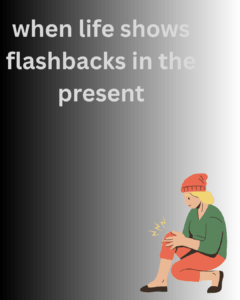
27. When Life Shows Flashbacks in the Present

When Life Shows Flashbacks in the Present

There are moments when we pause and realize—this has happened before.
The same argument, the same disappointment, the same tears. It’s like life presses the replay button, showing us a scene from the past all over again. These life flashbacks aren’t just coincidences; they’re emotional mirrors reflecting the lessons we haven’t yet learned or healed from.

https://mysticalmomworld.com/how-i-learned-to-let-go-of-people-who-no-longer-value-me/

Understanding Why Life Repeats the Same Pain

When life shows flashbacks in the present, it’s not trying to hurt you again—it’s trying to awaken you. Every repeated pattern, whether it’s a relationship argument, a professional struggle, or a personal insecurity, comes back with a deeper message.

We often mistake repetition as punishment. In truth, it’s an invitation to heal.
Until we heal the wound, we keep attracting similar people, similar circumstances, and similar emotions. The universe has its unique way of saying, “You’ve seen this before, now will you choose differently?”

Recognizing Emotional Flashbacks in Daily Life

Emotional flashbacks aren’t always dramatic. They can be subtle, hidden in our everyday reactions. For instance:

  • You overreact to small criticism because it triggers childhood rejection.

  • You avoid expressing feelings because, in the past, you weren’t heard.

  • You feel anxious when someone walks away, recalling old abandonment.

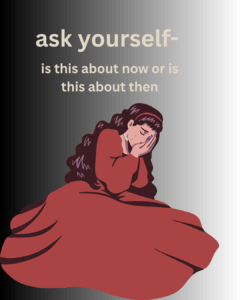
When these flashbacks hit, they can transport us emotionally to a different time, even if physically we are in the present moment. The key is to pause and observe. Ask yourself — Is this about now, or is this about then?

The Science Behind Repeated Emotional Patterns

Our brain works like a recording device. Whenever we experience deep emotional pain, it creates neural pathways that hold onto that feeling. If we don’t consciously rewire those thoughts, our mind will replay them automatically in similar situations.

That’s why, even when life changes, the emotional movie stays the same.
Healing begins when we stop reacting and start observing. It’s not about forgetting the past; it’s about changing our relationship with it.

Breaking Free from the Cycle of Pain

When life shows flashbacks in the present, breaking the cycle requires three steps:
awareness, acceptance, and conscious response.

1. Awareness – Notice the Pattern

Before you can change it, you must notice it. Each time a painful situation repeats, write it down. What triggered it? What emotion surfaced? Which past memory does it remind you of?

Awareness turns confusion into clarity.

2. Acceptance – Stop Resisting the Lesson

We can’t heal what we refuse to feel. Accept that this life flashback is part of your growth process. Instead of asking “Why me?” ask “What is this teaching me?”
Acceptance opens the door to wisdom.

3. Conscious Response – Choose Differently

The next time the same fight or disappointment happens, respond with mindfulness.
If you used to react with anger, try calm communication.
If you used to withdraw, try expressing yourself.
Each time you respond differently, you rewrite your emotional story.

How to Heal Emotional Flashbacks

Practice Mindful Breathing

When you feel your body tense up, take deep breaths. Ground yourself in the present moment. Say to yourself, “This is not then. This is now.”

Journal Your Feelings

Writing is a form of release. Note down every trigger, emotion, and thought. Over time, you’ll see a pattern—and that’s your healing map.

Forgive Yourself and Others

Holding onto resentment keeps the flashbacks alive. Forgiveness isn’t about forgetting; it’s about freeing your heart.
You deserve peace more than you deserve to be right.

Seek Solitude, Not Isolation

Spend time in quiet reflection. Nature, meditation, or simply sitting with a cup of tea can bring immense clarity. Solitude helps you reconnect with your true self.

When Relationships Mirror the Past

Often, the people we attract mirror unhealed wounds.
A controlling partner might remind you of a strict parent.
A distant friend might reflect your fear of abandonment.
When life shows flashbacks through people, it’s guiding you to close emotional loops.

Instead of blaming others, see them as teachers. The moment you stop reacting and start understanding, the pattern begins to dissolve.

Turning Flashbacks into Strength

Every time life shows flashbacks, you’re being given a second chance—not to change the past, but to change how you respond to it now.

These repetitions are proof that you’ve survived before and can survive again.
They show your resilience, your endurance, and your spirit.
Instead of asking, “Why does this keep happening?” ask, “What strength am I being called to build?”

Affirmations to Overcome Life Flashbacks

Repeat these daily to train your mind toward peace:

  • I release the pain of my past and welcome healing energy.

  • I am safe in this present moment.

  • I choose peace over reaction.

  • I learn, grow, and rise every time life tests me.

  • My past no longer defines my present.

Embracing the Present Moment

When life shows flashbacks in the present, remember—it’s not to haunt you, but to help you heal.
Each repetition is a step closer to emotional freedom.
Each argument is a chance to communicate better.
Each heartbreak is a reminder to love yourself deeper.

Healing isn’t linear. Some days, you’ll feel you’ve moved on, and other days, you’ll find yourself back in the same pain. That’s okay. Healing means progress, not perfection.

26. A Mother’s Strength: How I Survived My Hardest Days Alone

https://mysticalmomworld.com/15-how-education-empowers-women-and-earns-them-respect-at-their-in-laws-home/

A Mother’s Strength:  Hoe I Survived My Hardest Days Alone

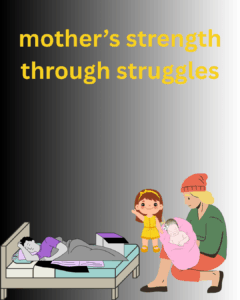
There are moments in life when everything you once believed about yourself — your strength, your limits, your patience — gets tested beyond imagination. I never thought I’d discover my mother’s strength during those unbearable days.

 I never thought I’d live through days where even breathing felt heavy, where tears became my silent language, and where hope seemed like a distant luxury. But I did. And today, as I write this, I realize that sometimes life breaks you only to show you how unbreakable you truly are.

https://www.facebook.com/groups/davidattenboroughfanss/posts/4166123566992119/

The Day Life Changed Forever

It all began when fate decided to turn my world upside down. My husband met with a terrible accident — a broken thigh bone that left him completely bedridden for months. At that very moment, I had a 10-day-old baby in my arms, a tiny, fragile soul who depended on me for everything.

My elder daughter, just six years old, was trying to understand why everything around her suddenly felt so uncertain. She needed love, stability, and a mother who could hold her emotionally — but I was struggling just to stay awake and alive.

The Weight of Everything at Once

There was no one — no relative, no helping hand, no friend to check in and ask, “Are you okay?”
I had always been there for others during their dark times. I stood beside people when they needed someone. But when it was my turn, there was no one. That loneliness was more painful than any physical exhaustion.

I worked 24 hours a day — not because I wanted to, but because I had to. My clinic was the only source of income for the family. So, while my husband lay recovering and the baby needed feeding every few hours, I found myself switching between being a mother, a doctor, a wife, a teacher, a cook, a cleaner, and sometimes, just a broken soul trying to survive one more day.

Sleepless Nights and Endless Days

Every night was the same: feed the baby, check on my husband’s pain, make sure my elder daughter was sleeping peacefully, and then get ready for another long day ahead. There were moments I would sit in the corner of the clinic after everyone slept and just cry — quietly, endlessly. The silence of the night knew my pain better than anyone else.

The days blurred into each other. There was no rest, no break, no one to share even a cup of tea with. I learned to hide my pain behind a tired smile because that’s what mothers do. We smile through storms, we nurture through pain, and we keep walking — even when our feet bleed.

A Mother’s Promise

I promised myself one thing: “No matter how hard it gets, my children will never feel the emptiness I feel.”
So, I pushed myself harder. I taught my daughter her homework after midnight when I returned from work. I cooked for my family even when my hands trembled with fatigue. I smiled at patients at the clinic, gave them comfort, while I was breaking inside. But every single time I looked at my baby’s face or saw my elder daughter hugging me tight, something divine whispered inside me, “Keep going… you are doing it.”

The Invisible Battle

People see strength in others and think it’s natural. But strength is born out of suffering. My mind was constantly fighting fear — what if something happens to my husband? What if I fall sick? What if I fail to provide for my children? These thoughts haunted me every night.

But somehow, I still woke up every morning, wore my courage like armor, and showed up again. Because life doesn’t pause for your pain. It continues to demand more from you, and you either break down or rise up. I chose to rise — even when I was broken.

The Healing Phase

Time healed my husband’s leg, but it also healed parts of me I didn’t know existed. The woman who once cried helplessly became the woman who could handle anything. I started to find strength in my silence, purpose in my pain, and courage in my struggles.

There was no magic, no savior. Just me — standing tall against the storm. Every wound became a lesson, every tear a silent prayer, and every challenge a chapter of growth.

What I Learned from Those Dark Days

  1. You are stronger than you think.
    We never realize our power until life leaves us with no choice but to fight.

  2. Don’t expect others to understand your pain.
    Some journeys are meant to be walked alone — not as punishment, but as transformation.

  3. Faith is the only thing that keeps you breathing.
    When everything crumbles, hold on to faith — in God, in the universe, and in yourself.

  4. Motherhood is not just love; it’s endurance.
    It’s waking up tired but still smiling, giving even when you’re empty, and believing even when you’re breaking.

  5. Your scars tell your story.
    Don’t hide them. They’re proof that you fought, survived, and rebuilt yourself.

Looking Back with Gratitude

Today, when I look back, I don’t cry anymore. I smile — not because it was easy, but because I made it through. I built my family back, brick by brick, with love, tears, and unshakable determination. My daughters saw a mother who never gave up, and that’s the legacy I wanted to leave behind — not perfection, but perseverance.

I’ve learned that sometimes, God doesn’t send help because He wants you to discover the warrior within you. Every trial, every sleepless night, every heartbreak was shaping me into the woman I am today — a woman who no longer fears storms, because she has already survived the worst one.

Conclusion

Life may lead you to places you never thought you’d go. It may test your strength until you think you have nothing left to give. But in those moments, remember — the darkest nights often create the brightest souls.

If you are reading this and fighting your own battle, know this: You are not alone. You are not weak. You are just in the making of your strongest self.

Hold on. One day, you’ll look back and thank yourself for not giving up — just like I did.

18.How I Learned to Let Go of People Who No Longer Value Me

How I Learned to Let Go of People Who No Longer Value Mehttps://mysticalmomworld.com/when-everything-feels-messed-up-mothers-sy/

There comes a point in every soul’s journey when silence speaks louder than words, when absence feels more peaceful than forced presence, and when letting go becomes the only way to love yourself again.

For the longest time, I believed love, loyalty, and patience could heal every broken bond. I believed if I just tried harder — explained better, forgave faster, smiled more — the people I loved would value me the same way I valued them.
But life, in its mysterious wisdom, had other plans.

The Subtle Shift I Ignored

It didn’t happen overnight. The shift was slow, almost unnoticeable.
The phone calls became shorter, texts became rarer, and their presence felt heavier than their absence. I convinced myself they were busy, just tired, or going through something. I didn’t want to admit the truth — that I was the only one holding the threads of a bond that had already unraveled.

Every time I reached out, I could feel my energy being drained — like pouring love into a bottomless cup. Still, I stayed.
Because walking away felt like betrayal. Because I was raised to never give up on people. Because I thought love meant enduring, even when it hurt.

The Breaking Point

One evening, I sat in my quiet room after yet another conversation that left me feeling small. My heart was heavy, but not from anger — it was from exhaustion. I realized I had become a shadow in someone else’s life, existing only when thePersonal Growthy needed me, disappearing when they didn’t.

It was in that silence I asked myself, “What am I holding onto?”

The answer came not from my mind but from somewhere deep — “You are holding onto the idea of what they once were, not who they have become.”

And that hit me hard.

The Spiritual Awakening


That night, I did something I hadn’t done in years — I prayed not for them to come back, but for strength to release them with love. I sat in front of my small home altar, lit a candle, and whispered,
“Dear Universe, if they are not meant to stay, give me peace to let them go.”

In that sacred silence, I felt a strange calm. Not the kind that comes from logic, but from acceptance.
It was as if my soul finally exhaled after holding its breath for too long.

Letting go wasn’t rejection. It was redirection.
The Divine was gently guiding me away from what no longer served my growth.

Learning to Heal

The days that followed were difficult. Every memory stung like salt on an open wound. I missed them — not just their presence, but the version of me I used to be around them. I cried, I journaled, I prayed. I stopped checking my phone every few minutes hoping they’d text.

Slowly, I began to fill my days with small rituals of self-love.
Morning walks under the sky, where I’d whisper affirmations:
“I am worthy.”
“I am enough.”
“I release with love all that drains me.”

I realized healing isn’t about forgetting; it’s about remembering yourself again — the version that existed before you believed you had to earn love.

The Universe Sends What We Need

Weeks later, new people started entering my life — kind souls who listened, who appreciated, who mirrored the same respect I once begged for. It was then I understood that when we hold onto people who don’t value us, we block the space meant for those who will.

It’s as if the Universe waits patiently for us to release what’s heavy, so it can place blessings in our empty hands.

I learned that not everyone who leaves your life is meant to stay forever. Some are lessons, others are mirrors, and a few are blessings in disguise — sent only to awaken your strength.

 Finding Peace in Detachment

One day, I came across a quote that read:

“Letting go is not losing them, it’s finding yourself.”

That became my mantra.

I stopped chasing closure, because closure isn’t found in their explanations — it’s found in our acceptance.
I stopped replaying conversations in my head, trying to understand where I went wrong.
Sometimes, nothing went wrong. Sometimes, people simply grow in different directions.

I began to see detachment not as coldness, but as compassion — for both them and myself. Because true love doesn’t chain; it frees.

Gratitude for the Goodbye

Today, when I think of those I had to let go, my heart no longer aches; it bows in gratitude.
Because they taught me my greatest lesson — self-worth is not something others give you; it’s something you remember within.

Letting go didn’t make me lonely. It made me peaceful.
It made me trust the timing of life, the rhythm of endings and beginnings.
And most importantly, it made me fall in love — not with someone else, but with my own soul.

Closing Reflection

If you are reading this and holding onto someone who no longer values you, please know:
You are not weak for walking away.
You are not heartless for choosing peace.
You are not alone in your healing.

You are simply remembering your divine worth — the light within you that deserves to shine freely, without the shadow of neglect.

And when you let go with love, the Universe always replaces your loss with something sacred — a deeper connection with yourself.

So, breathe. Release. Trust.
The right souls will always find their way back — and the wrong ones will gently fade into lessons that shaped your beautiful strength.

17. The Day I Learned to Forgive Myself

The Day I Learned to Forgive Myselfhttps://mysticalmomworld.com/the-power-of-saying-sorry/

The Day I Learned to Forgive Myself


The Weight of Unspoken Guilt

There are wounds that no one see – the ones we carry silently in our hearts.

For years, I thought being strong meant never making mistakes, never breaking down, never falling those I loved.

But in trying to be perfect, I forgot how to be kind to myself.

Forgiving others always felt easier than forgiving me. I could accept their flaws, their wrongs, and their apologies – but when it came to my own, I held on like punishment was the only way to feel “good enough” again.

It took me years and one unforgettable morning to realize: healing begins the moment you forgive yourself.

The Moment That Broke Me

It wasn’t a dramatic moment – no loud fights, no tears in public. It was an ordinary day that began like any other. My elder daughter had forgotten her school project at home, and I lost my patience. I scolded her sharply.

The moment her eyes filled with tears my heart shattered.

As she quietly picked up her bag and left for school, I felt a wave of guilt I couldn’t explain. It wasn’t just about that morning – it was about all the times I’d been too hard on myself, and in turn, too hard on others.

When she returned, I hugged her and apologized. She smiled and said softly,

“It’s okay, Maa. You’re always trying your best.”

That one line melted something deep inside me.

The Realization That Changed Everything

That evening, as I sat alone, I realized I’d been living with an invisible rule – “You’re only worthy if you never fail.”

But motherhood, womanhood, life – none of it comes with perfection. We stumble. We speak harshly when we’re tired. We forgot ourselves while taking care of everyone else.

The realization that hit me like a gentle truth:

“If I can forgive others so easily, why can’t forgive myself with the same compassion?”

Forgiveness isn’t saying what happened was okay – it’s saying I choose peace over pain.

That night, I stood before the mirror, looked into my own tired eyes, and whispered,

“I forgive you. You did your best with what you knew.”

It felt strange at first….then freeing.

Healing Through Acceptance

The next few days, I began practicing self-forgiveness as a daily ritual. Every morning, instead of rushing into guilt or endless tasks, I paused. I placed my hand on my heart and repeated:

“I am learning. I am healing. I am enough.”

Forgiveness turned out to be less about words and more about energy. I stopped criticizing my reflection. I stopped comparing my journey to others. I started writing letters – to myself – for every version of me that felt unworthy.

Sometimes I’d end them with:

“Dear Me, I see your effort. I love your courage.”

And slowly, I noticed small shifts – better sleep, softer tone with my kids, calm reactions, lighter heart.

Healing didn’t happen overnight, but forgiveness made it possible.

The Hidden Power of Self-Forgiveness

Here’s what I’ve learned from that day:

  1. Forgiveness Doesn’t Erase the Past – It Rewrites Its Meaning.

You can’t change what happened, but you can choose how it defines you. The past becomes a teacher, not a burden.

2. Self-Forgiveness Restores Your Confidence.

When you forgive yourself, guilt loses its control. You start trusting your choices again.

3. Forgiveness Attracts Peaceful Relationships.

When your heart softens toward yourself, it automatically softens toward others. You stop expecting perfection and start embracing love.

4. It’s an Ongoing Journey, Not a One-Time Event.

There will still be days you fall short. On those days, remember – healing isn’t linear.

What matters is you no longer turn your pain into punishment.

A Gentle Practice You Can Try

If you’ve been carrying guilt, here’s a simple 5-minute ritual that truly helped me:

  1. Find a quiet space.

Sit comfortably and close your eyes.

2. Place your hand over your heart.

Feel your heartbeat – proof that life still believes in you.

3. Breathe in forgiveness.

Say softly: “I forgive myself for not knowing better then.”

4. Breathe out guilt.

Exhale the heaviness, the shame, the regret.

5. End with gratitude. Whisper:

“Thank you for giving me another chance to grow.”


Do this daily for a week. You’ll feel a soft calm spreading – not from the outside, but from within.


A Reflection for You

Forgiveness is not weakness. It’s emotional maturity.

It’s saying. “I deserve peace too.”

When you forgive yourself, you stop waiting for external validation. You stop replaying what went wrong and begin celebrating what’s still right.

The universe doesn’t hold your mistakes against you – it uses them to polish your soul.

So today, before you go to bed, place your hand on your heart and say,

“I forgive you. You are still worthy. You always were.”

And feel the weight lift – slowly, beautifully, completely.

https://greatergood.berkeley.edu/topic/self_compassion