
83. When Emotions Burst Out: Understanding Why We Lose Control Sometimes

When Emotions Burst Out: Understanding Why We Lose Control Sometimes
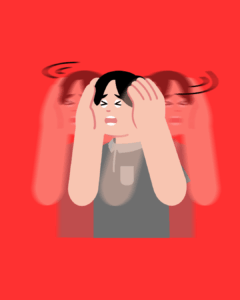
There are days when the smallest thing can break us. One moment we are holding everything together, and the next moment our emotions burst out like a dam giving way after years of pressure. Many people feel ashamed when they lose control over their emotions, but the truth is simple: it happens to everyone, especially to the ones who carry too much silently.

Yesterday was one of those days for me. I felt something inside me snap — not in a dramatic way, but in a very human way. My eyes filled up, my chest tightened, and I couldn’t hold it anymore. I let go. I burst out. And the first question that came to my mind was: Why? Why did I lose control? What exactly triggered me?

Sometimes the reasons are not one single thing. Sometimes it is a whole collection of unspoken emotions, unexpressed exhaustion, hormonal fluctuations, expectations, responsibilities, relationships, and even natural cycles like the new moon energy. When all of these layers pile up, it is only natural for a person to feel overwhelmed.

Let’s break down what might actually cause such emotional outbursts and how completely normal it is to experience them.

1. PMS and Emotional Sensitivity

For many women, PMS (Premenstrual Syndrome) is not just a physical experience. It affects emotions, thoughts, reactions, and sensitivity levels.
Hormonal changes can cause:

  • sudden sadness

  • irritability

  • emotional flooding

  • feeling unappreciated

  • feeling disconnected

  • unexplained anger or tears

During PMS, the emotional tolerance tank becomes very small. Something that feels manageable on any other day might feel like a storm during this time. Losing control over emotions is a very real and very common PMS symptom.

And no — it doesn’t mean you’re overreacting. It means your body is going through a chemical shift that impacts your emotional strength.

2. Tired Schedules and Emotional Burnout

Sometimes, the reason we break down has nothing to do with hormones. It has everything to do with exhaustion.

We carry so many roles — parent, partner, daughter-in-law, professional, caretaker, homemaker, emotional support system for everyone around us. When life becomes a tight schedule with no pause, no space, and no time to breathe, emotional burnout becomes inevitable.

You might think you’re strong enough to handle it all, but your body knows better. Your emotions know better. When the body and mind reach their limit, they release the emotions you’ve been suppressing.

Because tears are not a weakness.
They are an overflow.

Burnout is real, and emotional outbursts are often a sign that you have been running on empty for too long.

3. Emotional Stress from Relationships and Joint Family Dynamics

Joint families are beautiful — but they also come with responsibilities, expectations, opinions, and emotional pressures.

Sometimes you feel judged.
Sometimes you feel misunderstood.
Sometimes you feel invisible.
Sometimes you feel too seen.

There is always something happening around you, and you rarely get a quiet emotional space to understand your own feelings. When you constantly adjust, compromise, smile, and stay strong in front of everyone, the emotional load silently keeps increasing.

Small moments that normally wouldn’t bother you can feel huge when you’re already carrying old hurt, unresolved stress, or unspoken pain. Emotional outbursts in such situations are not unusual; they are a sign of emotional overload.

4. The New Moon’s Emotional Effect

Many people notice that their emotions peak during the new moon. Though science is still exploring the connection, countless individuals report feeling:

  • unusually emotional

  • introspective

  • drained

  • mentally sensitive

  • anxious or overwhelmed

The new moon often brings inner emotional cleansing. It is a period where hidden thoughts and suppressed feelings rise to the surface. So yes, if you felt unusually emotional, the new moon phase might have contributed to your outburst.

Sometimes nature works with us and sometimes against us. And that’s okay.

5. When Everything Comes Together at Once

Most emotional outbursts don’t come from one problem.
They come from many things piling up silently.

Imagine holding ten bags at once.
Each bag alone is manageable.
But when all ten stack together, anyone would collapse.

Your emotional outburst might have happened because:

  • PMS lowered your emotional threshold

  • A tired schedule made you mentally exhausted

  • Joint family dynamics added emotional weight

  • Relationship stress increased your sensitivity

  • New moon energy intensified your emotions

When so many layers combine, losing control isn’t surprising — it’s normal.

6. You Are Not Weak. You Are Human.

The world teaches us how to be strong, but it never teaches us how to break.
But breaking is a part of being human.

Your emotional outburst was not a failure.
It was not a sign of weakness.
It was not something to feel guilty about.

It was your mind’s way of saying:
“You’ve been holding too much. Let me help you release some of it.”

Emotions need expression. Tears are cleansing.
If you burst out, it means your system trusted you enough to let everything out.

7. What You Can Do After an Emotional Breakdown

1. Acknowledge it without guilt

Say to yourself: I had a moment. That’s okay.

2. Identify what triggered you

Not to blame yourself, but to understand your emotional patterns.

3. Rest

Your body and mind need recovery after emotional overflow.

4. Reduce your load

Even small changes can help — say no when needed, ask for help, take breaks.

5. Talk to someone safe

Sharing feelings lightens emotional pressure.

6. Ground yourself

A walk, a bath, meditation, journaling — anything that brings you back to yourself.

Final Thought: It’s Okay to Feel Too Much

Losing control over emotions does not make you unstable.
It makes you emotionally alive.

Whether it was PMS, exhaustion, emotional stress, joint family issues, or the new moon — what matters is that you survived the moment, and today you’re reflecting on it with clarity.

Be gentle with yourself.
Your emotions are valid.
Your journey is real.
And you’re doing better than you think.

https://mysticalmomworld.com/when-life-takes-unexpected-turns-staying-strong-when-everything-feels-uncertain/

77. Why Your Mind Feels Full Even When You Haven’t Done Anything

Why Your Mind Feels Full Even When You Haven’t Done Anything

The Strange Feeling of Being Mentally Exhausted

Have you ever woken up, looked at the clock, and suddenly realized you haven’t done anything meaningful yet—but your mind already feels full?

You feel tired, irritated, unfocused, and emotionally drained.
You keep asking yourself, “Why am I feeling like this? I haven’t even started my day properly.”

This is more common today than ever before.
Your mind is working nonstop even on days when your body isn’t.

Let’s break down why your mind feels full and how you can clear that invisible mental weight.

1. The Mind Is Working Even When the Body Isn’t

Most people think rest means sitting down or not doing physical work. But your mind doesn’t stop. It keeps processing:

  • worries

  • responsibilities

  • fears

  • guilt

  • unfinished tasks

  • emotional stress

This invisible work makes your mind feel full, even when the day hasn’t been hectic.

2. The Pressure of Constant Decision-Making

Your brain makes thousands of micro-decisions every day:

  • What to cook?

  • When to clean?

  • What time to pick kids?

  • How to manage money?

  • What to prioritize first?

This is called decision fatigue, and it’s one of the biggest reasons your mind feels crowded and heavy.

Not doing “big tasks” doesn’t matter—your brain is still burning energy deciding everything else.

3. Emotional Work Takes More Energy Than Physical Work

People underestimate emotional load. But managing emotions—your own and others’—is draining.

Emotional work includes:

  • calming kids

  • handling family expectations

  • managing conflicts

  • suppressing feelings

  • staying patient

  • being the support system for everyone

You might not run a marathon…
but inside, your heart and brain are running nonstop.

No wonder your mind feels full.

4. The Pressure to Be Available 24/7

Today’s lifestyle demands that you must always be reachable, responsible, and ready.

As a parent, partner, or homemaker, you’re constantly on alert:

  • “Did I forget something?”

  • “What if someone needs me?”

  • “Did I upset anyone?”

  • “Did I finish all tasks?”

This keeps your mind in fight-or-flight mode, draining your energy even while you’re sitting still.

5. Carrying Yesterday’s Stress Into Today

Sometimes, your mind isn’t tired from today.
It’s tired from yesterday, last week, or even months of stress you never released.

Unprocessed emotional baggage piles up like clutter:

  • old arguments

  • unresolved problems

  • past trauma

  • self-criticism

  • disappointments

  • fear of the future

Even when you’re resting, your mind is replaying everything.

This creates mental clutter, making your mind feel full even before the day begins.

6. Too Many Open Tabs in the Brain (Just Like a Phone)

Think of your mind as a smartphone with too many apps running in the background.

Even if you’re not actively “using” them, they drain the battery.

You might be thinking about:

  • finances

  • kids’ future

  • work pressure

  • managing home

  • goals

  • relationships

  • self-doubt

All these tabs stay open. No wonder your mind gets overloaded.

7. You’ve Forgotten How to Pause

Today we don’t allow ourselves:

  • silence

  • slow mornings

  • lazy afternoons

  • saying “no”

  • doing nothing without guilt

Your body is sitting, but your mind is sprinting.

A real pause isn’t just stopping the body—it is calming the brain.

Most people haven’t done that in years.

8. You Are Caring for Everyone Except Yourself

If you’ve been functioning for a long time without emotional rest, your mind becomes like a container with no space left.

You give, give, give… and forget to refill.

Signs you need mental rest:

  • irritability for no reason

  • feeling heavy inside

  • forgetting things

  • losing focus

  • waking up tired

  • feeling emotionally numb

  • crying without a trigger

These are clear signals that your mind feels full from emotional imbalance.

9. The World Is Too Loud for a Sensitive Mind

Noise isn’t only sound.
Noise is:

  • people’s expectations

  • social media pressure

  • negative people

  • chaotic environments

  • constant comparison

For a sensitive person, this “noise” becomes too much.

Even a normal day feels overwhelming.

10. How to Empty Your Mind and Create Mental Space

Here’s how to release mental clutter:

1. Offload thoughts on paper (brain dump)

Write everything that’s in your mind.
This immediately reduces clutter.

2. Finish one small task at a time

Not multitasking frees mental energy.

3. Take micro-breaks

2 minutes of slow breathing works wonders.

4. Do one thing daily only for yourself

It resets your emotional system.

5. Practice the “3-Item Rule”

Only focus on completing 3 things a day. Not 30.

6. Limit emotional labour

Stop absorbing everyone’s emotions.

7. Give your mind silence

Even 5 minutes of complete quiet resets your mind.

Conclusion: Your Mind Is Not Weak—It’s Overworked

If your mind feels full even when you haven’t done anything, it means you’re carrying invisible weight every single day.

You’re not lazy.
You’re not slow.
You’re not failing.

You’re simply exhausted on the inside.

Be gentle with yourself.
Your mind deserves the same rest your body gets.

https://mysticalmomworld.com/the-invisible-exhaustion-of-raising-two-kids-without-breaks/


72. How to Stay Calm When Life Feels Completely Overwhelming

How to Stay Calm When Life Feels Completely Overwhelminghttps://mysticalmomworld.com/simple-living-big-dreams-my-journey-to-becoming-my-familys-first-billionaire/

Life does not always follow the smooth road we imagine. Some days are peaceful, but many days feel like a storm we did not prepare for. When responsibilities pile up, when emotions run high, and when our mind refuses to slow down, it becomes difficult to stay calm. In fact, the biggest challenge today is learning how to stay calm when life feels overwhelming, because modern life constantly pulls us in multiple directions.

Whether you are a parent, a working professional, a student, or someone simply trying to keep things together, it is normal to feel mentally exhausted. But the good news? You can regain control. Not by changing everything in your life instantly, but by changing how you respond to the chaos.

In this blog post, let’s explore powerful, practical, and emotionally soothing ways to stay calm when life feels overwhelming, even when everything seems out of place.

1. Accept That You Are Overwhelmed (Do Not Fight It)

Most people make the first mistake—they deny how they feel. They keep pushing, acting strong, avoiding their emotions. But emotional resistance creates more pressure.

Instead, pause and say to yourself:
“I am overwhelmed, and that’s okay.”

Acceptance immediately reduces internal tension. You don’t have to have everything figured out. You don’t have to handle everything perfectly. You just need to acknowledge the truth. This is the first step towards healing.

2. Slow Everything Down (Your Breath Controls Your Mind)

When life feels too much, your nervous system goes into survival mode. Your heartbeat increases. Your mind races. You lose clarity.

The fastest way to reset your system is through controlled breathing. Just 1–2 minutes is enough.

Try this simple technique:

  • Inhale for 4 seconds

  • Hold for 2 seconds

  • Exhale slowly for 6 seconds

  • Repeat 8–10 times

This activates the parasympathetic nervous system—the part of your body that signals safety and calmness. It’s scientifically proven. And it works every single time.

3. Write Down Everything That Is Scaring or Stressing You

When your mind feels cluttered, it is because too much is trapped inside your head.

Take a notebook or your phone and write:

  • What is stressing me right now?

  • What is out of my control?

  • What can I do in the next 24 hours?

Writing creates clarity. It separates emotional fear from real, solvable problems.

You will see that not everything requires immediate action. Some things only need space and patience.

This step alone helps many people stay calm when life feels overwhelming because a clear mind is always stronger than a crowded one.

4. Break Your Life Into Tiny, Manageable Pieces

When everything is happening all at once, the pressure feels unbearable. So don’t handle everything together.

Break your day into small steps:

  • One task at a time

  • One responsibility at a time

  • One decision at a time

Ask yourself:
“What is the next small thing I can do right now?”

It could be:

  • drinking water

  • replying to one message

  • arranging your bed

  • taking a shower

  • ordering groceries

  • preparing one simple meal

Small steps create big emotional shifts.

5. Say ‘No’ Without Feeling Guilty

When life is overwhelming, boundaries become your greatest strength.

You are not responsible for pleasing everyone. You are not a machine. You are not supposed to be available 24/7. Saying no does not make you selfish—it makes you human.

Try these gentle boundary sentences:

  • “I’m currently full with tasks; I’ll get back when I can.”

  • “I would love to help, but I’m not in a position to take more right now.”

Protecting your peace is not optional. It is essential.

6. Create a Daily Calm Ritual (Even 10 Minutes)

A ritual signals your brain that everything is under control. Choose one of the following and practice it daily:

  • Warm tea in silence

  • Short meditation

  • Reading one page of a book

  • Prayer or chanting

  • Sitting near a window observing nature

  • Light stretching or yoga

  • Listening to calming music

Consistency is more important than perfection. These simple rituals help you stay grounded and stay calm when life feels overwhelming.

7. Reduce Sensory Overload (Hidden Cause of Stress)

Modern life overstimulates your brain. Notifications, noise, screens, tasks—it never ends.

Reduce overload by:

  • Keeping your phone on silent

  • Muting unnecessary WhatsApp groups

  • Cleaning one corner of your home

  • Closing multiple tabs on your device

  • Spending 5 minutes without your phone

Your mind needs breathing space to function well. Sensory rest is the medicine for mental chaos.

8. Talk to One Safe Person

Human connection is healing. Sharing your feelings with someone who listens without judgement can instantly lighten your emotional load.

Choose:

  • a friend

  • a sibling

  • a spouse

  • a mentor

  • someone who brings comfort

Sometimes, hearing “I understand” is enough to help you stay calm when life feels overwhelming.

9. Remind Yourself That This Phase Is Temporary

No emotion lasts forever. No situation remains the same. You have survived hard days before, and you will survive this too.

Tell yourself:

  • “This is temporary.”

  • “I will get through this.”

  • “I am stronger than this moment.”

Your future self will thank you for not giving up on the difficult days.

10. Choose One Act of Kindness Towards Yourself Daily

Be gentle with yourself. You deserve softness, not harshness.

Give yourself:

  • a warm bath

  • rest

  • a favorite dessert

  • a walk

  • time to breathe

  • forgiveness

You are doing your best. And that is enough.

Final Words

Staying calm when life feels overwhelming is not about having a perfect life. It’s about learning how to navigate the chaos with compassion, clarity, and inner balance.

Whenever things feel too heavy, return to these steps. You are not alone. You are capable. And you will rise again, stronger and more centered.

https://mysticalmomworld.com/small-wins-big-peace-finding-happiness-in-unnoticed-moments/