

https://mysticalmomworld.com/a-mothers-strength-journey-alone/Why Our Hearts Melt for the Ones Who Hurt Us the Most: The Emotional Science Behind Unhealed Bonds
Introduction: The Strange Tenderness Toward Pain
There are moments when life leaves us questioning our very own emotions — moments when we hear the name or see the face of someone who has deeply hurt us, and instead of anger, we feel our hearts soften. We feel that strange melting inside, the same compassion we once had before they broke us.
Why?
Why does the heart still respond with warmth toward those who caused it to bleed?
This emotional contradiction isn’t a weakness — it’s a deep reflection of how human emotions are wired. Our hearts are built to connect, not to cut off easily. And sometimes, even after being shattered, the heart remembers love before it remembers pain.
The Emotional Bond: Why It’s Hard to “Unlove”
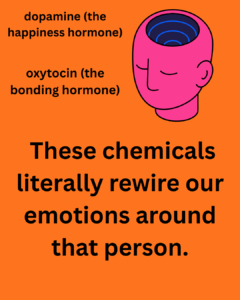
When we connect with someone — be it a parent, friend, partner, or mentor — our brains release chemicals like oxytocin (the bonding hormone) and dopamine (the happiness hormone). These chemicals literally rewire our emotions around that person.
So even when the relationship turns toxic or painful, those emotional circuits remain. The memories of comfort, affection, and safety are still stored in the brain — and the heart instinctively clings to them.
It’s not that we forget what they did.
It’s that our emotional biology was trained to see them as “home” once — and part of us still searches for that home, even in ruins.

The Human Instinct to Forgive
Humans are naturally forgiving beings. Deep within us lies the belief that love can transform pain. That maybe — if they understood, if they changed — everything would be fine again.
When we hear that someone who hurt us is struggling, ill, or broken themselves, our empathy reawakens. It’s the human heart’s way of saying:
“Even though you destroyed me, I still wish you healing.”
Forgiveness doesn’t mean acceptance of their actions; it’s an emotional reflex to release the heaviness inside us. Our hearts melt because, for a moment, compassion feels lighter than hatred.
The Emotional Ruin: When Their Decisions Cost Us Everything
Some people don’t just hurt us emotionally — they ruin chapters of our lives. Their selfish decisions might have broken our confidence, career, family, or future.
And yet, when we see them suffering, a part of us still aches for them.
Why?
Because deep down, we wish they had chosen better. Not just for us — but for themselves too.
We remember the potential of who they could have been before they became the person who hurt us.
That’s what makes the pain even deeper — it’s grief mixed with compassion.
The Mirror Effect: They Were Part of Our Identity
When we deeply love someone, their presence becomes part of our identity. Our choices, laughter, habits, even dreams — they all carry their reflection.
So when that bond breaks, we lose not just them, but a piece of ourselves.
When we hear about them again, our heart melts because it’s a reflection of our lost self too. It’s not always love for them — sometimes, it’s love for the version of us that existed when they were in our life.
Emotional Psychology: The Power of Memory and Empathy
Psychologists explain that emotional memories are stored with powerful sensory links — voice tone, smell, words, moments. So, when we hear or see something related to that person, our brain recalls both the pain and the affection, confusing us emotionally.
Empathy, too, plays a major role. Our subconscious recognizes pain in others, even if they caused ours. We feel what they feel, which makes it impossible to stay indifferent — unless we’ve completely detached emotionally (which most people never fully do).
The Strength Hidden in Softness
Many believe that melting hearts are weak. But truthfully, it’s a sign of immense emotional strength. To still have compassion after being wronged shows that pain didn’t poison your soul. It means your goodness survived.
Your tears, your softness — they don’t mean defeat.
They mean you’re human — capable of feeling deeply without turning bitter. That’s a rare strength in a world that teaches revenge faster than forgiveness.
Healing Beyond the Melting Heart
Healing doesn’t mean becoming cold. It means learning to love with boundaries. You can wish them peace without welcoming their chaos back into your life.
Here’s how to emotionally protect yourself:
-
Acknowledge your feelings: Don’t suppress that emotional melt. Accept it as part of your healing.
-
Remember the full story: Not just their good parts — recall why you had to walk away.
-
Redirect compassion inward: The love your heart gives others — give it to yourself now.
-
Forgive for freedom, not for reunion: Forgive to lighten your heart, not to reopen doors.
-
Pray for peace, not reconnection: Sometimes, blessings from afar are the most powerful closure.
Final Thoughts: Let the Heart Melt, But Don’t Let It Burn You
It’s okay to feel softness toward those who once shattered you. It doesn’t mean you want them back. It doesn’t mean you’ve forgotten the pain. It simply means your heart is pure — it knows how to feel without needing revenge.
Our hearts melt because they’re alive — and only the living hearts can feel deeply.
So, the next time your heart melts hearing their name, remind yourself:
“This is love transforming pain — not pain winning again.”
Let your compassion stay, but let your boundaries protect it. You’re allowed to be kind, even when life hasn’t been kind to you.
Conclusion
We melt for those who hurt us because emotional bonds, empathy, and forgiveness are part of human nature. It’s not weakness — it’s emotional intelligence. The key is to allow your heart to feel, but not to forget your worth. Healing is not about closing your heart, but about learning to love without losing yourself again.