

The Struggle of Being a Highly Sensitive Person in a Loud Household
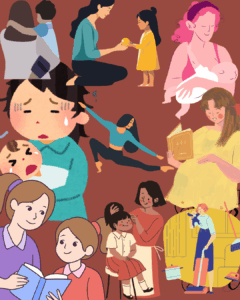

Some people can live comfortably in chaos — loud voices, nonstop movement, unexpected noises, constant interruptions, and the daily messiness of family life. But for a highly sensitive person, a loud household is not just discomfort.
It is a silent emotional battle.
Highly sensitive people feel everything more intensely — sounds, emotions, energy, conflict, and even the tone of someone’s voice. What seems “normal” or “nothing” to others can feel overwhelming, heavy, and mentally draining for them.
If you are a highly sensitive person in a loud household, you know the struggle well.
You are tired, overstimulated, misunderstood, and often blamed for simply being sensitive.
This blog is a piece of emotional comfort — to let you know that what you feel is real, valid, and more common than you think.
1. Noise Doesn’t Just Distract a Sensitive Person — It Burns Out Their Nervous System
For most people, noise is just sound.
For a highly sensitive person, noise becomes:
-
pressure
-
tension
-
mental heaviness
-
internal chaos
-
emotional fatigue
Simple sounds like:
-
TV running
-
kids yelling
-
family arguments
-
loud cooking noises
-
multiple people talking
-
doors banging
-
constant movement
can create sensory overload.
This overstimulation makes the brain feel like it’s running a marathon even while sitting still.
A loud household can turn a normal day into a day of emotional survival.
2. People Don’t Understand Why You Get Overwhelmed
One of the hardest struggles is the lack of understanding from others.
You hear things like:
-
“It’s just noise, stop overreacting.”
-
“Why do you get irritated so fast?”
-
“You’re too sensitive.”
-
“Kids are kids, you should get used to it.”
-
“You’re always complaining.”
They don’t understand that sensitivity is not a choice.
You are not irritated — you are overstimulated.
You are not complaining — you are overwhelmed.
You are not weak — you are wired differently.
A highly sensitive person in a loud household often ends up suppressing their needs just to avoid judgment.
3. Emotional Sensitivity Makes Household Conflicts Ten Times Harder
Noise is only one part of the struggle.
The emotional energy inside a loud household — arguments, misunderstandings, tension — affects sensitive people much more deeply.
You feel:
-
the shift in mood
-
the sharpness in someone’s tone
-
the unspoken anger
-
the stress everyone carries
-
the chaos inside the home
Your body absorbs emotions like a sponge.
Even a small conflict can sit in your mind for hours or days.
And this emotional overload leads to mental exhaustion.
4. The Constant Responsibility Drains Sensitive Parents Even More
If you are a parent who is highly sensitive, raising children in a loud household becomes twice as hard.
Kids are naturally noisy.
They shout, cry, fight, run, and demand attention.
A sensitive parent ends up feeling:
-
drained
-
guilty
-
overstimulated
-
helpless
-
emotionally tired
-
mentally suffocated
You love your kids deeply, but your nervous system collapses with constant noise and unpredictability.
This doesn’t make you a bad parent.
This makes you a highly sensitive parent trying your best in a loud world.
5. You Are Forced to Stay Strong Even When Your Brain Is Begging for Quiet
Highly sensitive people don’t get the luxury to “switch off.”
Even when they try to rest, the environment continues:
-
footsteps
-
banging items
-
doors opening and closing
-
phone calls
-
TV sounds
-
kids crying
-
relatives talking loudly
Your brain doesn’t get a break.
So your exhaustion becomes deeper, heavier, and more silently painful.
And because no one sees this internal struggle, you hide it.
6. The Guilt of Wanting Silence Is Real
A highly sensitive person in a loud household often carries guilt.
Guilt for needing space.
Guilt for craving silence.
Guilt for not matching the family’s energy.
Guilt for getting tired easily.
Guilt for being different.
But your need for quietness is not selfish.
It is self-preservation.
Your nervous system needs calm the way others need excitement.
7. You Try to Adjust — But It Comes with Emotional Cost
Sensitive people constantly adjust themselves:
-
lowering their expectations
-
ignoring overstimulation
-
smiling through chaos
-
pretending noise doesn’t bother them
-
softening reactions
-
suppressing emotions
-
accepting discomfort
-
absorbing extra responsibility
But adjusting every day takes a toll.
It creates emotional burnout — a silent, internal collapse.
8. You Are Not Alone — And There Are Ways to Cope
While you cannot always control the noise, you can control how you protect yourself emotionally and mentally.
Here are gentle ways to cope:
Create a quiet corner
A dedicated space where you can breathe, sit, reset.
Use earplugs or noise-cancelling headphones
Not to escape your family — but to protect your mind.
Take micro-breaks
Even 5 minutes of silence can reset your energy.
Lower self-criticism
You are not “too sensitive.” You are highly aware.
Communicate with family
Explain kindly — not defensively — how noise affects your mental energy.
Practice grounding
Deep breathing, slow walks, or quiet rituals.
Reduce overstimulation
Less screen noise, fewer overlapping activities, small changes that help.
Your sensitivity is not a weakness.
It is a unique way of experiencing the world — deeply, beautifully, intensely.
A Gentle Reminder
Being a highly sensitive person in a loud household is not easy.
You’re fighting a battle no one sees.
You carry emotions no one understands.
You absorb energy no one notices.
And you get overwhelmed in ways others never will.
But you are not broken.
You are not dramatic.
You are not fragile.
You are simply wired differently — and that wiring deserves respect, care, and quiet spaces to breathe.
You are doing your best.
And that is enough.
https://mysticalmomworld.com/how-to-stay-calm-when-life-feels-completely-overwhelming/